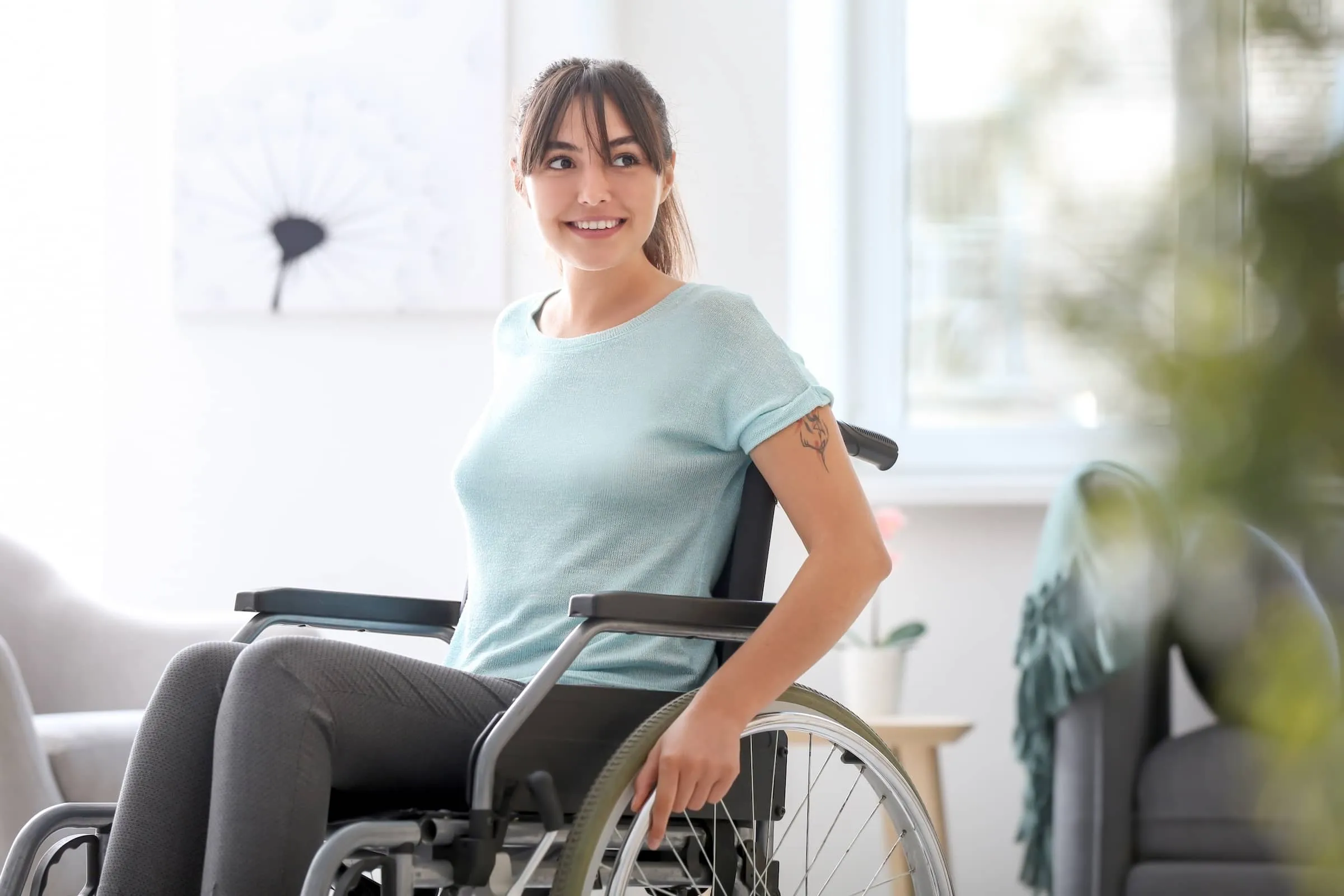
Simple changes to chairs, beds and daily routines can reduce physical effort at home and help people with mobility issues stay independent.
Home adaptations for mobility issues rarely sound glamorous, which is rather the point. Independence at home is often determined not by grand architectural interventions but by decidedly ordinary moments: getting out of a chair without fighting your knees, finding a comfortable position in bed or reaching the afternoon without having spent half the day’s energy simply moving around the house.
An estimated 16.8 million people in the UK live with a disability or long-term health condition, equivalent to around a quarter of the population. Among pension-age adults, mobility impairment is the most common reported difficulty, affecting 40%.
Those figures are large. The practical problems behind them tend to be much smaller — and considerably more personal.
Independence is often lost in inches, not miles
Reduced mobility is easy to imagine as an inability to walk far. At home, the more revealing measure may be a movement of only a few inches.
Standing from a low chair requires strength through the legs and lower back. Getting into bed asks for balance, positioning and another controlled transfer of weight. Swollen joints can turn sitting comfortably into an irritating negotiation with one’s own body.
Fatigue, breathing difficulties and poor stamina complicate matters further. A person may technically be capable of completing a household task yet find that doing so consumes an unreasonable proportion of the energy available for the rest of the day.
Leighton Roberts, managing director of Grosvenor Mobility, argues that preserving independence begins with recognising those apparently minor demands.
“Living with a long-term condition or mobility challenge doesn’t mean having to sacrifice comfort or independence at home. For some, everyday movements like standing up safely from a chair, getting in and out of bed, or easing pressure on swollen joints can become significant hurdles.
“Understanding these challenges allows us to look at how small, practical adaptations can make a lasting difference. A supportive home environment helps maintain confidence, reduces physical exertion and gives people the freedom to enjoy their life with greater ease.”
The important word there is practical. A home does not need to resemble a treatment room to become easier to live in.
Start with the sit-to-stand problem
A chair is just a chair until getting out of it becomes the hardest part of the afternoon.
Riser recliner chairs are designed to address that transition precisely. By raising the seated position, they can reduce the amount of effort required to reach standing and lessen the load placed on the knees, hips and lower back.
For somebody repeatedly struggling to push themselves upright, that is more useful than another decorative cushion, however enthusiastically it matches the curtains.
The broader principle is to identify movements that demand disproportionate effort. If the same action causes difficulty several times a day, changing the furniture or its positioning may remove that problem repeatedly rather than merely making it slightly more tolerable.
Circulation, swelling and the value of putting your feet up
Leg elevation can also form part of a more supportive seating position.
Roberts recommends raising the legs above heart level to help circulation and relieve discomfort associated with swelling or fluid retention. A recliner can make that position easier to achieve without requiring somebody to rearrange half the living room each evening.
Individual health conditions differ, of course, and furniture cannot diagnose or treat the underlying cause of swelling. Its useful role is simpler: helping somebody reach and maintain a comfortable position with less physical effort.
That distinction matters. Good mobility equipment should remove unnecessary work from daily life, not acquire miraculous properties somewhere between the showroom and the sofa.
Spend energy where it counts
For people living with chronic fatigue, respiratory problems or limited stamina, independence is partly an exercise in energy budgeting.
Every unnecessary bend, lift or difficult transfer has a cost. Once enough of those small demands accumulate, routine domestic life can become surprisingly exhausting.
That makes energy conservation a useful test for any home adaptation. Does the change reduce repeated effort? Does it allow a task to be completed more comfortably? Does it leave more energy available for something the person actually wants to do?
The most effective adjustments are often those noticed least once installed. They simply remove friction from the day.
Sleep is part of mobility, not a separate department
Night-time comfort has consequences well beyond the bedroom.
Adjustable beds allow the position of the upper body and legs to be altered without requiring repeated manual repositioning. That can make it easier to find a posture that reduces pressure on stiff or uncomfortable joints.
Grosvenor Mobility also points to raised sleeping positions as potentially helpful for opening the airways and finding a more comfortable resting posture. The useful feature here is adjustability rather than any promise of perfect sleep. Few pieces of furniture are quite that talented.
For somebody who struggles to get into bed, settle comfortably and get back out again, however, reducing those physical demands can have an obvious effect on everyday confidence.
The best adaptation removes a recurring obstacle
Independent living is rarely preserved by one heroic purchase. More often, it comes from noticing where daily life has begun to demand too much effort and removing those demands one by one.
That might mean a chair that assists somebody to stand, a position that makes leg elevation easier, a bed that adjusts rather than requiring its occupant to do all the adjusting, or simply arranging routines so precious energy is not wasted on avoidable exertion.
With millions of people across the UK managing disability or long-term health conditions, accessible living is hardly a niche concern. Nor is it merely about safety. Comfort, confidence and the ability to decide how one’s own day is spent matter just as much.
Sometimes independence is protected not by doing more, but by making the ordinary things ask less of you.