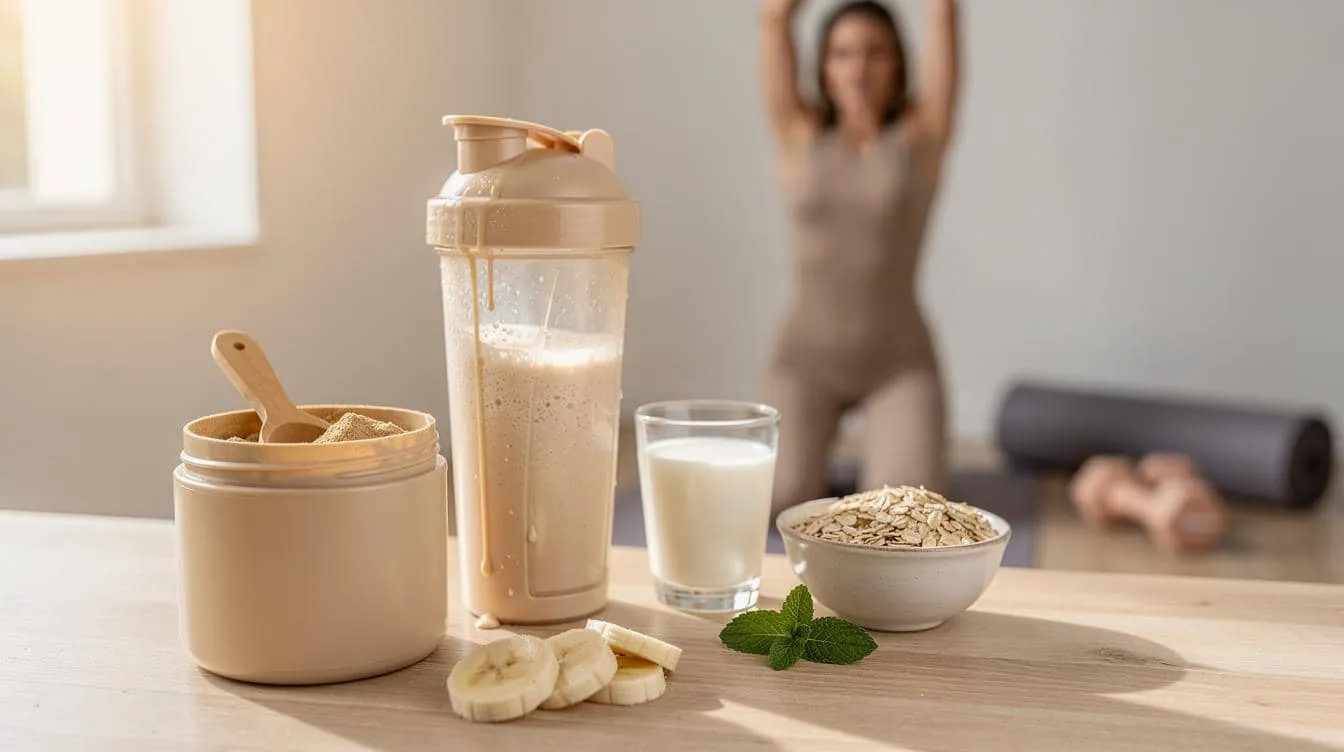
How Greenwhey Protein reflects the shift towards organic, traceable whey and cleaner sports nutrition for active everyday consumers.
Greenwhey Protein sits inside one of the more sensible shifts in modern sports nutrition: a move away from thunderous tub-label promises and towards protein powder that active consumers can understand before their coffee goes cold. On greenwhey.com, the brand leans into organic French milk, traceability and the growing appetite for cleaner whey protein with fewer mysteries in the mix.
There was a time when whey powder lived in the darker corner of the gym bag, somewhere between a leaking shaker and a banana that had quietly given up on life. It was sold largely on muscle, speed and recovery. Bigger numbers. Faster absorption. Louder claims. The language made post-workout nutrition sound less like food and more like a pit stop at Le Mans.
Now the category is changing.
Athletes and active consumers still care about performance, of course. Nobody finishes a hard session hoping their recovery will proceed with the urgency of a council planning application. But the questions have become sharper:
- Where does the protein come from?
- How is it made?
- What else has been added?
- And why, exactly, does a drink intended for health require an ingredients list with the emotional range of an A-level chemistry paper?
That is where brands such as Greenwhey have found room to speak.
The New Demands Of Sports Nutrition
Whey protein, derived from milk, remains one of the most familiar supplements in sport and fitness. It is widely used because it offers a convenient source of protein, which contributes to the growth and maintenance of muscle mass when consumed as part of a balanced diet and training routine.
Convenience, though, no longer carries the whole argument.
Gym-goers, runners, cyclists, CrossFit regulars and busy professionals are reading labels with the concentration of a tax inspector. They want to know whether the milk is traceable, whether the farming is organic, whether the ingredient list resembles food rather than a laboratory inventory, and whether the product fits into a routine built around health rather than hype.
Greenwhey Protein sits squarely in that discussion. The brand positions itself around French organic milk, traceability and a shorter ingredient list, aiming at consumers who want protein powder without the usual cloud of artificial sweeteners, unnecessary additives or vague sourcing claims.
That does not make it miraculous. It makes it timely.
From Muscle Fuel To Everyday Habit
The rise of cleaner sports nutrition says as much about culture as it does about protein.
A decade ago, many supplement brands spoke primarily to bodybuilders and high-performance athletes. Today, the audience is much broader. A whey protein user might be training for a marathon, lifting twice a week, recovering from a lunch-hour class, or simply trying to build a breakfast that does not leave them eyeing the biscuit tin by 10.37 am.
Protein powder has become less of a niche performance product and more of a practical food-adjacent habit. It goes into smoothies, porridge, pancakes, yoghurt bowls and snacks. The shaker is still there, naturally, rattling away like a small cement mixer, but it is no longer the whole story.
Greenwhey’s relevance lies in that shift. It is not just part of the old gym-supplement world. It belongs to a wider movement trying to make protein feel compatible with everyday wellbeing, ingredient awareness and environmental concern.
That distinction matters. Cleaner sports nutrition is not simply about removing a few awkward extras from the label. It is about changing the tone of the category altogether.
Why Traceability Has Become A Serious Issue
One of the most important changes in sports nutrition is the demand for traceability.
Consumers are more sceptical now, and rightly so. “Premium” is a word that has been sprayed around the supplement aisle with the enthusiasm of cheap aftershave. Organic, natural, clean and sustainable are useful terms only when they are backed by specific details.
In Greenwhey’s case, the brand’s core message centres on milk sourced from organic French farms, certified organic production and a focus on avoiding preservatives, GMOs and artificial sweeteners. For consumers who want fewer unknowns in their routine, that kind of positioning is likely to resonate.
The difference is not simply nutritional. It is emotional too. People want to feel that the product they use after training has not travelled through a fog of mystery before landing in the cupboard.
Trust has become one of the most valuable currencies in wellness. Not trust shouted from a label in block capitals, but trust built through origin, certification, transparency and consistency.
The Protein Question, Without The Theatre
A typical serving of whey protein is designed to offer a concentrated protein intake in a small, convenient format. Greenwhey’s products are positioned around that same practical promise, while adding the brand’s emphasis on organic sourcing and digestibility.
For active people, the logic is straightforward. After exercise, protein can help support the normal maintenance and growth of muscle mass. For those who struggle to meet protein targets through meals alone, a powder can be a convenient option.
The keyword is option.
Whey protein is not a substitute for a balanced diet, nor should it be dressed up as a shortcut to fitness. Training, sleep, hydration, total diet and consistency still do the heavy lifting. A supplement merely supplements, which is a point so obvious it is often the first one the supplement industry forgets.
Greenwhey Protein is best understood in that context: not as a miracle fix, but as one example of how the category is evolving for people who want sports nutrition to feel more aligned with their broader health choices.
Beyond The Shaker Bottle
The modern whey user is not necessarily standing in a changing room, grimly drinking beige foam from a bottle that smells faintly of old socks. Increasingly, protein powder is being folded into food.
That is part of the appeal for brands working in the cleaner nutrition space. A powder that blends into breakfast or a snack has a different role from one reserved only for post-workout recovery. It becomes part of the kitchen, not just the kit bag.
Greenwhey Protein can be used in the familiar ways: mixed with water or milk after training, added to a morning smoothie, stirred into yoghurt, or used in simple recipes such as pancakes, smoothie bowls or energy balls.
For athletes and active consumers, that flexibility is useful. For everyone else in the house, it means fewer mysterious tubs lurking on top of the fridge like evidence from a bodybuilding crime scene.
The Human Side Of The Habit
Behind the growth of cleaner sports nutrition is a simple truth: people want routines they can actually live with.
They want products that do not make them feel as though they have made a pact with a laboratory. They want taste, convenience and clarity. They want to read a label and understand it before their coffee goes cold.
That is why individual habits matter. One athlete may use whey after training. Another may add it to breakfast. Someone else may use it as a practical snack during a workday that has gone completely feral by lunchtime.
Marie, a triathlete in Paris, describes the habit in simple terms: “I pour Greenwhey into my yoghurt, mix it, and head out, ready to jump into the race, with energy and not the slightest side stitch or heaviness. I felt the difference. It is natural, a little hard to describe, but it is there.”
That kind of testimonial reflects a broader consumer mood. The interest is not just in performance, but in how a product feels within real life: before training, after training, between meetings, during breakfast, or on the edge of a weekend race.
Why Cleaner Does Not Mean Unquestioned
The rise of cleaner whey protein is welcome, but it should not switch off critical thinking.
Anyone choosing a protein powder should look carefully at the basics: protein per serving, sugar content, sweeteners, allergens, certification, sourcing, packaging claims and whether the product suits their diet and digestion.
Those with allergies, medical conditions, pregnancy-related considerations or specific nutritional needs should seek qualified guidance before adding supplements to their routine. Whey is milk-derived, so it will not suit everyone.
It is also worth remembering that “natural” does not automatically mean better for every person, and “organic” does not remove the need to assess the full product honestly. The best supplement choice is usually the one that fits the individual’s diet, training load, tolerance and budget.
That is not cynicism. It is common sense, which remains one of the more underrated performance aids.
A Cleaner Direction For A Noisy Category
Sports nutrition has never been short of noise. Every year brings new promises, new labels and new tubs claiming to be the missing piece between you and greatness. Some are useful. Some are theatre. Some belong in the same cupboard as the spiralizer and other ambitious decisions.
Greenwhey Protein belongs to a more interesting development: the move towards traceable, organic and simpler formulations in a market that has often been driven by intensity rather than clarity.
Its place in the conversation is not about declaring one product the answer to every athlete’s needs. It is about recognising a wider change in what active consumers now expect from the products they use.
Protein still matters. Recovery still matters. Taste, convenience and trust matter too.
And in the increasingly crowded world of sports nutrition, the real shift may be away from the loudest claims and towards products people can understand before deciding whether they belong in their routine.