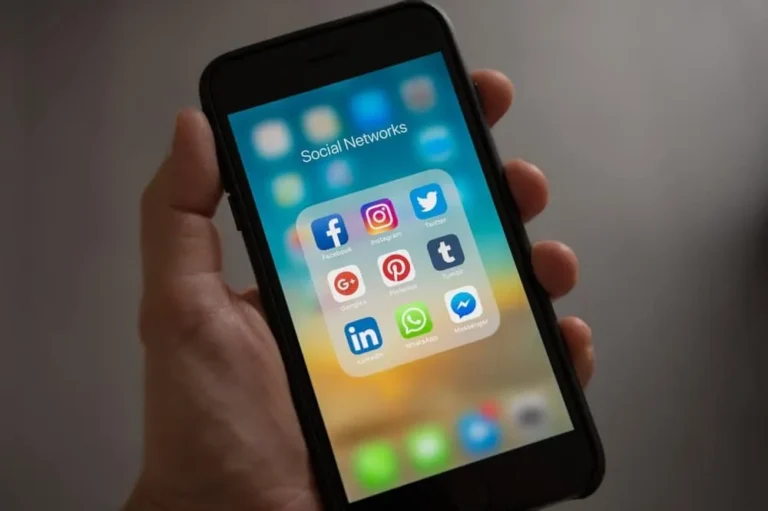
Advice from coaches and psychologists on reducing FOMO by setting limits, practising mindfulness, prioritising relationships and improving sleep.
FOMO has a funny way of convincing you that everyone else is living your life better than you are—eating prettier food, having louder fun, and somehow managing to look well-rested while doing it. The “fear of missing out” may come from something more tender beneath the bravado: a deep belief that we don’t think we’re enough.
And it’s not exactly a fair fight. We’re bombarded by social media posts showing us experiences we ‘should’ be achieving, shops telling us to buy items that will make us look and feel better, our community encouraging us to live by their expectations and timelines.
So the question becomes less “How do I keep up?” and more “How do I get my own life back?” The answer, inconveniently and beautifully, may involve missing out on purpose—and discovering that the world doesn’t end when you don’t attend every invite, reply to every ping, or scroll until your thumb feels like it needs physiotherapy.
“I encourage you to willingly ‘miss out’ – this takes practice. We need to find our own balance and fill our life with people, things and experiences that really resonate with who we are and what we uniquely want from life,” explains Isabella Venour, Mindset & Marketing Coach.
Below are seven practical, human-scale ways to quieten FOMO without becoming a hermit or pretending you don’t like fun. You do. You just don’t need all of it, all at once, at the expense of your sanity.
1) Limits are fulfilling (yes, really)
FOMO thrives in the land of endless options. The cure is a boundary—boring on paper, liberating in real life. Limits stop your attention being chopped into confetti and handed out to everyone except you.
“A life with limits can be more fulfilling; it allows us to focus on what really matters to the environment and us. Rather than focusing on what we’re not doing, let’s celebrate what we are,” explains Isabella Venour.
Try this: pick one “non-negotiable” for your week (sleep, training, family dinner, reading) and schedule everything else around it—rather than sacrificing it to everything else.
2) Live in the present (because your nervous system is tired)
FOMO isn’t only psychological—it’s physiological. If your days are a sprint, your brain will keep searching for threats and opportunities like an overcaffeinated meerkat. Slow down and the noise drops.
Psychologist and Psychotherapist Corinne Sweet working in association with ThinkWell-LiveWell, the new mindfulness toolkit for practical people explains why we’re struggling to slow down and relax. “We are finding it hard to slow down and relax due to the increased pace of life at work, home, and socially.
Constant social media updates, 24/7 news feeds, and shops open all hours. Flexible working and zero-hour contracts mean old boundaries have melted and we are ‘on’ continuously.
To prevent burnout we need to pace ourselves on a human scale. We need to eat well, sleep adequately, wind down, take exercise, moderate addictive pulls (limit alcohol, caffeine), and learn basic mindfulness techniques to live more in the present.”
Try this: one daily “closed shop” period—30 to 60 minutes where nothing new comes in (no news, no socials, no emails). FOMO can’t feed if you don’t lay the buffet.
3) It can rekindle your relationship (and your libido)
FOMO doesn’t just steal time; it steals presence. If your energy is spent managing everyone else’s expectations—friends, colleagues, followers, family—your relationship gets the leftovers. And leftovers don’t usually flirt.
“Relationship troubles can contribute to loss of sexual desire. If you don’t feel listened to, respected or important it is natural to respond with resentment and this can dampen libido.
It’s important to open the lines of communication with your partner, so that anger can be expressed in places other than the bedroom.
There’s no point in trying to have a meaningful, serious conversation when you are waiting for the plumber to come, or the kids are still up.
Set aside talk time and respect it. Turn off all phones and unplug the TV. Put a little relaxing music on, if you like – something you both enjoy,” explains Dr Marilyn Glenville, author of The Natural Health Bible for Women.
Try this: put “talk time” in the diary like it’s an appointment—because it is.
4) More time to cuddle your pet (who never posts passive-aggressive Stories)

FOMO is the fear of missing life. Pets are life—small, furry, judgment-free therapists with questionable breath.
“There is a great evidence that having a pet boosts overall health by reducing stress, increasing immunity, improving mood, making us more sociable, increasing fitness and staving off heart disease and major mood disorders,” explains Alix Woods.
Try this: replace 10 minutes of scrolling with 10 minutes of pet time. Same dopamine goal, better long-term returns.
5) Time to acknowledge your blessings (without being smug about it)
Gratitude isn’t a slogan. It’s a mental habit that shifts attention away from what you “should” be doing and back toward what’s already working. That’s how you weaken FOMO at the root.
Try this: at the end of the day, write down three “got done” items—especially the small ones. FOMO hates evidence that your life is, in fact, happening.
6) Focus on self-care (the unglamorous kind that actually works)
Self-care isn’t only baths and scented candles. Often it’s doing the basics consistently—sleep, food, movement, boundaries—so your future self isn’t left cleaning up the mess.
“Self-care gives us access to a better version of ourselves. Proactively tending to yourself with self-care gives you the best possible chance of being the person you aspire to be, behaving in a way consistent with your values, boosting your self-esteem and the health of your relationships,” recommends Suzy Reading.
Try this: define self-care in one sentence you can measure (e.g., “I walk daily, eat protein at breakfast, and stop work at 7 pm”). Vague self-care is easy to postpone; specific self-care gets done.
7) Better sleep (the quiet assassin of FOMO)
If you want to beat FOMO, start by defending your evenings. Late-night scrolling is a direct trade: a little borrowed stimulation now for poorer sleep later—and a more anxious brain tomorrow.
Missing out on Instagram? No FOMO over her just a better night’s sleep – “Blue light can delay melatonin output a key hormone involved with the sleep-wake cycle.
Key offenders are phones, laptops and the TV. I am not the best sleeper and have seen a huge shift in the quality of my sleep since I stopped scrolling on my phone before bed. I now read a novel before bed,” explains London Nutritionist, Lily Soutter.
Try this: a “digital sunset” 45 minutes before bed. If you must do something, read—your brain will thank you in the morning.
The bottom line
FOMO isn’t proof you’re behind; it’s proof you’re overloaded. The win is learning to miss out deliberately—so you can show up properly for the people, work, and moments that actually matter to you.