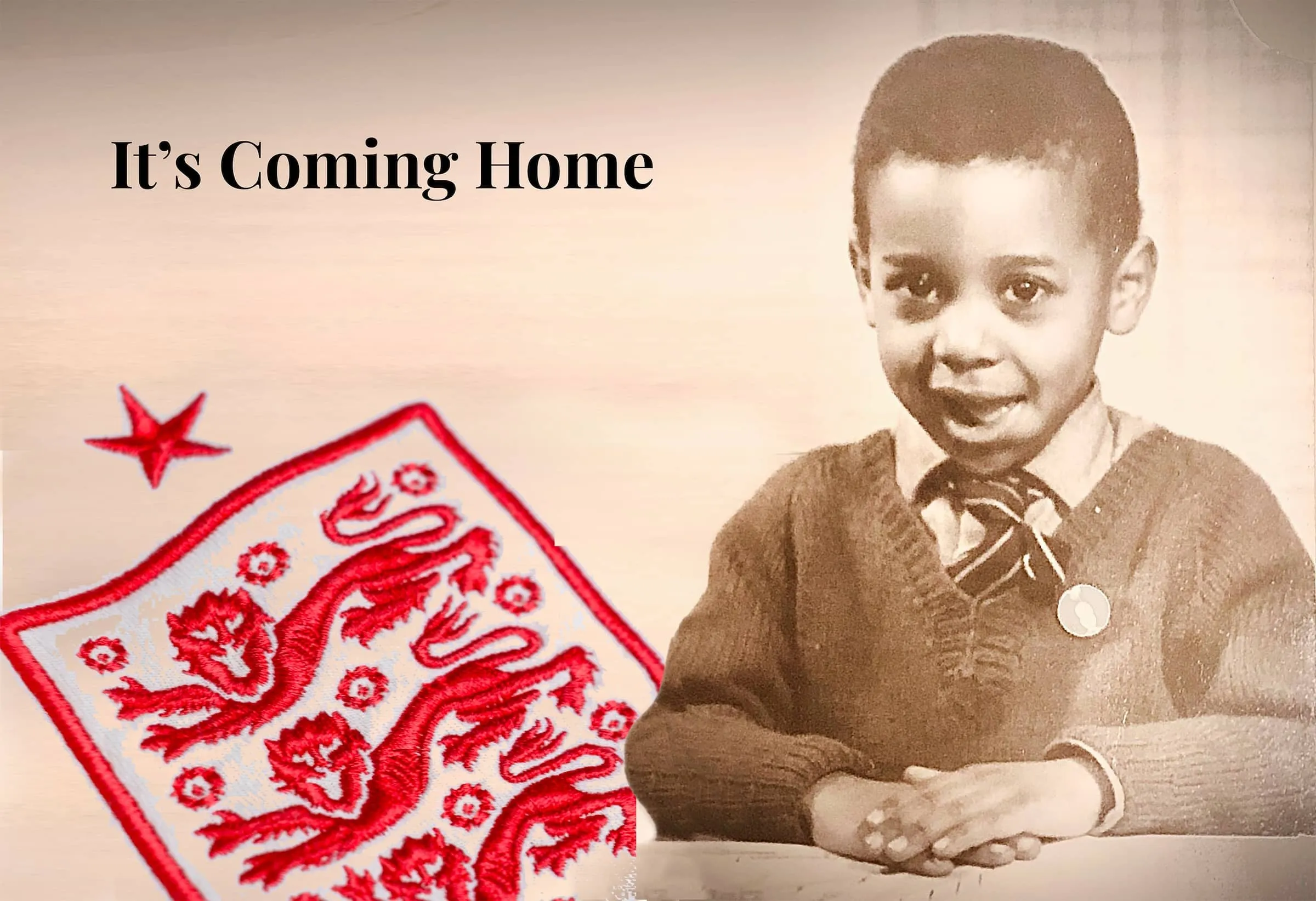
A powerful reflection on England, race, belonging and why this World Cup team carries meaning far beyond football
People often say sport transcends politics. I wish that were true. History tells a different story.
Sport has always reflected the society around it—its tensions, prejudices, triumphs and failures. The stadium may offer an escape, but it does not exist in a vacuum.
Yet for the first time in my life, I want England to win the World Cup.
The reason surprises even me.
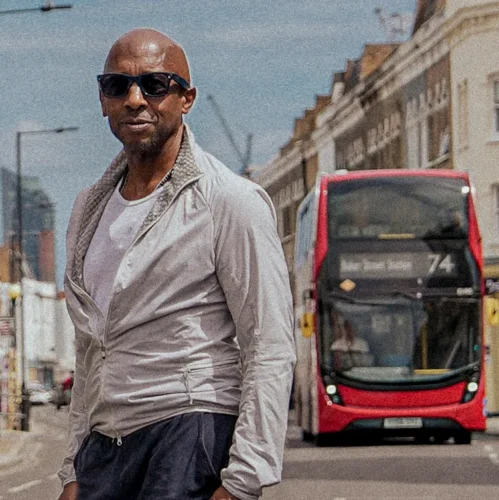
When I look at the England team, I am witnessing something that would have been almost unimaginable when I was a boy. I see players whose faces reflect a country that, for much of my childhood, struggled to see people like me as fully belonging.
I am a Black British man who grew up in Britain during the 1960s and 1970s. When I hear some of the political rhetoric circulating today, I do not hear something new. I hear echoes. That is not paranoia. It is pattern recognition.
I remember dogs being called N****r, Blackie and Sambo. I remember the sus laws. I remember being attacked as a schoolboy and left with a fractured skull, lying in a pool of blood on the pavement. I remember saying goodbye to my mother and telling my brother that I loved him because I genuinely believed I was dying. I was fourteen years old. I am sixty-eight now, and I still find those memories difficult to write about.
I remember National Front marches on my high street. I remember being told that I did not belong in the country where I was born. I remember the insults, the threats and the casual certainty with which some people believed they had the right to decide who was British and who was not.
Those experiences never really leave you. They do not sit neatly in the past like entries in a history book. They become part of the way you hear the world.
That is why I find it difficult when people ask why some of us cannot simply move on. Move on from what? The fractured skull? The fear? The humiliation? The knowledge that some people hated me before they even knew my name?
I will be honest: there are moments when I still feel anger towards the people who did those things to me. Some wounds never fully heal. Racism does not disappear when the bruises fade. It leaves a mark that follows you through life.
So when I hear politicians talking about invasions, cultural incompatibility or who truly belongs, I do not analyse it as an academic exercise. I hear it through the ears of someone who has spent a lifetime listening to variations of the same message. The language changes. The target changes. The marketing becomes more sophisticated. Yet the emotional frequency remains remarkably familiar.
What makes it harder at my age is the exhaustion. I genuinely thought we had travelled further than this. I watched race relations legislation become law. I watched Britain become more diverse, more confident and more comfortable in its own skin. I raised a family, paid taxes, worked, contributed and believed that each generation would inherit a country a little fairer than the one before it.
Then came Windrush.
After everything, people who had helped build this country were still being asked to prove they belonged. It was a painful reminder that acceptance can sometimes feel conditional.
That is why this England team matters to me.
Not because football solves racism, and not because sport somehow exists above politics. It matters because the players represent a truth that some people still struggle to accept. They are not guests, outsiders or temporary additions to the national story.
They are England.
The irony is that the country where I was once told I did not belong will spend the World Cup cheering for a team that looks like me, my sons, and millions more whose belonging is still questioned. For ninety minutes, people will celebrate the goals, the victories and the players without giving a second thought to whether they belong.
They will simply belong.
For the first time in my life, I want England to win the World Cup. Not because sport transcends politics, but because when I look at that team, I feel something I never expected to feel.
I feel hope for my sons.
When I look at this England team, I find myself thinking about the distance this country has travelled since the days when I was told that people like me did not belong here.
Because when I look at that team, I do not just see footballers representing England. I see my sons. I see millions of others. And for the first time in my life, I can look at an England team and recognise my family in it.