Putting off dental care can turn small problems into bigger bills. A dentist explains why early checks, bleeding gums and prevention matter.
Household budgets are under pressure, but waiting for a toothache before seeing a dentist can leave patients with fewer treatment options — and a considerably larger bill.
Delaying dental treatment can feel like a sensible way to protect a stretched household budget. If nothing hurts, the temptation is obvious: leave the appointment for another month and spend the money somewhere more urgent.
The problem is that teeth and gums are not especially good at sending early warnings. Decay can progress without obvious pain, while gum disease may remain easy to dismiss until the damage is harder — and more expensive — to deal with.
For patients already weighing food, energy, housing and childcare costs, that creates a particularly awkward calculation. Saving money now can sometimes mean facing more treatment later.
A painless tooth can still have a problem
Dentist Dr Soumaya Zinet, founder of Invisiblebraces4u, says she regularly sees patients who delayed seeking help because of cost, only to discover that the problem has become more complicated.
Tooth decay is a clear example. A small area may initially be treated with a filling. If decay reaches the nerve inside the tooth, treatment can progress to root canal work and a crown. In some cases, the tooth may no longer be savable and has to be removed.
That does not mean every missed appointment ends in major treatment. It does mean that waiting for pain is a poor way to judge whether everything is healthy.
The same principle applies to sensitivity, a broken tooth or swelling. Symptoms can change the options available, and a problem that might once have been straightforward may become harder to manage if it is left.
Bleeding gums deserve more attention
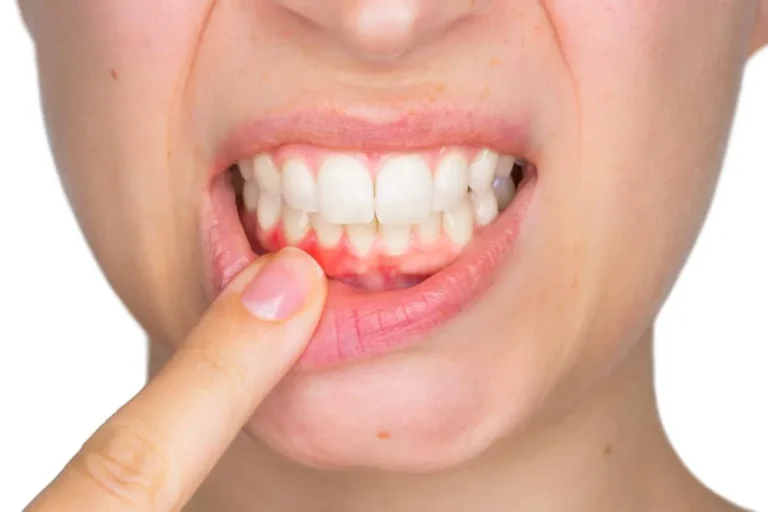
Bleeding gums are often normalised, particularly when they have been happening for a long time. Healthy gums, however, should not routinely bleed.
Persistent bleeding can be a sign of inflammation or gum disease. When identified early, gum problems can often be managed with better cleaning and professional advice. Advanced gum disease can damage the bone supporting the teeth, eventually leaving teeth loose or leading to tooth loss.
There is a wider health context too, although it needs careful wording. Advanced gum disease, or periodontitis, is independently associated with cardiovascular disease, diabetes and some respiratory diseases. Association is not the same as proof that gum disease directly causes those conditions, and they share risk factors including smoking, age, diet and deprivation.
The relationship with diabetes is particularly important because it runs both ways. Poorly controlled blood sugar can increase the likelihood of severe gum disease, while long-term gum inflammation may make blood sugar more difficult to control.
Researchers are also continuing to investigate the link between severe periodontitis and cardiovascular disease, with chronic inflammation considered one possible explanation.
Prevention is cheaper when it keeps options open
The financial pressure around dentistry is not abstract. An NHS England analysis published in February 2026 found that the number of adults seen by an NHS dentist remained 16.4 per cent below its April 2019 level, despite signs of recovery among children.
Those figures sit behind countless smaller decisions about whether to book, delay or hope a problem settles on its own.
Zinet’s point is not that everyone should be attending a dentist every six months. Recall intervals vary. Someone at low risk of dental disease may be advised to go less often, while people with active decay, gum problems or certain health conditions may need more frequent appointments.
The useful distinction is between following an agreed recall plan and assuming that no symptoms automatically means no disease.
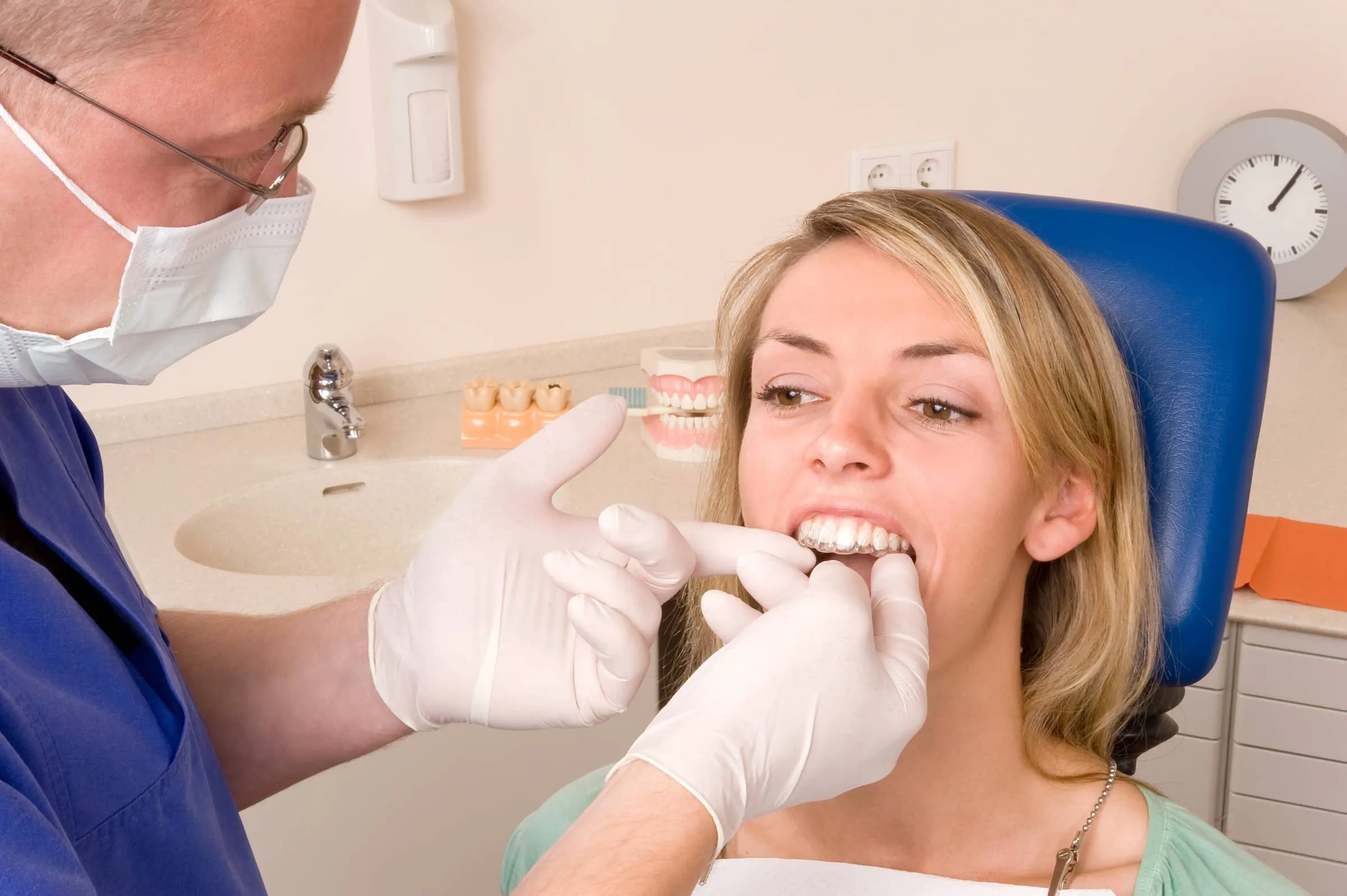
Seeking advice also does not mean committing immediately to expensive treatment. Patients can ask what has been found, how urgent it is, what their options are, what each option costs and what may happen if treatment is delayed.
The useful basics are still simple
Good oral care does not depend on premium gadgets. The NHS recommends brushing twice a day for about two minutes with fluoride toothpaste, including once just before bed. Cleaning between the teeth with floss or interdental brushes can reach plaque that a toothbrush may miss.
A manual toothbrush can be effective if it is used thoroughly, so there is no need to assume that better dental care starts with buying expensive equipment.
Sugar frequency matters as well. Each sugary snack or drink exposes teeth to an acid attack, which means grazing on sugary foods or repeatedly sipping sweetened drinks through the day can be more damaging than consuming the same amount less often.
None of this removes the structural problem. Oral health is influenced by genetics, medication, disability, illness, deprivation and access to professional care. Advice about prevention is of limited use if people cannot find an NHS dentist or cannot afford the treatment offered.
Know which signs should not simply wait
Toothache, facial swelling, a broken tooth, persistent sensitivity and gums that repeatedly bleed all warrant professional advice. A mouth ulcer, red or white patch, lump or unexplained change that lasts for more than three weeks should also be assessed.
That list is not an invitation to panic. It is a reminder that dentistry is healthcare, not an optional cosmetic extra. Oral pain can affect eating and sleep; infection can make someone seriously unwell; and long-running dental problems can erode confidence and day-to-day comfort.
The cost-of-living crisis has made many households more cautious about every appointment and every bill. That reality deserves sympathy rather than judgement. But where care is accessible, delaying dental treatment purely because nothing hurts can be a false economy.
Sometimes the cheapest treatment is the problem caught before it has time to become a bigger one.