ukactive and BHF guidance urges gyms and leisure centres to improve defibrillator access, registration and emergency response.
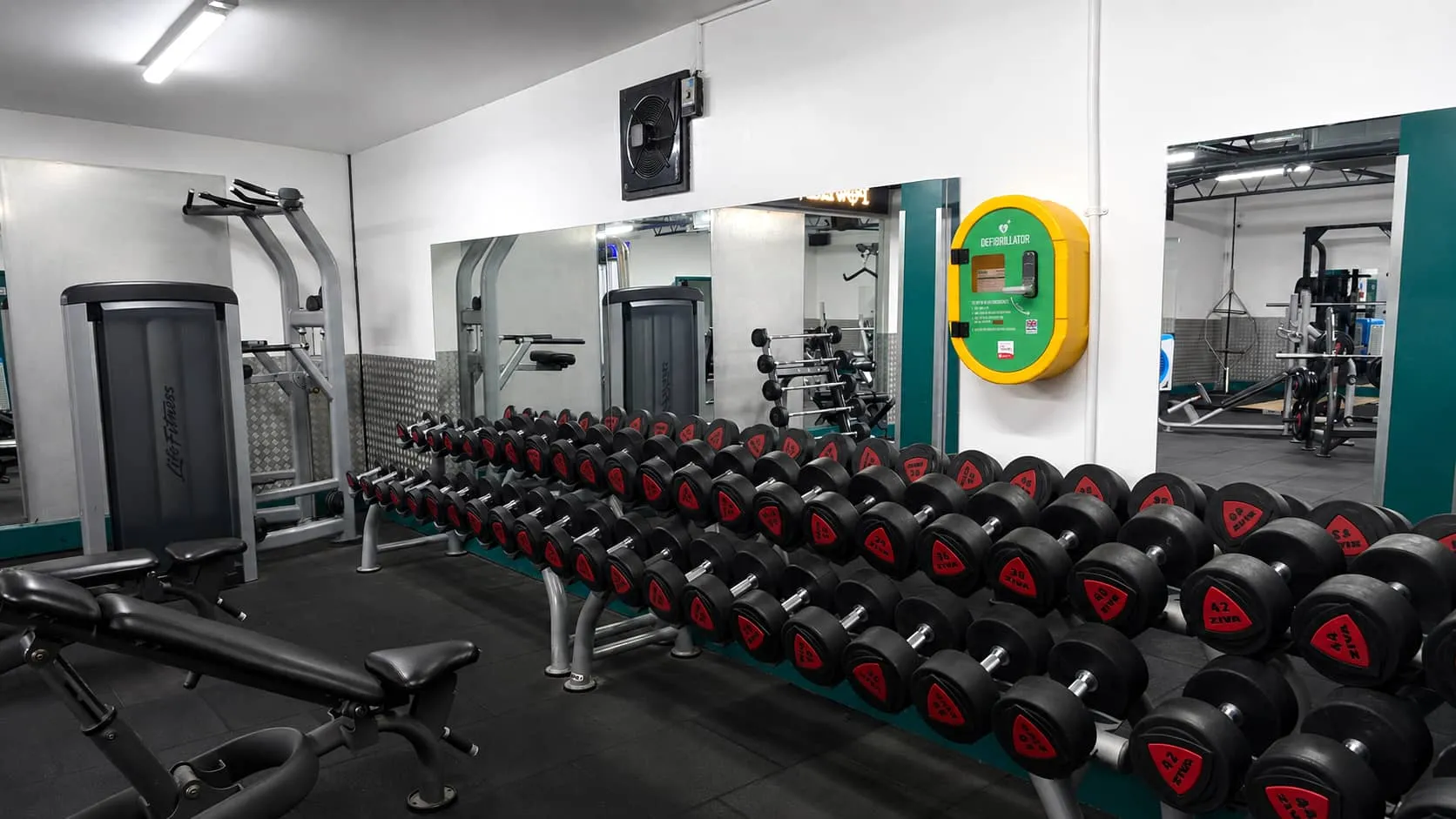
A defibrillator is not the most glamorous piece of kit in a gym, sitting somewhere between the rowing machine and the vending machine in terms of visual drama, but when cardiac arrest strikes, it becomes the most important device in the building.
ukactive has published new guidance, developed with the British Heart Foundation, to help gyms, swimming pools, leisure centres and fitness facilities provide faster, clearer and better-managed emergency support for anyone who suffers a cardiac arrest.
The resource, titled Guidance on Defibrillator Provision in Physical Activity Settings, offers operators practical advice on installing, registering and maintaining a defibrillator, as well as training staff and building the device properly into emergency response plans.
Why This Guidance Matters For Gyms And Leisure Centres
Cardiac arrest is brutal in its lack of ceremony. It does not care whether someone is halfway through a spin class, walking through reception, finishing a swim or watching their child’s five-a-side from the café.
A defibrillator delivers a controlled electrical shock to the heart to help restore a normal rhythm when someone is in cardiac arrest. In that moment, time is not merely important; it is the whole match.
Out-of-hospital cardiac arrest survival rates in the UK remain low, with fewer than one in 10 people surviving. Rapid defibrillation within a few minutes of collapse, however, can significantly increase survival rates.
That is why this guidance lands with more weight than the usual operational paperwork. It is not about ticking a compliance box and filing it neatly where nobody will ever read it again. It is about whether a facility is ready when someone’s heart suddenly stops.
More Than A Box On The Wall

The new ukactive guidance is designed to help operators develop policies that reflect the reality of their facilities: layout, activity type, footfall, risk profile and emergency response procedures.
That matters because no two sites operate in quite the same way. A compact boutique gym has different challenges from a sprawling leisure centre with a pool, sports hall, changing rooms and enough corridors to make a sat-nav nervous.
The guidance has been informed and approved by ukactive’s Standards and Legislation Committee, which features experts from operators of different types and sizes across the sector.
It also includes three case studies from operators, highlighting real examples of how gyms, pools and leisure centres approach defibrillator provision and emergency readiness.
The Community Role Fitness Venues Can Play
There is another layer here, and it is an important one.
Fitness and leisure facilities are often well-placed within communities. They are familiar buildings, easy to find and used by people of all ages. That makes them valuable locations not only for members and staff, but also for nearby public access.
The guidance highlights that 80% of out-of-hospital cardiac arrests occur in the home, where defibrillators are less likely to be available. If a gym or leisure centre has a device that is accessible to the public, it can become part of the local emergency safety net.
To support that, operators are encouraged to house their defibrillator in an external cabinet so it can be available to the public, and to register it with ambulance services through The Circuit.
Why The Circuit Is Crucial
The Circuit is the UK’s national defibrillator network, developed by the British Heart Foundation in partnership with the Resuscitation Council UK, St John Ambulance, NHS England, the Association of Ambulance Service Chief Executives and Save a Life Cymru.
It provides one central database mapping the location, availability and access information of defibrillators across England, Scotland, Wales and Northern Ireland.
That registration point is vital. A defibrillator hidden away, unknown to emergency services, is like a brilliant caddie locked in the boot of the car. Useful in theory. Useless when the pressure is on.
Cameron Saunders, CEO of ukactive, said: “Providing access to a defibrillator can be priceless in an emergency and we regularly hear stories of heroes in the UK’s gyms, leisure centres and swimming pools using CPR and a defibrillator to save someone’s life.
“Our new guidance has been developed with experts to help ensure more operators are fully informed about these life-saving devices and supported to install and maintain them.
“Our members do so much for community health, but this is a huge opportunity to provide emergency support within their local area too, by registering a defibrillator with The Circuit.”
Training, Visibility And Maintenance All Count
The presence of a defibrillator is only part of the equation. Operators also need to think about whether staff know where it is, whether it is maintained, whether it is accessible quickly, and whether emergency procedures are understood beyond the person who wrote them.
The new guidance places emphasis on practical steps: installation, registration, maintenance, staff training and maximising life-saving impact in physical activity settings.
It is a sober reminder that health and fitness facilities are not just places where people chase personal bests, lose a few pounds or argue internally with a treadmill. They are public-facing environments where emergency response planning must be sharp, visible and rehearsed.
Simon Dunn, Head of The Circuit Operations at the BHF, said: “We’re grateful to ukactive for developing this important guidance for their members. Having fast and easy access to a defibrillator can be the difference between life and death.
“A cardiac arrest is the ultimate medical emergency and can happen to anyone at any time, so having easily locatable defibrillators registered on The Circuit is vital. Without the defibrillator being registered, ambulance services will be unable to point a bystander in the right direction, potentially losing precious minutes.
“Fewer than one in 10 people survive an out-of-hospital cardiac arrest in this country. However, timely CPR and defibrillation can more than double survival chances. This is why updated guidance ensuring defibrillators are accessible and visible to ambulance services is a profoundly positive thing that may save lives.”
A Safety Standard Worth Taking Seriously
For fitness operators, this is a practical call to tighten up emergency readiness. For members, it is reassurance that the place they train, swim or take their children is thinking seriously about more than membership renewals and whether the sauna is working.
The best emergency systems are rarely dramatic. They sit quietly in the background, checked, registered and ready. Then, on the worst day imaginable, they become everything.
A defibrillator may never be the flashiest piece of equipment in the building. But when it is needed, nothing else in the room comes close.
To read the guidance, click here. To register your defibrillator with The Circuit, click here.