The DASH diet cuts salt, boosts whole foods and can lower blood pressure and cholesterol—without hunger or gimmicks.
The word “diet” has the charm of a wet sock. It usually implies a life of saying “no” to things you love, while your dinner stares back at you like it’s doing community service. But the DASH diet—despite carrying the dreaded d-word—doesn’t really do deprivation. It does something far more useful: it nudges you towards better choices so your blood pressure can stop behaving like it’s trying to set a land-speed record.
DASH, for the uninitiated, stands for “Dietary Approaches to Stop Hypertension,” and it’s built for the long game, not the crash-diet carnival. No “drink this weird potion and cleanse your aura” nonsense. No miserly portions that leave you Googling “can you eat your own thoughts?” at 10pm. This is a way of eating that’s meant to stick—because it looks suspiciously like actual food.
And it’s not just vibes and good intentions. A study in the Annals of Internal Medicine compared people following the DASH diet and those eating a diet rich in fruit and veg with a control group on a “typical” American diet. Over eight weeks, the groups on DASH (and the fruit-and-veg-heavy plan) saw their blood pressure and cholesterol drop compared to the typical diet group. That’s not magic—that’s physiology, served with a side of common sense.
What is the DASH diet, exactly?
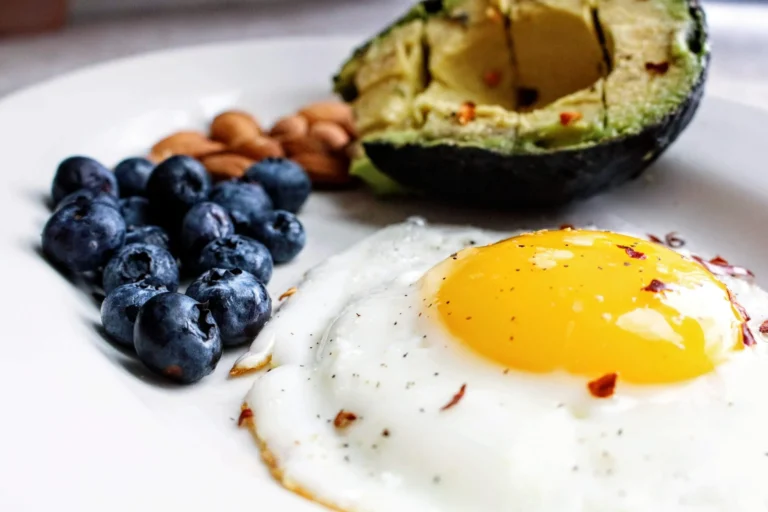
The DASH diet doesn’t involve you doing a lemon juice, maple syrup and cayenne pepper cleanse, like some fad diets do. Instead, it is “low in salt and encourages you to eat whole grains, fruit, vegetables, pulses, lean meat, fish and low-fat dairy products,” explains Sophie Medlin, consultant dietitian and director of City Dietitians.
In other words: the sort of shopping basket your future self would high-five you for. It’s food with a point to prove—nutrient-dense, satisfying, and not remotely interested in making you miserable.
Medlin says the structure of the plan does more than simply ease off the salt shaker. “As well as being low in salt, the diet is low in saturated fat, which helps to lower cholesterol. The diet is high in fibre, rich in vitamins and minerals, and is full of good quality protein which will help you to feel full throughout the day.”
That last part matters, because the real enemy of “healthy eating” isn’t usually your willpower—it’s hunger. If a plan leaves you starving, you’ll eventually end up elbow-deep in the biscuit tin, wondering where it all went wrong. The DASH diet is designed to be filling, which makes it far more likely you’ll actually follow it.
Why salt matters (and why “just don’t add it” isn’t enough)
The DASH diet’s low-salt angle isn’t a quirky preference—it’s the engine of the whole operation. “Salt intake and blood pressure are closely linked because the more salt you take in your diet, the more water you retain in your body, increasing the amount of pressure your blood vessels are under,” explains Medlin.
So yes, cutting salt can help your blood pressure calm down. And that’s not trivial: high blood pressure raises the risk of serious problems like stroke and heart attack. Monitoring your salt intake and blood pressure, especially if you’ve been warned about hypertension, is less “wellness trend” and more “please keep the plumbing working.”
But here’s the kicker: most salt doesn’t come from what you add at the table. It sneaks in through the back door, wearing a processed-food disguise.
“We get a lot of salt in our diet from processed foods, including salty snacks, takeaway or ready meals, and processed meat like sausages and bacon,” says Medlin.
That’s why simply ditching the salt cellar often doesn’t move the needle enough. “This means that just stopping adding salt at the table isn’t enough for many people to reduce their blood pressure to a safe level, dietary changes are needed,” – and this is where the DASH diet can help.
Translation: it’s not about one heroic act of restraint at dinner. It’s about shifting the overall pattern—more whole foods, fewer packaged ones, and a diet that works quietly in the background like a good caddie.
More than blood pressure: the wider health payoff
As if improved blood pressure and cholesterol weren’t enough to merit a small parade, Medlin says the DASH diet can also offer “protection against heart disease, diabetes and some cancers”. That’s a broad bit of cover for something that, on the surface, looks like “eat more plants, choose better proteins, and go easy on the salty stuff.”
And this isn’t some new kid on the nutrition block trying to make a name for itself on TikTok. “It has been around since the 1990s and has been used by dietitians as a therapeutic diet for many years,” says Medlin. “It is a well-balanced and evidence-based approach to preventing disease and managing weight, and there are some excellent apps and resources online to support people to follow the diet.”
That might be the most reassuring part: the DASH diet isn’t a fad with a flashy headline and a short shelf-life. It’s a grown-up plan—steady, evidence-based, and practical enough to survive real life.
The bottom line
If you’re looking for a diet that doesn’t feel like punishment, the DASH diet is one of the rare options that’s both sensible and supported by research.
It’s not dramatic. It’s not trendy. It doesn’t promise you’ll wake up with abs and a new personality. But it can help lower blood pressure, improve cholesterol, and build healthier habits without living on salad leaves and regret.
Always consult your doctor if you have any concerns, and before making any major diet changes.