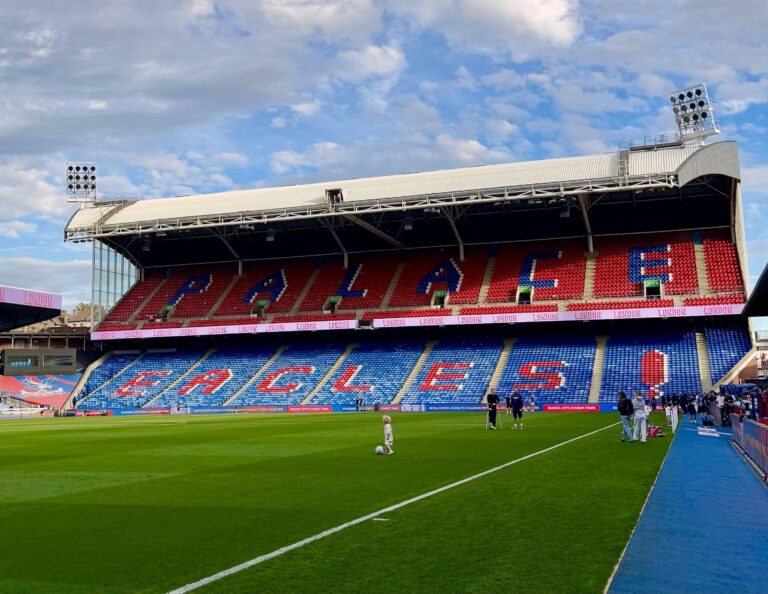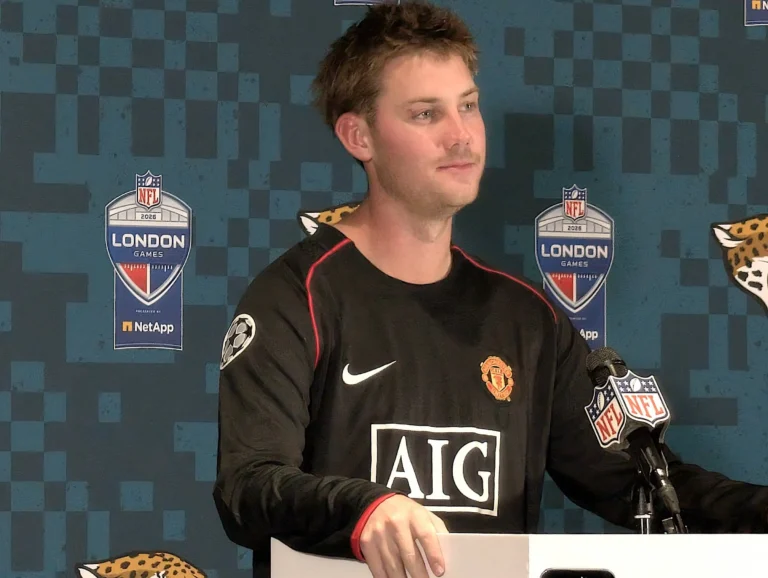
Pierre Sage's departure from Crystal Palace was perhaps inevitable given the club's difficult start to the season. A poor run of results, sitting at the bottom of the Premier League and clear defensive problems have made a managerial change increasingly difficult to avoid.
His dismissal may be the first step towards rebuilding, but the problems facing the South London club could run much deeper than the manager, with bigger questions surrounding recruitment, leadership and the overall direction of the football club.
Taking over from Oliver Glasner was never going to be an easy task. Glasner leaves behind the most successful managerial period in Palace’s history, delivering the FA Cup, Community Shield and UEFA Conference League. Whoever followed him was always going to have enormous shoes to fill.
However, looking back at Glasner’s final months, some of the frustrations he voiced about the club are now becoming increasingly difficult to ignore.
One of the biggest changes behind the scenes was the departure of Dougie Freedman, who played a significant role in building the squad that delivered Palace’s historic success. His ability to identify talent was exceptional, bringing players such as Michael Olise, Eberechi Eze, Marc Guéhi and Adam Wharton to Selhurst Park. Freedman also had a unique connection with the club, having represented Palace as a player and manager.
Matt Hobbs arrived from Wolves to take over the sporting director role, but the recruitment and overall body of work since his arrival have not been good enough. Replacing players is not simply about finding someone with similar footballing ability. It is about identifying character, personality and leadership, as well as talent.
Palace have lost important players, but have they replaced the qualities that made those individuals so valuable to the team?
Glasner made his frustrations clear, and while airing concerns publicly divided opinion among supporters, much of what he highlighted deserves consideration.
Sage inherited a difficult situation, and it would be unfair to suggest he is solely responsible for Palace’s struggles. The 3-4-2-1 formation that brought success under Glasner continued, but opponents appeared increasingly comfortable playing against it.
Palace became vulnerable defensively, too easy to break down and short of the organisation and confidence needed to compete consistently.
Now comes the opportunity for a reset. Making the decision during the international break gives the club valuable time to bring in a successor, assess the squad and introduce a fresh approach before the return to action.
Thomas Frank has emerged as the leading candidate, with Sean Dyche and other names also featuring in the speculation.
Whoever arrives needs to bring more than a new formation. Palace need organisation, leadership and someone capable of putting an arm around players who appear to have lost confidence.
The basics must come first. Defensive structure, communication, responsibility and belief need to be rebuilt on the training ground. Players must feel confident enough to express themselves, take responsibility and become leaders within the dressing room.
There is still plenty to play for. Palace remain in the Europa League, with 28 Premier League matches remaining and an opportunity to turn the season around. Coventry away on November 21 could provide the perfect starting point for a fresh chapter.
But a managerial appointment alone will not solve everything. The club must seriously consider whether its recruitment strategy and sporting leadership are delivering what is required. A new manager needs the right backing, the right players and a clear direction from those above him.
Palace have reached heights that once seemed unimaginable. The challenge now is making sure those achievements become the beginning of something rather than a missed opportunity.
A fresh start is needed, but this time the whole club must move forward together.