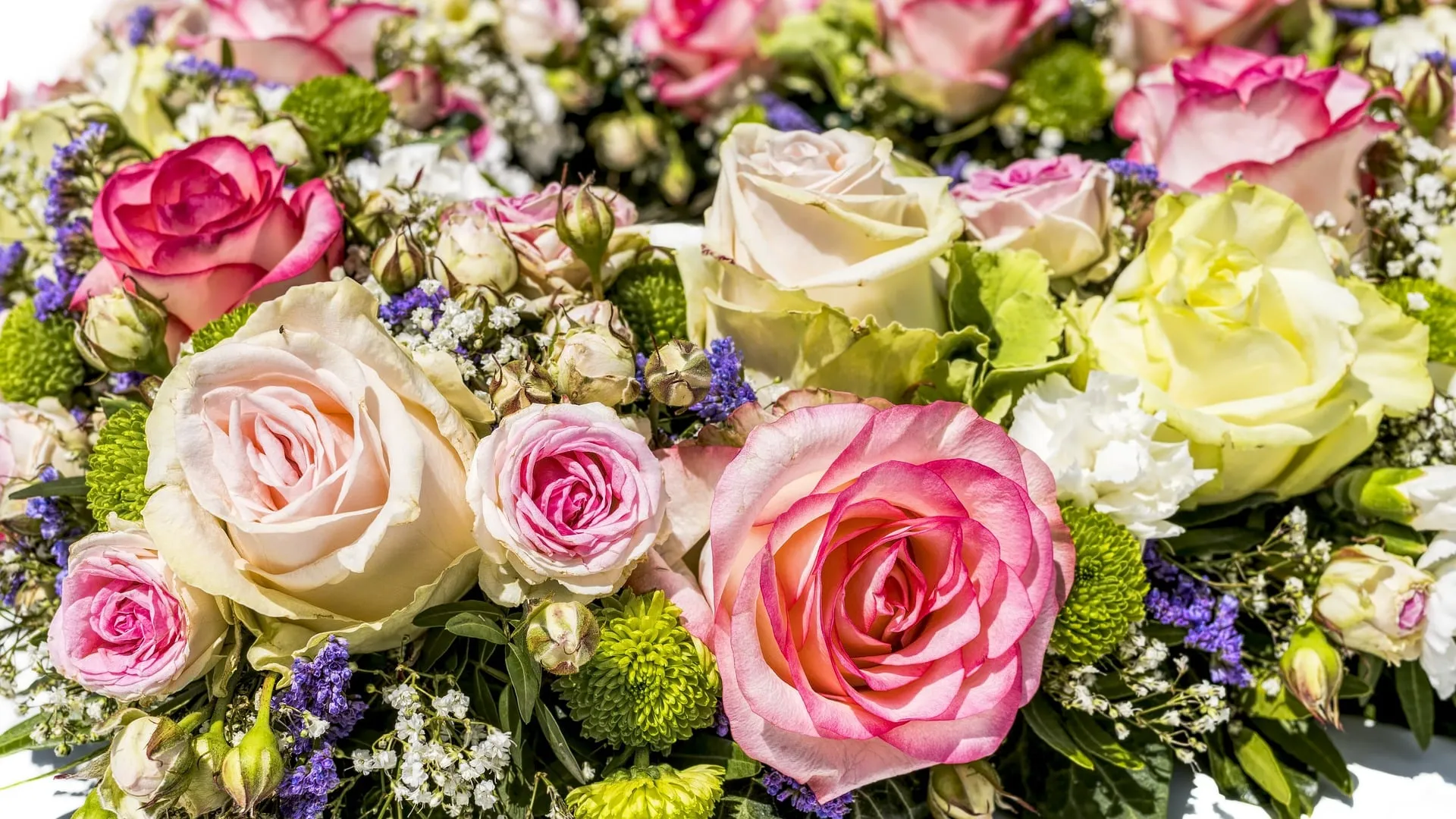
How to choose apology flowers that feel sincere, elegant and personal without looking overdone.
When it comes to choosing flowers for reconciliation, the difference between a thoughtful apology and a panicked floral ambush usually lies in the details: roses, peonies, alstroemerias, same-day flower delivery and, crucially, a bouquet that looks sincere rather than suspiciously expensive.
Arguments have a way of lingering. They sit in the room like a damp coat, making everything feel heavier than it ought to. Words can help, of course, but anyone who has ever tried to assemble a dignified apology while emotionally cornered will know that “I’m sorry” can sometimes arrive looking like it has been dragged through a hedge.
That is where flowers still earn their keep. Not as a replacement for accountability, and certainly not as a bribe, but as a civilised gesture that softens the ground before the conversation begins.
Can You Apologise With A Bouquet?
Yes, you can apologise with a bouquet — provided it is chosen with care and delivered with humility rather than theatre.
A bouquet works because it is personal without being excessive. An expensive gift may feel like an attempt to buy forgiveness, which is rarely a winning strategy unless your argument was over insufficient diamond ownership. Flowers, by contrast, carry a simpler message. They say: I thought about this. I made an effort. I would rather not spend the next three days communicating through cupboard doors.
Apologising with flower delivery has been practised for decades, and for good reason. The person receiving the flowers usually understands the gesture immediately. The bouquet becomes a visual pause in the argument: fragrant, temporary, and considerably more attractive than another defensive text message.
What Makes A Good Reconciliation Bouquet?
A reconciliation bouquet should be elegant, natural and clear in tone. This is not the moment for plastic stems, novelty wrapping or anything that looks as though it was assembled by a committee during a power cut.
A good apology bouquet should usually:
- consist only of natural flowers
- include greenery such as fern leaves, twigs or herbs
- contain three to seven large blooms
- feel simple but presentable
- avoid looking too formal, cold or transactional
Large flowers such as gladioli, peonies or roses can form the backbone of the bouquet. Smaller touches — lilies of the valley, daisies or crocuses — can soften the arrangement and stop it looking like a botanical surrender flag.
Greenery matters more than people think. It gives the bouquet shape, texture and a sense of calm. Without it, even beautiful flowers can look a little too assembled, like an apology wearing a stiff collar.
What Flowers Will Say “I’m sorry” Without Words?
The best flowers to say sorry depend on the person, the relationship and the size of the emotional crater involved.
Red and burgundy roses remain the classic choice for a romantic apology. They carry associations of love, fidelity and devotion, which makes them suitable for a girlfriend or partner when the message needs to be direct, warm and unmistakably personal.
Yellow or white roses are better suited to family relationships. They suggest stability, care and peace, making them appropriate for a wife, sister or mother when the apology is less about grand romance and more about restoring harmony at home.
Peonies, especially in pink, cream or two-tone shades, offer a softer note. They suggest gratitude and respect, which makes them a thoughtful choice when apologising to an older person or someone who deserves a bouquet with dignity rather than drama.
Alstroemerias, also known as Peruvian lilies, are excellent all-rounders. They are often associated with friendship, making them well suited to apologies involving a friend, acquaintance, colleague or someone who does not need a dozen red roses turning up and causing questions in the office.
And then there are cacti. Do not send cacti as an apology. Nothing says emotional misjudgement quite like handing someone a plant that physically punishes contact.
Match The Bouquet To The Person
The most important rule is also the most obvious: choose flowers the recipient actually likes.
A favourite flower will nearly always beat a technically correct one. If the person loves peonies, send peonies. If they prefer white roses to red, do not treat the red ones as a moral upgrade. The bouquet should speak to them, not to a Victorian flower dictionary with a superiority complex.
The relationship also matters. A romantic partner may appreciate richer colours and fuller blooms. A parent might prefer something calmer and more traditional. A colleague may need an arrangement that is tasteful, modest and unlikely to spark a meeting about workplace boundaries.
A personal handover is ideal when the situation allows it. If not, online flower delivery can work well, especially when the apology should arrive promptly. Same-day delivery is particularly useful when a quarrel has left too much silence hanging in the air.
Add Words, But Keep Them Warm
Flowers can open the door, but they should not be expected to do all the talking.
If the bouquet is delivered rather than given in person, include a card or leaflet with warm words so the reason for the gesture is clear. The note does not need to be long. In fact, shorter is usually safer. This is not the place for a legal defence, a timeline of mutual errors or a bold suggestion that both parties may have learned something.
A simple apology, a kind sentence and a willingness to talk will usually do more than a three-paragraph emotional audit.
Small additions such as sweets, cakes, fruit or a bottle of something suitable can accompany the bouquet, though they should support the gesture rather than overwhelm it. The flowers should remain the apology’s main act.
Which Bouquet Style Works Best?
Modern bouquets come in enough shapes and arrangements to unsettle anyone already feeling fragile. For reconciliation, the safest choices are usually those that combine grace with restraint.
Classic spherical or drop-shaped bouquets are reliable because they look neat, elegant and sincere. They do not shout. They simply arrive, behave themselves and make the room better.
Asymmetric bouquets suit creative people who appreciate something less conventional. They can feel more personal and expressive, provided they are still composed rather than chaotic.
Bouquets with falling flowers offer a more dramatic look. They can appear luxurious and unusual without tipping into vulgarity, particularly when the recipient enjoys visual flair.
Vertical bouquets made from long-stemmed flowers can also work well. They carry presence and confidence, which can be useful when the apology needs to feel properly considered.
Boxes, Baskets And Potted Plants
A bouquet is not the only option.
A box of flowers can feel neat, modern and polished, especially when delivery is involved. It also gives the arrangement a sense of occasion without requiring the recipient to hunt for a vase while still deciding whether to forgive you.
For older recipients, flowers in a basket may be the better choice. They feel traditional, generous and easy to display.
For keen housekeepers or plant lovers, flowering plants in a pot can be especially thoughtful. Orchids, violets, fuchsias and azaleas all offer something more lasting than cut stems. That said, choose carefully. A living plant is charming; a demanding plant can feel like homework with petals.
Same-Day Delivery And The Timing Of An Apology
Timing matters. A bouquet sent too late can look like an afterthought. A bouquet sent too soon, before any reflection has taken place, may look like emotional damage control in cellophane.
Same-day apology flower delivery can be a good solution when the quarrel is fresh and the relationship matters. It signals urgency without requiring a grand production. Still, speed should not replace sincerity. The flowers should be followed by the part nobody can outsource: the apology itself.
That is the quiet truth of reconciliation flowers. They do not erase the argument. They do not win the case. They simply make it easier for two people to step back into the same room with a little more grace.
Choose them well, add a few honest words, and the bouquet can do what all good gestures should: lower the temperature, soften the edges and let forgiveness have a decent place to land.