Think cholesterol is simply good or bad? We unpick seven common myths, explain the real risks and show when a heart check may help.
Cholesterol has had a bad reputation for decades, but most of what you’ve heard about it doesn’t hold up. Yes, high levels can genuinely put your heart at risk, but the idea that it’s simply ‘good’ versus ‘bad’ is far too simple.
Years of outdated dietary guidelines and unverified claims have muddied the picture even further. The truth is far more complicated than a simple split into ‘good’ and ‘bad’.
According to Heart UK, almost half of adults in the United Kingdom have cholesterol levels above the recommended range, and many don’t know this until a routine blood test flags it or they develop cardiovascular complications.
With so much misinformation surrounding cholesterol, understanding the facts has never been more important. Here, I debunk seven of the most common cholesterol myths and misconceptions.
Myth #1: All Cholesterol is Bad For Your Health
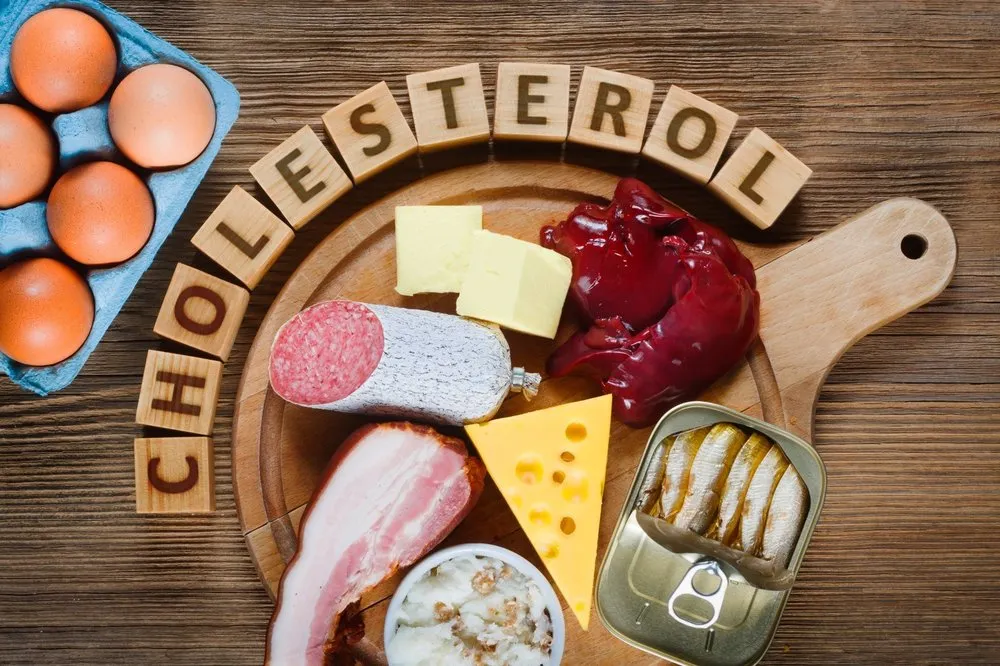
Not every cholesterol type is bad for your heart health; in fact, HDL, commonly known as ‘good cholesterol’, helps remove extra or bad cholesterol from your blood, fights inflammation, and plays a role in preventing blood clots.
LDL, or ‘bad cholesterol ‘, on the other hand, is the real troublemaker. When it goes above the recommended level, it can cause plaque buildup in your arteries and raise your risk of a heart attack or stroke.
Myth #2: Only Overweight People Need to Worry
You’ll have heard this one before, and it’s one of the most persistent misconceptions out there. The reality is, people of any body type can have high cholesterol. Obesity can push LDL up and HDL down, sure, but that’s not the whole story.
Genetics, age, hormones, family history, and everyday habits all play a role too – which is exactly why many lean, seemingly fit people can have high cholesterol and no idea.
Myth #3: Your Diet is Entirely to Blame
Get a raised cholesterol result back, and it’s natural to assume your food is the culprit. But diet is only one side of the picture. Around 80% of the cholesterol in your body is actually produced by your liver, not eaten, says Dr Francesco Lo Monaco, private cardiologist in London and founder of The National Heart Clinic.
Other factors, such as genetics, age and gender contribute too. A diet comprising vegetables, fruits, whole grains and healthy fats can make a real difference to your overall health and cholesterol profile.
Myth #4: Cholesterol Levels Only Matter in Old Age
Cholesterol is not directly linked to age; instead, it can affect children, adults, and older adults alike. Children are usually at risk of raised cholesterol levels due to inherited conditions or an unhealthy lifestyle.
The American Heart Association recommends checking your levels at least every 5 years from age 19 onwards to minimise the associated risks of heart disease.
Myth #5: Diet and Exercise Alone Will Fix It
Eating well and staying active are two of the best things you can do for your heart – but once your levels get out of range, lifestyle changes alone often aren’t enough to bring them back down. That’s when it’s worth speaking to a cardiologist about a proper management plan – one that might combine medication with diet and exercise.
Myth #6: Eggs are Bad for Cholesterol
Eggs have been blamed for high cholesterol for years, especially the yolk. A number of studies have been conducted to understand the link between eggs and cholesterol levels.
Recently, Harvard Health Publishing stated that an egg a day is safe and usually unlikely to raise your cholesterol or your risk of a heart attack, stroke, or other cardiovascular diseases. However, frying eggs in butter or oil, or pairing them with heavy, fatty meals, is far more likely to be the problem than the egg itself.
Myth #7: Cholesterol is a Men’s Health Issue
It isn’t. Women need to pay as close attention to cholesterol levels as men, particularly during pregnancy and menopause, when levels can shift significantly. Knowing your numbers matters regardless of your sex.
Why Seeing a Cardiologist is Important?

Consulting a cardiologist gives you a much clearer picture of your cholesterol and overall heart health. Two people with identical ‘high cholesterol’ readings can have completely different risk factors and symptoms – which is exactly why expert insight matters.
Dr Francesco Lo Monaco, one of the best private cardiologists in London, takes a preventive approach: identifying risks early, before they turn into a crisis, rather than treating disease once it’s already taken root.
If you’ve had a cholesterol result that worries you, or haven’t had your heart checked in a while, a specialist consultation is a reasonable next step – not a last resort.
Final Thoughts
What most people assume about cholesterol is mostly outdated, confusing, or just wrong. It isn’t only an older person’s problem, it isn’t only a weight problem, and it isn’t something diet and exercise alone can always fix.
Knowing the facts and getting your levels checked rather than guessed at is the real first step to protecting your heart.