How to choose smarter oral care, from personalised dentistry and modern technology to calmer appointments and long-term prevention.
Good oral care should never come down to whichever dental chair happens to be closest to your front door. Convenience is lovely, of course. So is a short commute. But choosing a dentist purely by postcode is a bit like choosing a personal trainer because they own a whistle. It tells you something, but not nearly enough.
Dental health has a habit of feeling routine until it suddenly becomes anything but. One minute you are ignoring a mild twinge with the optimism of a man walking past a buffet in tight trousers; the next you are negotiating with a molar at 2 am and promising to become a better person.
The right dentist does more than clean teeth, repair damage and send you home with a polite reminder about flossing. A proper dental practitioner helps you understand your mouth, manage your risks and protect your comfort, confidence and long-term wellbeing.
Why The Nearest Dentist Is Not Always The Best Dentist
There is no shame in wanting convenience. Life is busy, diaries are feral, and nobody is especially keen to cross town for an appointment involving a reclining chair and stainless-steel instruments.
But dentistry is healthcare, not a parcel collection point.
A dentist should not simply be someone who looks at your teeth twice a year and mutters approvingly or otherwise. The best ones look at the bigger picture: your dental history, daily habits, medical background, anxieties, goals and the practical realities of your life.
For those choosing a dentist in Collingwood, or indeed anywhere else, the decision becomes more than a question of location. It becomes a question of trust.
That wider view matters. Your oral health is affected by more than brushing technique. Sleep, diet, stress, medication, age, previous treatment and even fear can all play a part. A good dentist pays attention to those details rather than treating every patient as another appointment slot to be processed and polished.
Standard Dental Care Is No Longer Enough
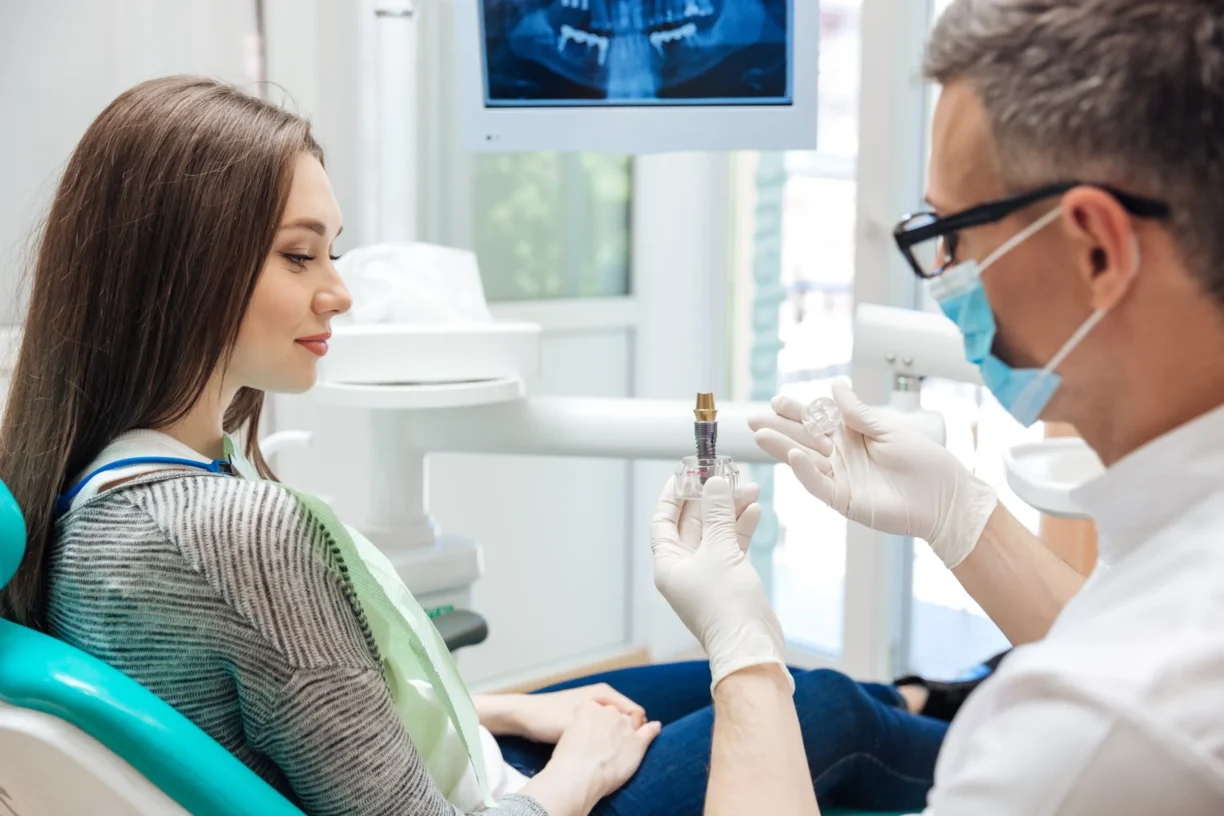
Basic dental care has its place. A clean, a check-up, a filling when needed — all useful. But modern patients should expect more than a quick inspection and a vague instruction to “keep doing what you’re doing,” which is rarely helpful if what you are doing is nervously avoiding the floss drawer.
Better dentistry is preventative. It explains problems before they become expensive, uncomfortable or urgent. It gives patients enough information to make sensible decisions. It turns oral care from a reactive panic into an ongoing part of health maintenance.
That does not mean overcomplicating things. In fact, the best dentists often make things feel simpler. They explain clearly, show you what is happening and help you understand which issues need attention now, which can be monitored and which can be managed through better daily habits.
That clarity is powerful. It makes patients feel involved rather than lectured.
Technology Should Make Dentistry Better, Not Flashier
Dental technology has moved on considerably, and that is good news for anyone who prefers precision over guesswork.
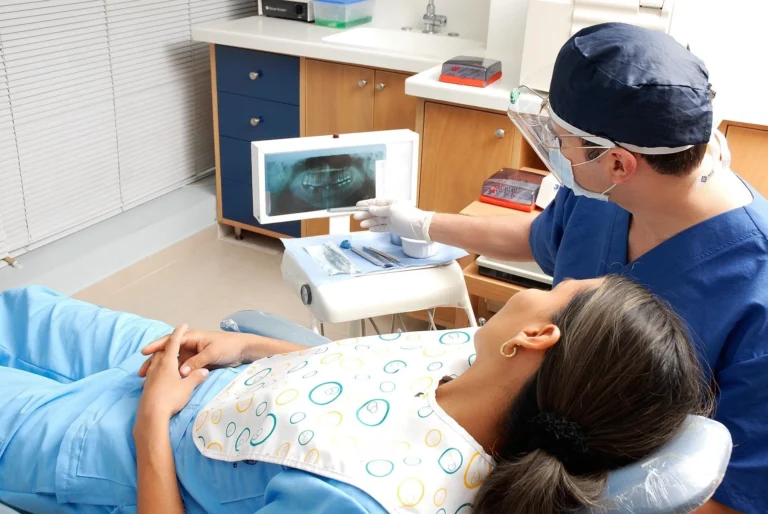
Advanced imaging, modern diagnostics and improved treatment techniques can help identify problems earlier and plan treatment more accurately. This is not about filling a clinic with shiny equipment for dramatic effect. A dental surgery does not need to look like mission control.
The value is clinical. Better tools can support better decisions. Earlier detection may reduce the risk of small issues becoming painful emergencies. More accurate planning can help preserve healthy tooth structure, improve comfort and support longer-lasting results.
For patients, the benefits are reassuringly practical: clearer explanations, fewer surprises, more efficient appointments and treatment that feels considered rather than rushed.
The Best Dentists Understand Anxiety
Dental anxiety is incredibly common. Some people dislike the sound. Others dread the uncertainty. Some have had difficult experiences in the past. Others simply do not enjoy lying back while someone approaches their mouth with the confidence of a jeweller and the tools of a tiny mechanic.
A good dentist knows this.
Anxiety is not improved by rushing, dismissing concerns or treating nervous patients like administrative inconvenience with teeth. It is improved by communication, patience and control.
That means explaining each step before it happens. It means agreeing stop signals. It means discussing pain management properly. It means giving patients time to ask questions without making them feel as though they are holding up the entire national dental system.
Trust begins before treatment starts. When patients know what to expect, fear often becomes more manageable. Not always gone, perhaps, but manageable — and in dentistry, that can make all the difference.
Personalised Oral Care Beats The Conveyor Belt Approach
No two mouths are quite the same, which is probably a mercy. Teeth, gums, habits, budgets, fears and priorities all differ from person to person.
That is why a one-size-fits-all approach to oral care rarely works well.
A stronger dentist-patient relationship is built on personalisation. The right dentist should explain the available treatment options, outline the pros and cons, discuss costs honestly and allow space for proper decision-making. Nobody should feel pushed into a treatment plan they do not understand.
This is particularly important for families, nervous patients and anyone dealing with more complex restorative or cosmetic dental work. A child building early confidence, an adult managing long-term dental maintenance and an older patient protecting function all need different support.
True care means adapting the dentistry to the person, not forcing the person into a rigid treatment template.
Why Consistency Matters
Seeing the same trusted dental team over time can make a major difference. Familiarity improves communication. It helps the dentist understand your history. It also makes it easier for patients to raise concerns early rather than waiting until a minor issue has developed ambitions of becoming a full-blown drama.
Consistency is particularly valuable for people who feel anxious about appointments. The unknown is often the worst part. A familiar environment, familiar faces and a clear process can take some of the sting out of the experience.
The Everyday Value Of Better Oral Health
Oral health affects far more than your smile. It shapes how comfortably you eat, speak, sleep and move through the day. It can influence confidence, mood and social ease. When something is wrong in your mouth, it is astonishing how quickly it becomes the main character in your life.
Good oral care is not vanity. It is maintenance, prevention and quality of life.
It is being able to enjoy food without flinching. It is speaking without worrying. It is smiling without second-guessing yourself. It is not spending the small hours bargaining with a tooth that has chosen violence.
The Final Word
Choosing a dentist deserves more thought than simply picking the nearest available appointment. Convenience matters, but it should not outrank clinical skill, communication, technology, prevention and empathy.
The best dentists do not just repair problems. They help patients understand them, prevent them and feel calmer about managing their health over time.
Your teeth are going to be with you for the long haul. They deserve better than a decision made purely on distance and diary panic.