With the new year in full swing, interest in the latest fitness trends has risen drastically
The surprising benefits of Pilates are having a bit of a moment — and not the flimsy, fad-diet kind. If your New Year’s fitness plan has already started to wobble like a supermarket trolley, the benefits of Pilates might be exactly the steadying hand you need.
Because while the internet loves a shiny new trend, Pilates isn’t new. It’s simply one of those rare methods that’s been quietly getting results while the rest of us are arguing over which gadget “torch” burns more calories than a brisk walk to the kettle.
And right now, interest is soaring. Mirafit says online searches for Pilates are at their highest point in five years, as people hunt for routines they can actually keep up beyond January’s first optimistic fortnight.
So, what is Pilates — really?
Pilates is a holistic workout that blends alignment and posture with breath work. Yes, it’ll hit your abdominals, but it also strengthens and tones the glutes, lower back and hips — the unglamorous supporting cast that decides whether you move like a well-oiled hinge or a rusty garden gate.
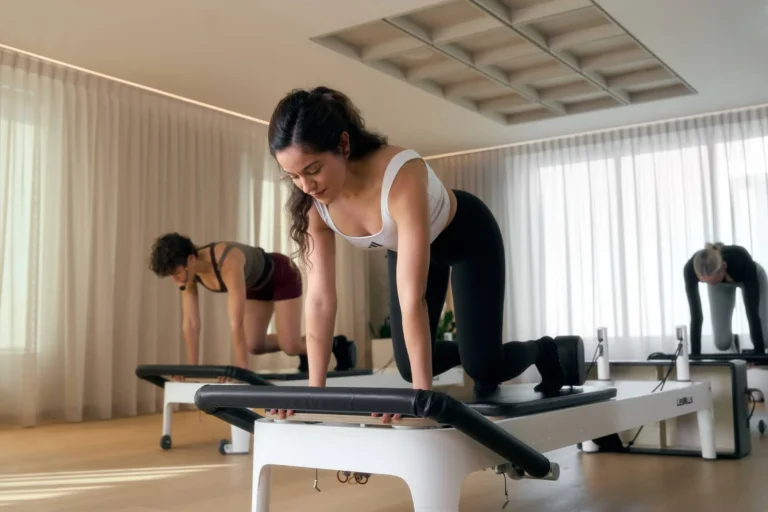
If you’re coming in fresh (or returning after a “brief” break that lasted most of the year), Pilates for beginners has a simple appeal: you can scale it up or down, you can do it at home or in class, and you can leave a session feeling worked… not wrecked.
The surprising benefits of Pilates you’ll actually notice
Mirafit’s strength-training team points to a handful of stand-out gains. Here’s what that looks like in real life:
Better posture (the kind you don’t have to “remember”)
Pilates engages your core muscles, back and pelvic floor to support your spine, taking pressure off areas like the hips and easing tension you tend to park in the neck and shoulders. Over time, it encourages your body to hold itself better — not just when you’re “sitting up straight”, but when you’re distracted, tired, or scrolling.
More definition, without chasing bulk
Pilates isn’t designed to pile on muscle mass. Instead, it works muscles through dynamic stretching to help tone and define. Think length, control, and that quietly athletic look you can’t fake with one heroic gym session.
Mindfulness — without the incense and awkward chanting
Pilates keeps you honest. The breathwork can be tough, and doing the movement properly demands focus. The payoff is that rare feeling of being properly in your body, building strength while your brain finally stops sprinting ahead.
Improved balance, mobility and stability
Pilates opens up tight areas and challenges control. It’s particularly handy for anyone spending long hours at a desk or hunched over a laptop, because it teaches your body to move well again — not just move more.
How to start Pilates without overthinking it
The best option is the one you’ll actually do. Pick the environment where you can concentrate, learn good form, and commit.
1) Local classes
A solid choice if you want immediate feedback on technique, plus motivation that’s harder to ignore when a real human is watching you.
2) Online classes
Ideal if you prefer working out in your own space. Mirafit notes that searches for ’28 day wall Pilates challenge free’ “skyrocketed just days into 2024 by 315%”, which tells you plenty about how many people want structure without leaving the house.
Online also works nicely if you’re at the gym and want to follow a guided session on your phone without being in front of an instructor.
3) Videos and guides
There are loads of paid and free options that let you dip a toe in without paying class prices. A smart entry point if you want to build confidence first — and avoid the classic mistake of throwing yourself into something too advanced, too soon.
How often should you do Pilates?
If you want visible, meaningful change from Pilates alone, aim for three to four sessions per week. Rest days matter — they’re when your body recovers, adapts, and gets stronger.
If you’re starting out, or you’re using Pilates alongside other training, a daily 20-minute session can still make a noticeable difference in strength, control, posture and tone — provided you’re consistent and you’re doing the movements well.
And yes, consistency is the boring answer. It’s also the one that works.
The bigger picture: Pilates is trending, but it’s not a gimmick
Mirafit’s take is that New Year challenges are fuelling the spike — but Pilates has staying power because it delivers benefits you can feel in daily life, not just in a mirror selfie.
A spokesperson from Mirafit commented: “Pilates is an excellent form of exercise that will help you tone your body, keep you in tune with your muscles, and significantly improve your posture.
Pilates has seen an incredible amount of interest online in the past few years, reaching an all-time high just in the past week alone.
Online searches for new workout challenges have become popular around the start of the new year, and interest in Pilates challenges has also increased.
Searches for the ‘Pilates challenge’ have increased by 1,032% over the past five years, proving how keen people are to set a monthly goal to start the year.
Pilates could be the perfect way to help introduce fitness into your daily or weekly routines, so it is worth trying either alongside your other workout routines or solely on its own.”
If you’re after a New Year routine with a bit of history, a bit of discipline, and a genuinely modern payoff, the surprising benefits of Pilates aren’t surprising at all — they’re simply what happens when you do the basics properly, and keep showing up.