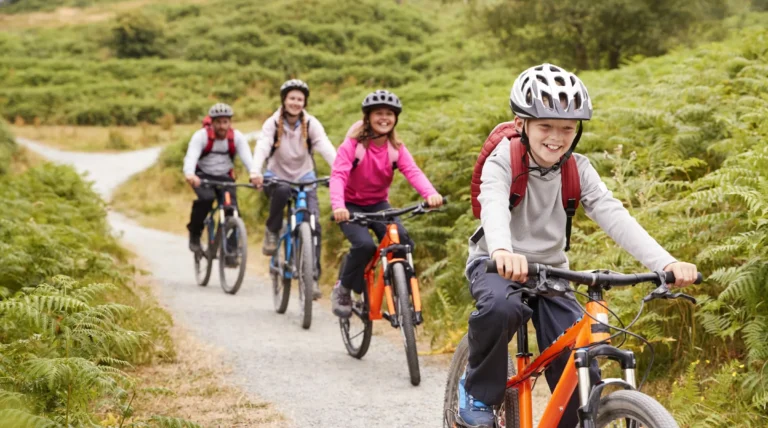
It isn’t just about purchasing the right bike for you; you’ll also need a good helmet and other important accessories.
If you’ve decided it’s finally time to join the two-wheeled tribe, you’re not alone. Searches for beginner cycling essentials have exploded as more people trade train stations and bus queues for a bit of self-powered freedom. And let’s be honest—once you get going, the whole thing becomes addictive.
Still, before you start gliding around town like you’ve just won the yellow jersey, you need the right kit. Not the gimmicks, not the flashy extras—just the gear that keeps you safe, seen and sane.
Cycling looks simple, but like most simple things, it has a habit of getting complicated once you’re the one doing it. To help you cut through the noise, here’s a straight-talking breakdown of the beginner cycling essentials that matter, written with the sort of honesty your mates won’t give you when they’re trying to drag you onto a bike for the first time.
The Right Bike: Your First Real Decision
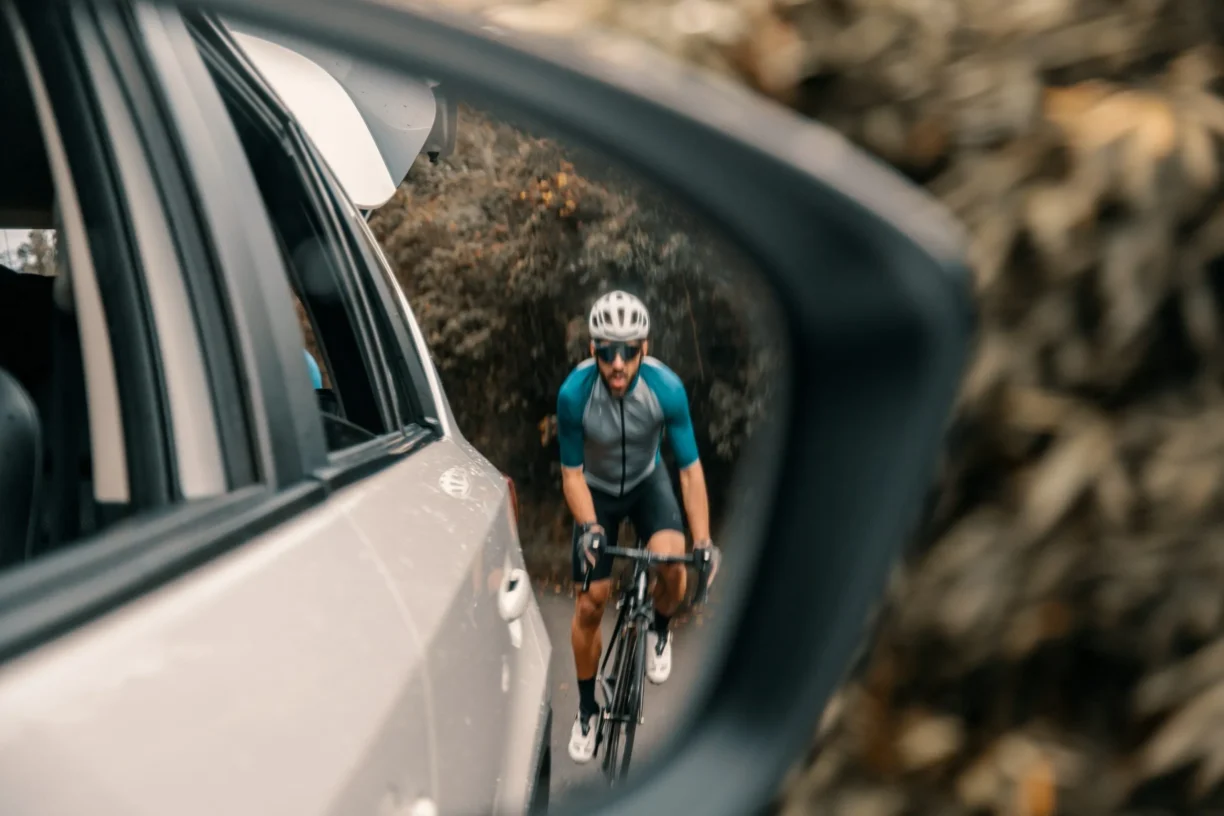
Let’s start with the obvious: you need a bike. Not just any bike—your bike. There are more categories than cable channels: road bikes for speed and tarmac, mountain bikes for mud and roots, hybrids for a bit of everything, and folding bikes for city dwellers who want their wheels under the desk rather than chained up outside.
Where you plan to ride is the deciding factor. Trails? Mountain bike. Weekend park loops or commuting? Hybrid. Endless roads into the horizon? Road bike. If you’re unsure, go to a reputable shop and actually test them. A good bike feels like an extension of your own balance; a bad one feels like you’re wrestling a shopping trolley with a vendetta.
And do not—under any circumstances—guess your frame size. Bikes aren’t T-shirts. Riding the wrong size is a shortcut to knee pain, back issues and general misery.
A Safety Helmet: The One Thing You Never Ride Without
Cyclists love arguing. Helmets, however, are not a debate. If your head hits the deck, you don’t want to rely on luck.
Helmets come in every style imaginable—sleek, chunky, aerodynamic, urban chic—but the only thing that matters is the fit and the certification. As the text rightly puts it: “As long as you can lock it in place and it fits properly, you’ll know you have the right helmet.”
If you’re tempted to choose one based purely on the pattern, take a breath and remember: the tarmac won’t complement your style when you land on it.
A Bike Lock: The Barrier Between You and a Walk Home
A bike without a lock is a gift to the nearest opportunist thief. It doesn’t matter if you live in a sleepy suburb or a town where even the pigeons look suspicious—your bike needs armour.
Look for a strong D-lock or a heavy-duty chain. Cheap locks get snipped faster than you can say, “I was only inside for a minute.” A solid lock gives you the confidence to leave your bike outside a shop without rehearsing fight scenes in your head.
Even “the safest towns in America,” as the original text warns, aren’t safe enough to trust strangers with an unlocked bike.
Cycling Insurance: The Thing New Cyclists Don’t Think About
You don’t plan for accidents, but they have a talent for showing up uninvited. Cycling insurance is the quiet essential—you don’t realise how important it is until you need it.
“With the right cycling liability insurance coverage, you can protect your bike and yourself if something were to go wrong.”
Accidents involving vehicles or other cyclists can be expensive, stressful and occasionally ugly. Insurance takes the sting out of the legal side so you can focus on healing, not invoices.
Reflective Gear: Because Visibility Saves Lives
Night riding isn’t just “cycling in the dark.” It’s cycling in a world where every driver’s attention is stretched thin. Reflective jackets, helmet patches, ankle bands, bag covers—use whatever makes you stand out.
Even if you swear you’ll only ride in daylight, life has a way of surprising you. A long lunch. A detour. A flat tyre. Suddenly you’re pedalling home at dusk, hoping you’re visible enough not to become a bad headline.
Reflective gear is cheap, lightweight and takes up no space. It’s a no-brainer.
A Water Bottle: Hydration Is Not Optional
Cycling might feel effortless at first, but give it half an hour and your body will demand payback. Staying hydrated is the difference between cruising home comfortably and grinding through the last mile like you’re dragging a cart.
Some bikes come with a bottle cage. If yours doesn’t, buy one. They cost next to nothing and mean you won’t have to awkwardly carry a bottle in your backpack, where it inevitably leaks.
A Bike Pump: Not Glamorous, But Absolutely Essential
There’s nothing heroic about pushing a flat bike home. A pump is one of those unglamorous purchases that saves you more times than you’ll admit.
Off-road riders get punctures more often, but even city streets harbour glass, nails and tiny bits of debris that will eventually find their way into your tyres. Keep a pump at home and learn how to use it before you need it.
A quick top-up now and then keeps your tyres firm, your speed consistent and your accidents minimal.
Ready to Ride
Gather these essentials and you’ve already solved most of the headaches that catch new cyclists off guard. Once you’ve built this toolkit, you can head out for that first proper ride with confidence—not nerves.
Before long, you won’t just be keeping up with your friends. You’ll be leading the pack.