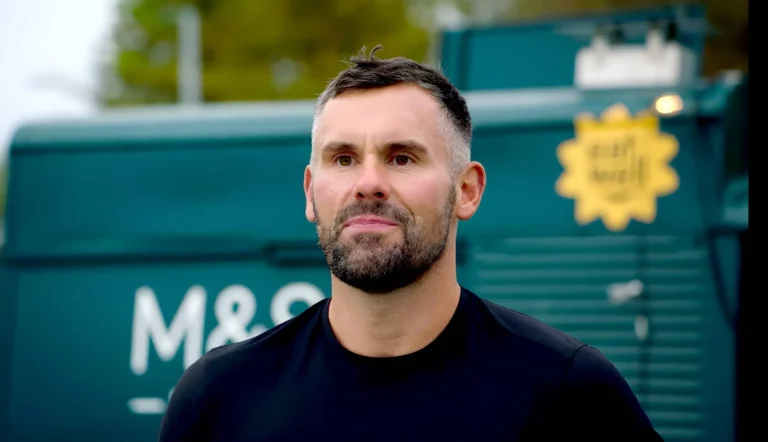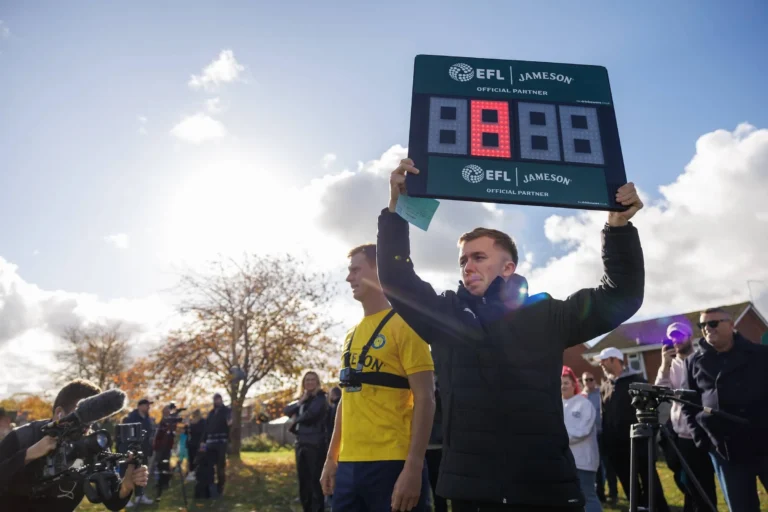
The former Rangers and Scotland striker has swapped goals for a spot of post-training cooking at Largs Colts FC, helping M&S Food bring healthier eating into the grassroots game.
Ally McCoist has spent plenty of years making his mark on football. On his latest trip to Largs, however, the former Rangers and Scotland striker found himself tackling something rather different: a pan of creamy tomato pasta and a group of hungry young footballers.
McCoist joined M&S Food Senior Nutritionist Sophia Thistlethwaite at Largs Colts FC, cooking a healthy post-training meal for the club’s young players before putting his famous commentary skills to work during a training session alongside volunteer Megan Salvadori.
The visit formed part of M&S Food’s Eat Well, Play Well: Grassroots Edition campaign, which aims to help grassroots clubs make healthier eating more accessible through straightforward, family-friendly recipes.
And while having a Scottish football favourite turn up at training is quite an occasion, the more useful part of the visit concerned something that rarely gets the same attention as passing, shooting or defending.
What young players eat once the boots come off.
Ally McCoist’s Return to Largs Comes Nearly 50 Years After His Scotland Days
For McCoist, there was a personal connection to the visit.
Back in 1977, he trained at a facility in Largs with the Scotland Under-17 national team. Almost five decades later, he was back in the town, this time helping youngsters enjoy the game while learning a little more about the importance of eating well.
And the footballing landscape has changed considerably in the intervening years.
Reflecting on how nutrition was approached during his playing career, McCoist said: “It was always important for us to eat well before a game, however not so much after a game. But nowadays it’s absolutely vital to get the fuel and energy back in.”
It is a point that will sound familiar to anyone involved in youth sport. Training sessions are planned, tactics discussed and fitness developed, but what happens around those sessions can receive considerably less attention.
At Largs Colts, the opportunity to bring those conversations together came with a practical demonstration rather than a lecture.
McCoist also highlighted the importance of clubs like Largs Colts to Scottish football, noting that “Largs themselves have got the best part of 250 kids which is wonderful for the area.”
For those youngsters, the value of the club reaches beyond developing their footballing ability. It is also somewhere to make friends, enjoy being part of a team and build a lasting connection with sport.
The Grassroots Football Nutrition Gap Coaches Still Face
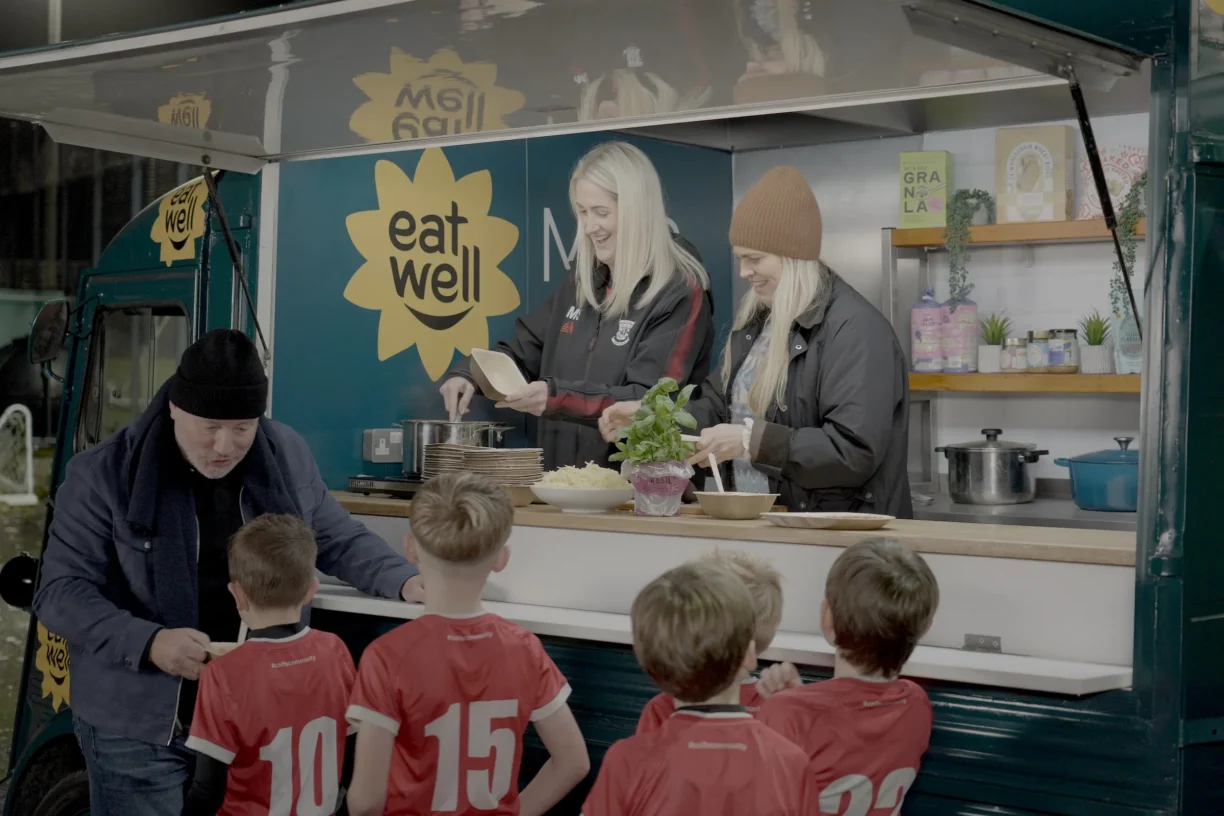
The question of what to feed young footballers is not necessarily one that volunteer coaches feel equipped to answer.
Research commissioned by M&S Food, involving more than 200 grassroots football coaches, found that 31% would welcome nutrition training to help develop their knowledge. Yet only 15% of those surveyed felt confident advising players or parents on nutrition.
Those figures reflect respondents’ confidence and interest in further training, rather than measuring what young footballers actually eat. Nevertheless, they point to a practical issue for clubs that already depend heavily on volunteers.
Coaches are often expected to handle everything from technical development to matchday organisation. Adding specialist nutrition advice to the job description is quite another responsibility.
The problem has featured throughout M&S Food’s wider Eat Well, Play Well grassroots initiative, with previous visits bringing the subject into clubhouses around the country.
As highlighted in Sustain Health’s earlier coverage of grassroots football’s nutrition confidence gap, having enthusiastic volunteers does not automatically mean they have the knowledge or resources to advise families about food.
That is where practical guidance, rather than complicated nutritional targets, could prove useful.
Healthy Eating Without Turning Dinner Into a Science Lesson
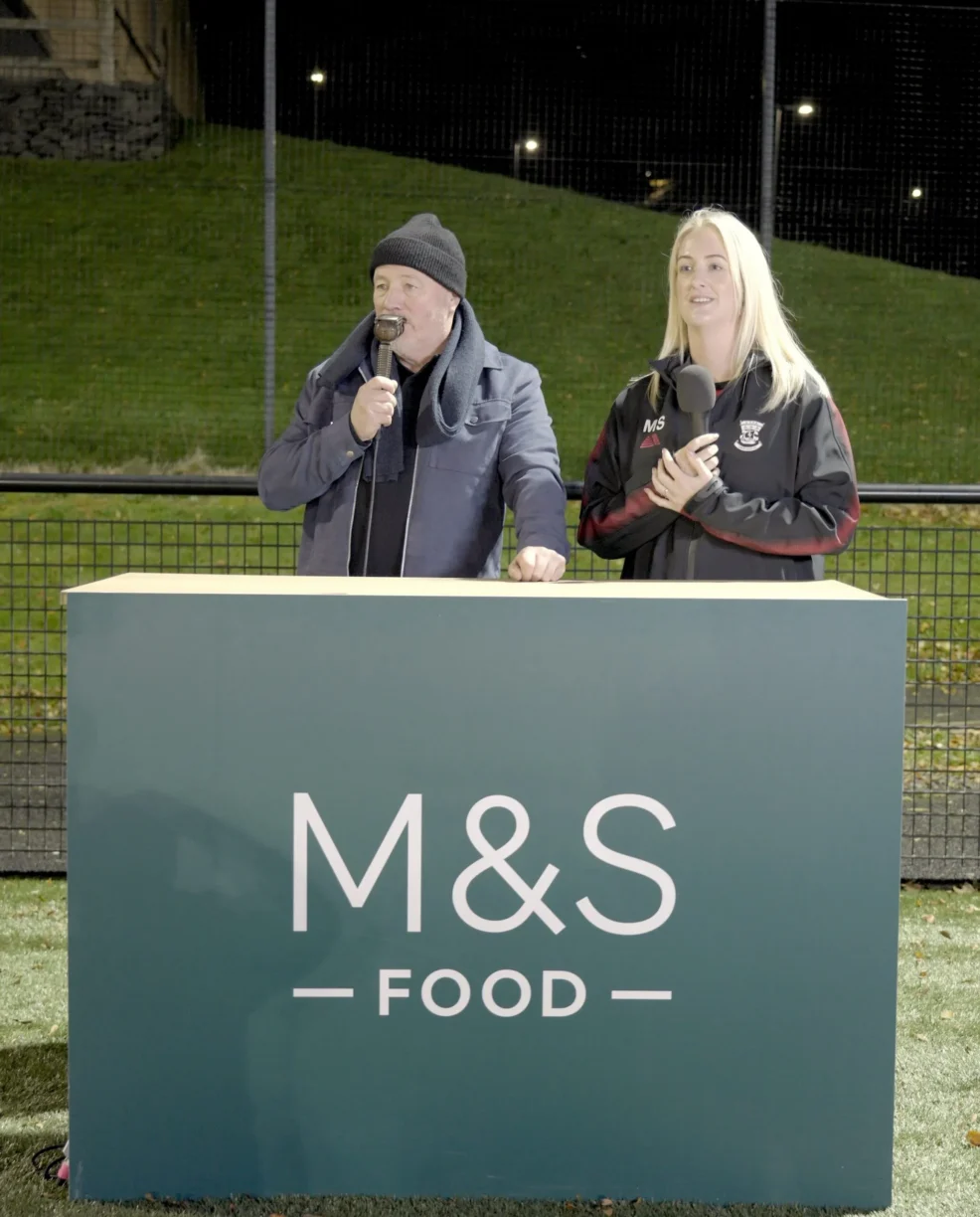
At Largs Colts, McCoist and Thistlethwaite demonstrated how a simple, creamy tomato pasta could provide young players with something to enjoy after training.
The idea was to make healthier eating approachable for the children, parents and volunteers who might want to recreate similar meals at home or within their clubs.
Sophia explained: “It has been lovely to spend time with the players at Largs Colts and show them that eating well doesn’t have to be complicated. With a few simple, nutritious ingredients, you can create meals that are both delicious and help young players refuel after training.”
There is a sensible distinction here.
Helping families understand how to prepare a nutritious meal is one thing. Expecting every grassroots coach to become a qualified sports nutritionist is quite another.
For clubs working with limited time, budgets and volunteer support, advice needs to be realistic enough to put into practice. A recipe that can be prepared without specialist equipment or a lengthy list of unfamiliar ingredients is a more manageable starting point.
M&S Food is developing practical, affordable recipes for grassroots clubs, with resources available to download through its Eat Well, Play Well campaign website.
The initiative is also continuing throughout the season, featuring selected clubs around the UK in a weekly social media series.
The Volunteers Who Keep Largs Colts Going
Of course, no grassroots football club runs on healthy pasta alone.
The volunteers who organise training, support families and keep children involved remain central to the whole operation.
At Largs Colts, Megan Salvadori spoke about the club’s long-standing place in the local community, with roots stretching back to 1975.
Her contribution to the day extended to joining McCoist during training as he tried his hand at commentary, although having the former Rangers striker around was clearly something of a family occasion too.
Megan admitted that McCoist “may or may not be my dad’s hero”, explaining that her family are “massive Rangers fans”.
It is the sort of connection that makes a visit like this memorable for more than the children taking part.
McCoist himself recognised the importance of bringing young players together, praising the sight of children “together enjoying themselves, whilst also getting healthy food, that is important, with energy being put back into them immediately after a training session”.
And that is perhaps the most worthwhile aspect of the initiative.
Football gives youngsters a reason to turn up, stay active and spend time with their friends. Clubs such as Largs Colts give them somewhere to belong, supported by people willing to devote their time to keeping it all going.
Helping those same clubs make sensible food choices a little easier is a useful addition.
McCoist may have provided the star attraction, but the volunteers will still be there when the cameras have gone home. Making sure they have practical support is what will matter long after the pasta has been cleared away.