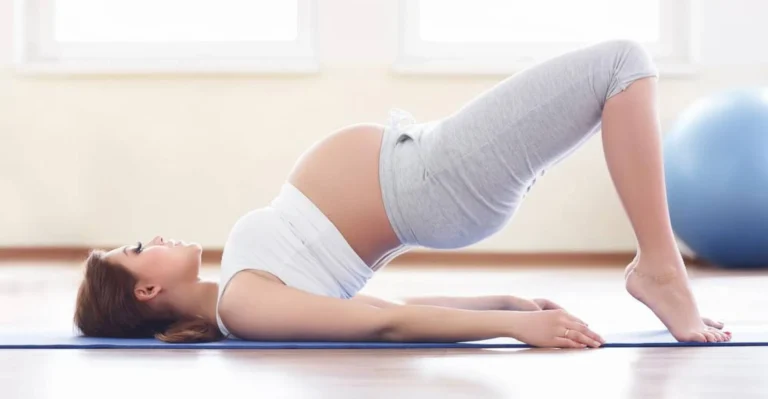
Pilates helps women build strength, ease pregnancy aches and support recovery after birth with control, confidence and smart movement.
Pilates is often mistaken for the sort of gentle exercise that merely whispers encouraging things while you lie on a mat and breathe at the ceiling. In reality, particularly during pregnancy, it can be rather more useful than that. As the body shifts, stretches, aches and generally behaves like it is redesigning itself on the move, Pilates offers something many expectant mothers badly need: control, strength and a sense that the whole machine has not entirely gone rogue.
Pregnancy does not exactly arrive with a user manual. It brings a swelling catalogue of physical changes, a chorus of advice from every direction, and a fair bit of uncertainty about what exercise is safe, sensible and worth the effort. For Pilates instructor Ceza Ouzounian, the answer was not to retreat from movement, but to work with it.
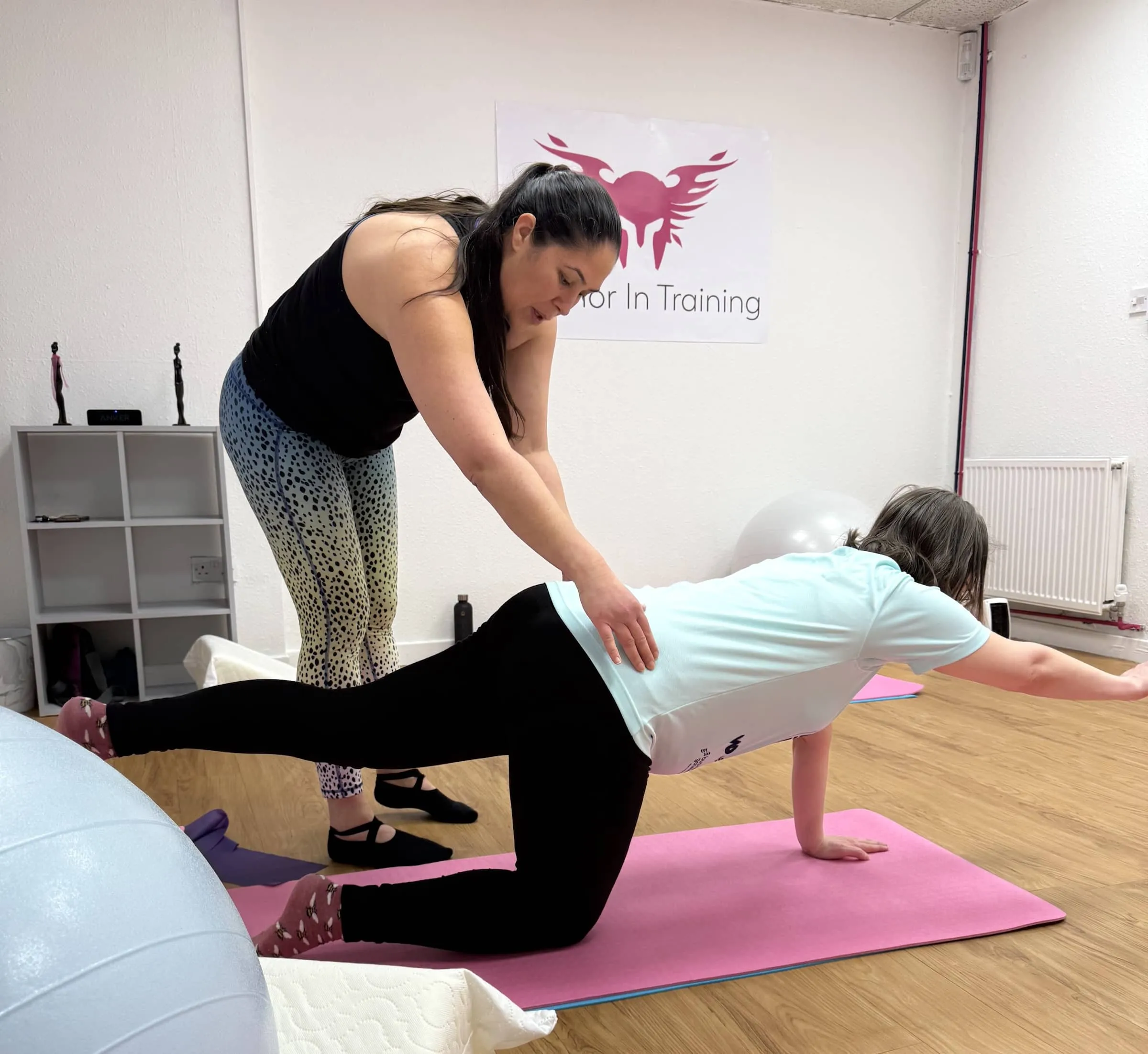
Based in Paisley, Scotland, Ouzounian practised and taught Pilates through her own pregnancy and now advocates it as a practical, intelligent form of exercise for women preparing for birth and recovering after it. Her case is not built on airy wellness slogans or mystical promises. It is built on function.
Why Pilates works during pregnancy
At its best, Pilates is not about chasing sweat for the sake of it. It is about training the body to support itself better. During pregnancy, that matters.
As the centre of gravity shifts and the abdominal wall stretches, posture tends to suffer. Hips can tighten, the lower back can complain bitterly, and the pelvic floor is suddenly doing a job with considerably higher stakes. Pilates targets the deep stabilising muscles that help hold everything together, particularly the transverse abdominis and pelvic floor, while also improving mobility, breathing mechanics and body awareness.
Ouzounian explains it simply: “There are a lot of changes happening in the body during pregnancy and Pilates can help keep pelvic floor and transverse abdominal muscles strong as well as helping relieve common aches and pains like hip pain and backache,” says Ceza. “One of the best things about Pilates is the way it allows women to reconnect with their body, training them to focus on their breath and controlled, intentional movements, which calms the nervous system, improves body awareness and builds confidence.”
That, in truth, gets to the heart of it. Pilates is not merely about muscles. It is also about composure.
The five reasons Pilates stands out
Ouzounian highlights five reasons every pregnant woman should consider building Pilates into her routine, and they are refreshingly free of nonsense.
A stronger, more supportive core
This is not about chasing visible abs while pregnant, which would be absurd. It is about strengthening the deeper muscles that support the spine, pelvis and growing bump. A more responsive core can help the body cope with the load it is being asked to carry.
Relief from everyday aches and pains
Pregnancy can bring hip pain, back ache and a feeling that the body has become slightly unfamiliar territory. Pilates helps by improving movement patterns, reducing strain and encouraging better muscular support where it is most needed.
Greater trust in a changing body
There is something quietly powerful about understanding how your body moves when everything is changing by the week. Pilates asks for concentration, control and breath awareness, which can help women feel more connected to themselves rather than simply at the mercy of symptoms.
Better posture as balance shifts
Pregnancy alters the body’s centre of gravity, which can turn standing, walking and sitting into a running negotiation between muscles that are trying to keep up. Pilates encourages alignment and postural strength, both of which can make everyday movement feel less awkward and less tiring.
Training the nervous system as well as the muscles
This may be the least flashy benefit and the most important. Breath-led, controlled movement can calm the system, reduce tension and improve body awareness. In a season of change that can feel physically and emotionally noisy, that has real value.
Beyond pregnancy: where Pilates matters most
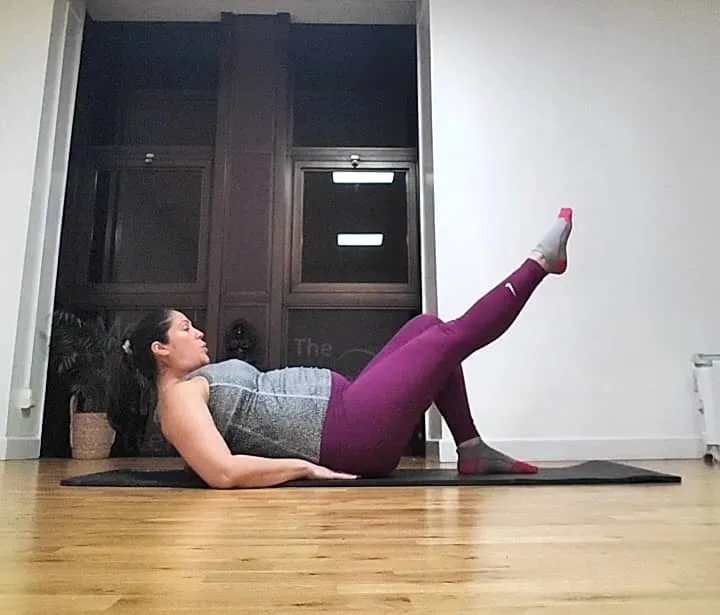
The article becomes more compelling when it moves beyond theory and into recovery, because that is where Ouzounian’s own experience gives it weight.
“Pilates helped me recover from a 3rd degree tear during labour.”
That is not a slogan. It is a blunt account of what happened after childbirth.
After a forceps delivery, Ouzounian was taken to theatre and left with an episiotomy and a 3rd degree tear. In the days that followed, the effects were severe and deeply practical: weakened pelvic floor muscles, reduced bladder control, compromised core strength and difficulty sitting up or carrying anything even slightly heavy.
Because she had continued teaching Pilates throughout pregnancy, she already had a strong sense of how to recruit and control the deep core and pelvic floor muscles. After giving birth in February 2024, that knowledge became more than useful. It became essential.
Why recovery should be part of the conversation
Too often, postnatal discomfort is treated as one of motherhood’s unavoidable little gifts, something to be tolerated with a shrug and a cup of tea gone cold. That attitude does women no favours.
According to the information provided, 30 to 45 per cent of women experience back pain after birth. Around 30 per cent suffer incontinence after childbirth, with the figure rising to more than 50 per cent for those with 3rd or 4th degree tears. Those are not marginal complaints. They are common, disruptive problems that can affect confidence, comfort and day-to-day life.
That is precisely where Pilates earns its keep. It teaches women how to engage the pelvic floor and transverse abdominis effectively, while also strengthening the wider system that supports posture, spinal stability and efficient movement. In plain terms, it can help the body recover with more structure and less guesswork.
For Ouzounian, the results have been personal. Her pelvic floor muscles are strengthening, and she believes Pilates has played a central role in preventing the kind of serious back problems and incontinence that might otherwise have followed.
Pilates is not a miracle cure — but it is a smart tool
There is a tendency in health coverage to oversell everything until it sounds like either a revolution or a scam. Pilates is neither. It will not make pregnancy effortless, nor will it spare every woman every ache. But it does offer a credible, practical way to improve strength, posture, mobility and confidence during a period when all four can come under pressure.
What makes Pilates especially valuable is its intelligence. It does not demand reckless effort. It asks for attention. It rewards consistency. And it gives women a framework for understanding their bodies at a time when that understanding can be both reassuring and empowering.
A steadier way through pregnancy and beyond
For many women, pregnancy can feel like an extended negotiation with gravity, hormones and anatomy. The body changes quickly, the advice comes thick and fast, and recovery after birth can be harder than expected. Pilates will not solve every challenge, but it can make the road less chaotic and the body more resilient.
That may be the strongest argument of all. Not that Pilates is fashionable, or gentle, or widely recommended, but that it helps women feel stronger in their own skin when their bodies are doing something extraordinary. And in a world full of noise, that sounds like something worth paying attention to.