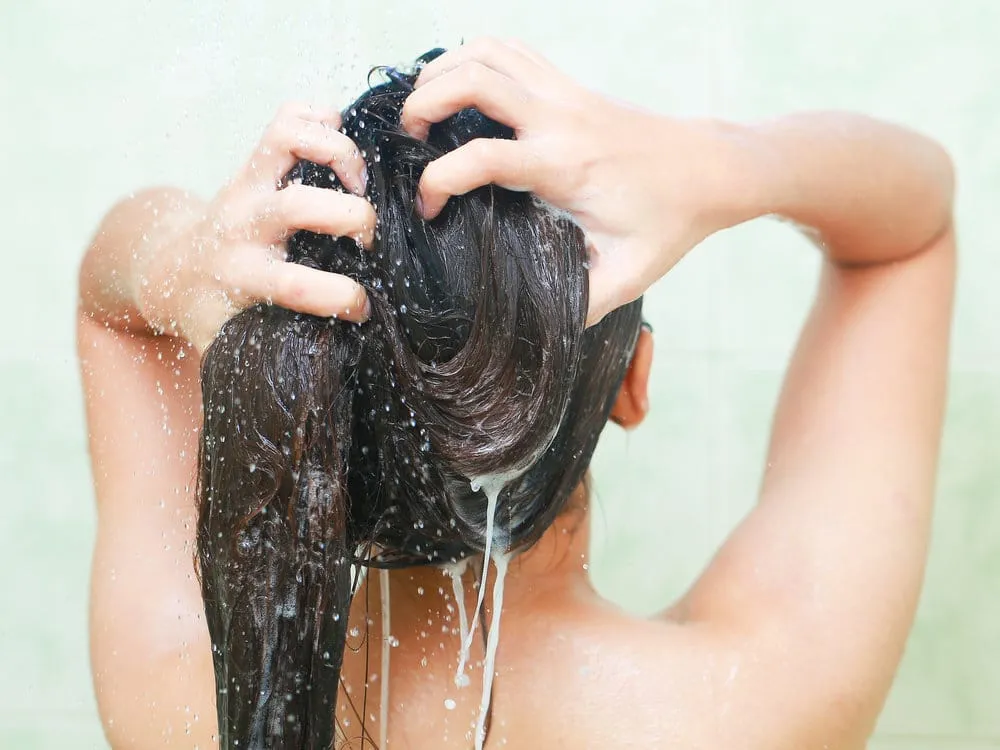
Seven quick, humidity-fighting hair tips for bouncier curls—plus pros, cons, who it suits, and value breakdown.
Humidity has a special talent for turning hair into a personal science experiment—particularly if yours comes in coils, waves, ringlets, corkscrews, or the occasional “I’ve made my own decisions today” spiral. Lizzie Carter, founder and director of Only Curls, has a simple thesis: the difference between a good curl day and a frizz-led mutiny often comes down to small, repeatable tweaks in your wash-and-style routine—especially when time is tight and the weather is doing its worst.
Curly hair doesn’t usually need more drama; it needs more method. Think hydration, gentle handling, even distribution of product, and drying that doesn’t rough up the cuticle. Carter’s steps lean heavily on curl-friendly fundamentals: detangle with slip, lock in moisture while the hair is soaking wet, then set definition and dry with minimal disturbance.
The problem this routine is trying to solve
If you’ve ever watched your curls expand like a soufflé the moment you step outside, you already know the enemy list: humidity, friction, and inconsistent product application. The routine below targets three practical pain points for curly hair:
- Frizz and puff caused by raised cuticles and moisture uptake
- Loss of definition from uneven product distribution
- Slow drying that invites frizz and collapse (especially in damp air)
It’s less “miracle” and more “repeatable process”—which is where trustworthy routines live.
The seven-step system, in Carter’s own words
Carter’s tips are direct, technique-led, and designed to be done quickly. Here they are, exactly as she sets them out:
- Condition and comb
“Apply a good palm full of conditioner (the Only Curls All Curl Conditioner, £16.00 from onlycurls.com is ideal) and rake through using your fingers, detangling as you go.
Grab a wide-tooth comb such as the Only Curls Pink Speckle Comb (£8.00 onlycurls.com) and gently comb the conditioner through your curls.
It can take a few minutes to completely detangle your curls, so this gives the conditioner a nice amount of time to soak in and do its job!
Tip your hair forward and scrunch with your hands. This forces the water and conditioner into the hair giving maximum hydration. Rinse thoroughly.”
- Keep hair hydrated
“While your hair is still soaking wet, apply a hydrating curl cream such as Only Curls
Hydrating Curl Crème (£16.00, OnlyCurls.com). The hair cuticles are smoothest when wet, so applying product at this point is a good way to begin the process of lovely smooth and frizz-free curls.
Rake the creme through with your fingers, then with your palms together and hair in between, smooth down each section. This will ensure the product is evenly distributed.
You might see the term ‘praying hands’ flying around on social media for this application method. Tip your head forwards and scrunch again to form the curls.”
For curly hair styling tips, I also recommend reading https://www.britishcurlies.co.uk
- Scrunch Dry
“I recommend scrunch drying with a microfibre towel at this point to help speed up the drying process. Microfibre yarns are incredibly smooth and won’t roughen up the cuticles, so this method of drying (vs a regular cotton towel) is a real frizz buster.
Gently scrunch using the towel, holding each scrunch tightly for a couple of seconds. This will help form lovely bouncy curls. Try the Only Curls Hair Towel (£17.00, OnlyCurls.com).”
- Define and Diffuse
“Apply some Enhancing Curl Gel such as the Only Curls Enhancing Curl Gel (£16.00, OnlyCurls.com) to help define and hold. Again scrunch this into your curls in section, using your hands. Dry your curls using a diffuser on a low heat, medium speed setting.
Dry in large sections by tipping your hair into the bowl and lifting up towards your roots. Dry until your hair is around 90% dry, then leave to air dry.”
- Scrunch out the crunch
“If you find that the gel has formed a little cast around your curls, this can simply be scrunched out with a little Coconut Oil. Warm the oil between your palms and then gently scrunch to break the cast and let your curls free!” - Deep condition
“It’s a good idea to deep condition every so often to hydrate deep into the hair shaft. Apply this in the shower or bath and the warm steamy environment will open up the cuticles and help the conditioner to penetrate. Leave for around 20 minutes for maximum hydration.” - Refresh between washes:
“Between washes, try refreshing your curls. Create a spritz bottle of water mixed with conditioner and use this to evenly dampen the hair. Scrunch in a small amount of gel to redefine the curls and diffuse dry.”
Why these steps work in the real world
There’s a practical logic here that curly hair tends to reward:
- Detangling with conditioner reduces breakage and snagging—especially on tighter curl patterns.
- Applying cream on soaking-wet hair helps with slip, clumping, and smoother cuticles (translation: less halo frizz).
- Microfibre instead of cotton reduces friction—the silent saboteur of definition.
- Gel + diffuser is the classic hold-and-set pairing: gel provides structure; diffusing speeds drying without flattening curls at the root when done in sections.
- Refreshing between washes acknowledges reality: curls change daily, but you shouldn’t have to start from scratch.
It reads like a routine written by someone who has watched enough damp mornings to know wishful thinking won’t cut it.
Who is this best for?
- Wavy to coily hair types that frizz easily in damp weather
- Anyone who needs consistent definition without spending an hour experimenting
- Curl wearers who like a routine with repeatable steps (wash day + refresh day)
- People who diffuse and want better root lift and clumping without rough drying
If your hair is very fine and easily flattened, you’ll likely want a lighter touch with creams/oils and to be disciplined about amounts.
Is it worth it?
As a value proposition, the strongest case isn’t any single bottle—it’s the system: detangle gently, apply product while the hair is wet, minimise friction, set the curl, then refresh smartly. Those principles travel well even if you swap in comparable products you already own.
If you’re someone who repeatedly loses definition to humidity, this is the sort of routine that can reduce trial-and-error—and that alone can be worth more than another half-used jar under the sink.
The takeaway
Curly hair doesn’t need to be “tamed.” It needs to be understood—then treated with the sort of calm, consistent handling that makes even a muggy forecast feel less like a threat and more like background noise. Get the moisture in, keep the friction down, set the shape, and let the curls do what they were always trying to do—just with fewer interruptions from the weather.