Vitality and Maro Itoje launch Give2Move to turn unused trainers into a route back into sport and fitness.
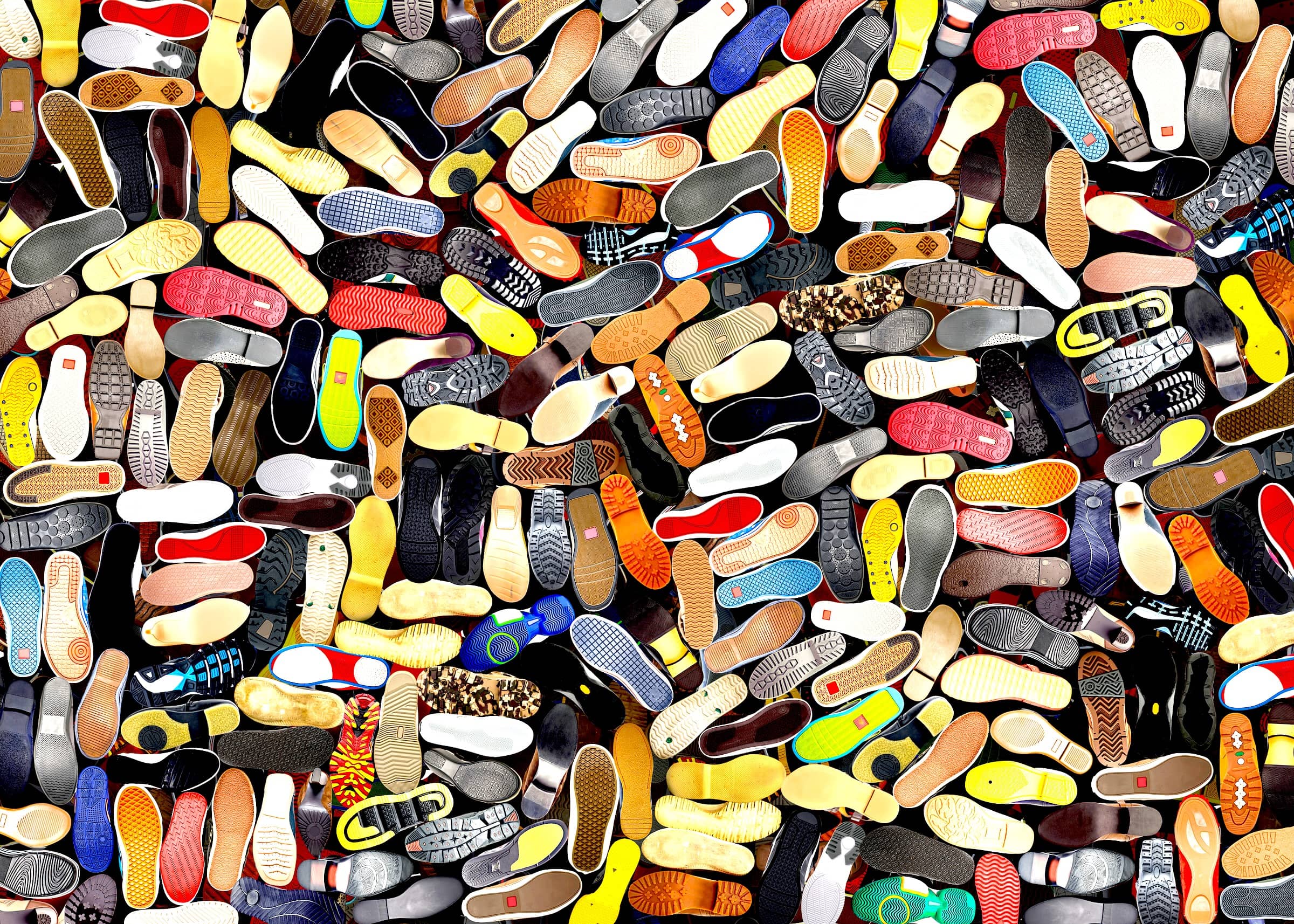
Britain is sitting on a mountain of unused trainers — not in warehouses, not in shops, but in cupboards, hallways, wardrobes and those mysterious under-stairs zones where good intentions go to quietly expire.
New research from Vitality Health and Life Insurance estimates that 114 million pairs of unused trainers are currently tucked away across the UK. That is a staggering number of shoes doing absolutely nothing, unless we now count “gathering dust beside a gym bag from 2018” as a recognised form of exercise.
The average Brit owns five pairs of trainers, yet 77% admit they mainly stick to one favourite pair. Almost a third say they have pairs still in their original packaging that they will never wear, while 31% reckon they have enough trainers in the cupboard to wear a different pair every day of the week.
For some, that is harmless clutter. For others, it could be the difference between getting active and being priced out before they even reach the start line.
The Cost Of Getting Active Is Becoming A Real Barrier
The problem is not that Britain has forgotten how to move. It is that, for many people, getting started now comes with a price tag.
According to Vitality, more than half of Brits say they have struggled to afford trainers, while 35% admit the cost of sports kit has affected their ability to exercise or stay active.
That is where the disconnect becomes hard to ignore. In one home, a pair of good-quality trainers sits untouched “just in case”. In another, someone does not have the basic kit needed to join a run club, attend a fitness class, walk more regularly, or feel comfortable turning up to sport.
Over half of people surveyed say they keep trainers that are still in good condition, while nearly half hold onto pairs “just in case”. That little phrase is doing a lot of heavy lifting. In British households, “just in case” has protected everything from broken phone chargers to jeans last worn in the Blair years.
But trainers are different. They have a job. They are built to move.
Maro Itoje Joins Give2Move

England rugby captain Maro Itoje has teamed up with Vitality to launch Give2Move, a new initiative designed to collect unwanted trainers and help remove one of the simplest but most frustrating barriers to physical activity.
The goal is ambitious: collect 1 million pairs of trainers over five years to help more people across the UK get moving.
Itoje helped launch the campaign at Battersea parkrun, where more than 1,000 runners took part. It was a fitting place to start. Parkrun, after all, is sport with the snobbery stripped out — a weekly reminder that fitness does not need velvet ropes, laminated membership tiers, or changing rooms that smell faintly of eucalyptus and judgement.
Maro Itoje says: “Staying active should be something everyone can access, but for some people, not having the right kit can be a real barrier. I know first-hand how important regular activity is for both mental and physical health, which is why it’s so important we all come together to break down the barriers that exists to getting active. Being part of Give2Move means I can be part of this movement to ensure no one can say that trainers are why they are not moving more.”
Why Trainers Matter More Than We Think
A pair of trainers will not solve the nation’s health inequalities on its own. No shoe, however springy, has yet been known to dismantle structural deprivation before breakfast.
But access matters.
Vitality says keeping active is a critical factor in living a healthier life, with a mortality reduction of up to 57% available for people who move from an inactive lifestyle to an active one. The campaign also arrives against a backdrop of widening physical activity gaps between the most and least deprived communities.
That makes unused trainers more than a domestic storage issue. They are a practical resource hiding in plain sight.
Dr Milly Marshall, Medical Advisor at Vitality, said: “Regular physical activity is one of the most important things we can do for our overall health, helping to reduce the risk of chronic conditions, supporting our mental wellbeing and helping us live longer in good health.*** But for some people, not having the right kit, including access to trainers, can be a genuine barrier to getting active. Initiatives like Give2Move can play an important role in helping to remove that barrier and make activity more accessible to more people.”
From Cupboard Clutter To Community Movement
The public appetite appears to be there. Nearly half of the population say they would donate trainers if it helped someone else get active.
That is encouraging, because Give2Move is not asking people to do anything especially complicated. It is not demanding a lifestyle overhaul, a sponsored silence, or a pledge to start every morning with lemon water and a 5K.
It is asking people to look at the trainers they no longer wear and consider whether someone else could put them to better use.
Vitality has launched Give2Move in partnership with Shoe Aid and JogOn, with donation points set to be made available at Vitality Partners across the country. More details are expected through Vitality.co.uk.
A Simple Idea With A Long Stride
There is something pleasingly direct about Give2Move. It takes a familiar household habit — keeping shoes we do not use — and connects it to a genuine public health problem.
The idea is not polished into oblivion. It does not need to be. Britain has millions of unused trainers sitting idle, while plenty of people are struggling to afford the kit that could help them walk, run, train, play, or simply start again.
That is the beauty of it.
One person clears a cupboard. Someone else gets moving. And somewhere in between, a pair of trainers finally remembers what it was made for.
For more information on Give2Move, visit: vitality.co.uk/about/sustainability/give-to-move/