Under-40s spend £6,648 yearly on viral wellness fads—yet crave simpler habits. Pukka says nature wins.
It used to be enough to cleanse, tone and moisturise. Drink your water, get some sleep, move your body, repeat. Now? For Brits under 40, feeling “well” has become a full-time admin role—one that comes with a monthly bill and a running commentary from your “For You” page.
A new report suggests the average British woman is spending £554 a month on looking and feeling her best—£6,648 a year—with men not far behind at £431, across everything from skincare products to Botox and Ozempic. And the contradiction at the heart of modern self-care is this: 94% of those surveyed say we need to take a step back and return to basics, even as routines swell into a carousel of serums, supplements, shots and “viral” fixes.
In other words, the modern wellness economy has achieved something truly impressive: it’s turned looking after yourself into something you can fail at.
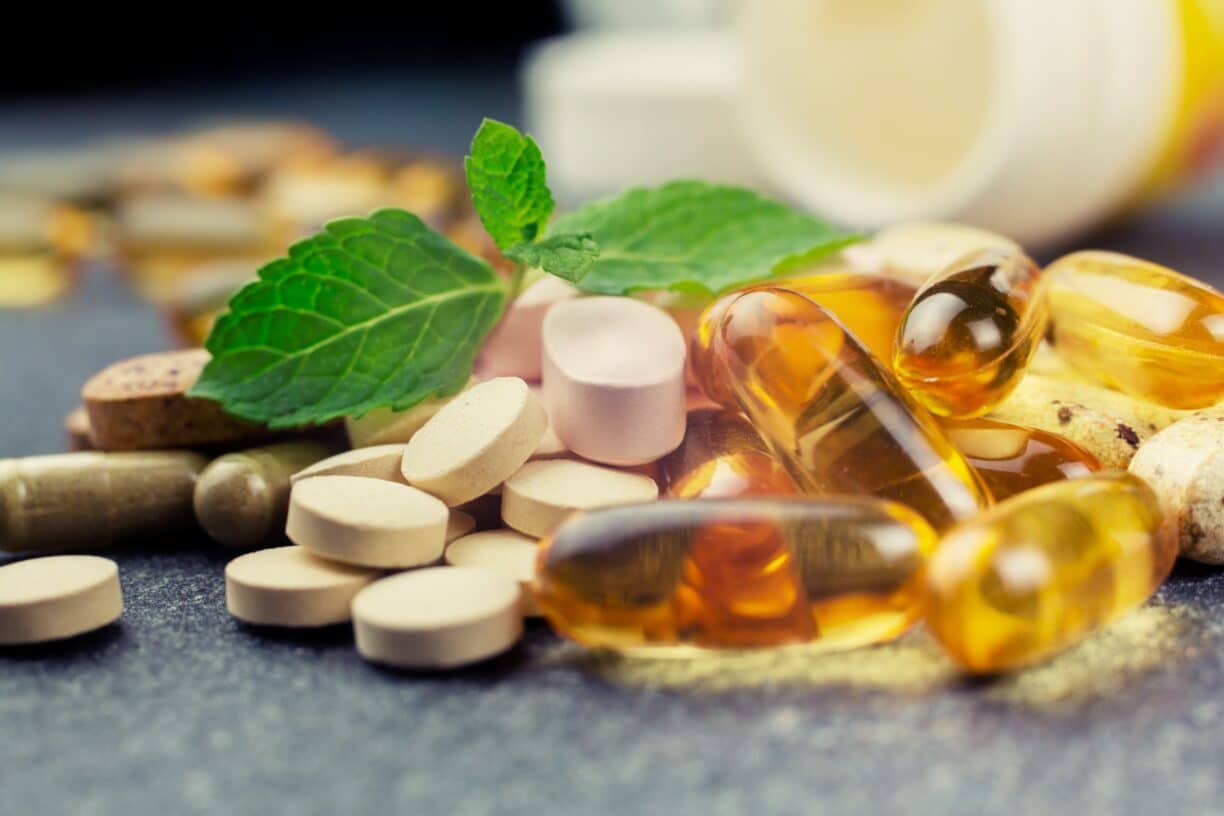
The study—based on polling 2,000 adults for Pukka Herbs—shows almost half (48%) now keep a regular self-care routine. That might sound sensible until you look at what “routine” means in 2026. 37% say they’re using skin-boosting collagen, 31% are taking expensive multivitamins or vitamin injections popularised by celebrities, and an equal number have been encouraged to take gut health supplements. At this point, wellness isn’t a habit. It’s a supply chain.
If you’re wondering how we got here, glance at the feed. The average under-40 believes 25% of their Instagram or TikTok “For You” page is taken up by self-care, beauty and fitness fads. More pointedly, 42% say they’re regularly targeted with ads for seductive “miracle” or “viral” wellness products—and 48% are shown ads for weight loss solutions.
The pitch is rarely “this might help.” It’s “this will change everything.” And that’s where the modern wellness machine earns its money: not by selling a product, but by selling certainty. Certainty that you can fix your skin, your energy, your mood, your body composition, your gut, your sleep, your hormones, your hair—preferably by Friday.
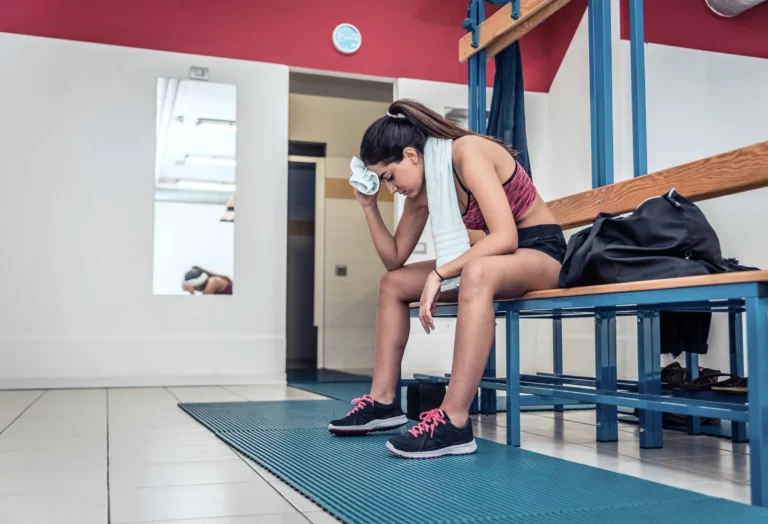
It’s no wonder that over half (52%) of respondents say they find it overwhelming trying to keep up with modern-day wellness and beauty trends. A quarter (25%) admit they’re spending more than they should on looking younger and feeling better, while 21% routinely find themselves falling for claims that a product is “the answer” to all their problems.
If that sounds harsh, it’s also deeply human. You can only be told so many times that your face is “tired”, your gut is “inflamed”, your cortisol is “spiking”, your metabolism is “broken”, your collagen is “declining” and your body is “holding onto weight” before you start to wonder if you’re one purchase away from becoming the version of yourself who finally has it all handled.
The most-bought item in the past few years? Collagen supplements (49%), followed by probiotic skincare (36%)—two categories that sit perfectly at the intersection of modern beauty logic: beauty from within, science-coded language, and the promise of “quiet” transformation. Yet the mood isn’t pure devotion. Almost a quarter (23%) admit they’ve been duped into buying the latest wellness product, only to feel completely underwhelmed by its supposed benefits.
Wellness trends don’t just drain wallets; they drain attention. They carve your day into micro-decisions—powders, pills, patches, protocols—until self-care stops feeling like care and starts feeling like maintenance of a brand called You.
And when people hit that wall, they often look backwards for relief.
Nearly two-thirds (68%) insist they look back at their parents’ and grandparents’ health routines—nothing more than eating well and getting exercise—and feel a tug of envy. 79% agree the idea of looking after yourself was a simpler process 25 years ago. This isn’t nostalgia for the sake of it; it’s a reaction to overload. When your routine becomes a second job, simplicity starts to look like freedom.
It’s that cultural swing—away from optimisation, back towards the elemental—that Pukka Herbs is tapping with its new ‘Nothing Beats Nature’ campaign, launching at the start of 2026. The message is uncomplicated by design: in a world overwhelmed with trends, fads and overcomplicated routines, wellbeing can be as simple as enjoying a cup of herbal tea.
Wellness Products Brits Are Splashing the Cash On
Percent selecting each item. Use search and sort to keep it sharp, not clunky.
| # ↕ | Product ↕ | Percentage ↕ | Visual |
|---|---|---|---|
1 |
Collagen supplements
*49% of Gen Z routinely purchase these
|
49% | |
2 |
Probiotic skincare |
36% | |
3 |
Hyaluronic Acid skin-boosting serums |
29% | |
4 |
Gut health supplements |
19% | |
5 |
Ice rolling / cryo sticks |
18% | |
6 |
Vitamin supplements |
17% | |
7 |
Hair regrowth products |
17% | |
8 |
Muscle-building BCAAs / creatine / protein powders |
17% | |
9 |
Sleep supplements |
14% | |
10 |
Chemical peels |
12% | |
11 |
Weight loss injections (Ozempic / Mounjaro) |
9% | |
12 |
Injectable fillers / botox |
7% | |
13 |
Profhillo |
5% | |
14 |
Mushroom extracts (Reishi / Chaga / Lion’s Mane) |
5% | |
15 |
Salmon sperm (PDRN) facial |
4% |
Eleonora Zoani, Senior Herbal Blending Manager at Pukka, puts it like this: “From expensive ‘miracle’ remedies to artificial products, we’re living in a time where our modern wellness routines have become a source of overwhelm and just another thing to fit into our busy everyday lives.
There was once a time when things were simpler, and the blueprint for feeling well in body and mind was more accessible. Reconnecting with nature and embracing the daily consumption of herbal teas, allows us to harness the benefits that herbs have to offer.”
This is the real pivot in the conversation: nature as counter-programming. Not as a moral lecture, but as a practical antidote to the feeling that you’re constantly behind. It also meets people where they already are. According to the survey, older generations’ basic principles still resonate: 72% swear by getting a good night’s sleep, 65% by drinking plenty of water, and 52% by getting fresh air.
The modern version of those habits doesn’t need a rebrand, but it’s getting one anyway—because in 2026, the ultimate luxury isn’t a rare ingredient or a clinic appointment. It’s time. It’s quiet. It’s consistency. It’s a nervous system that isn’t permanently braced for the next fix.
And the appetite for it is clear. 92% of respondents say getting closer to nature is good for their physical and mental health, with 47% insisting they try to get an hour outside every day. That’s not the language of trend-chasing; it’s the language of someone trying to feel normal again.
None of this means collagen is evil, or that skincare should be reduced to soap and hope, or that every supplement is snake oil. It means the cultural wiring has shifted: wellness has become content, and content thrives on escalation. Today it’s salmon sperm facials. Tomorrow it’s something else. The feed needs novelty; your body needs basics.
Perhaps the most honest takeaway from the report is the simplest: people aren’t asking for more “solutions”. They’re asking for less noise.
Because if you’re spending £6,648 a year to feel better and still feel overwhelmed, the problem probably isn’t you. It’s the system that convinced you wellbeing had to be complicated—and that peace of mind comes in a bottle.
Sometimes, it really can start with a walk, a glass of water, and a cup of tea.