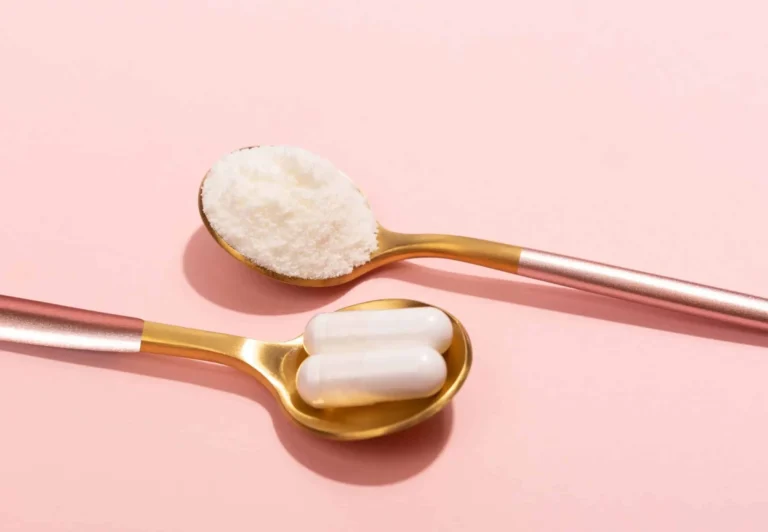
Collagen levels drop naturally as we age, but it’s also possible to have too little collagen as a result of a poor diet.
Collagen is having a moment again—only this time it’s not just swanning around in skincare ads. In gyms, on running routes, and in the post-workout shake line, collagen is being talked about as the behind-the-scenes builder: the stuff that helps hold the whole operation together when you’re asking your body to do more than it did last year.
Let’s start with the bold claim that got everyone’s attention: Collagen is the most abundant protein in the human body (over 90%) and stronger than steel by weight. That’s not a slogan; it’s a reminder that your body isn’t just “muscle and motivation.” It’s structure. Scaffold. The unglamorous wiring that lets you sprint, squat, swing, climb, lift, and carry on.
And that matters because its inimitable strength is one of the reasons why collagen is an important building block for bones, tendons, ligaments and joints that support the body acting as its structural scaffold. If you’ve ever felt your training ambition outpace what your joints were prepared to tolerate, you already know the difference between “strong” and “ready.”
The hard truth: collagen drops with age (and bad habits don’t help)

Here’s the part no one likes, but everyone needs: Collagen levels drop naturally as we age, but it’s also possible to have too little collagen as a result of a poor diet. So if you’re training like you’re 25, sleeping like you’re in finals week, and eating like your kitchen is a vending machine, don’t be shocked when your body starts charging interest.
The traditional advice still holds because it’s been true for a long time: eat properly, recover properly, and build gradually. The modern twist is that alongside a healthy diet including all the major nutrient groups, and ensuring adequate rest is included, a growing body of evidence suggests that supplementing with collagen can help aid the body’s ability to repair from injury and speed up recovery times making it an ideal workout partner when looking at how best to supplement your fitness and wellbeing regimen.
In plain English: collagen isn’t a magic wand. It’s a “maybe helpful” add-on—most useful when the fundamentals (training, nutrition, sleep) are already in place.
This is how.
Reducing injury: prevention first, support second

Injuries are not just painful but they also slow you and your performance down. Of course, prevention is better than cure, and avoiding injury in the first place would be the ultimate goal.
Quite right. Warm up, strengthen, improve mobility, and respect rest days like they’re part of the programme (because they are). But reality has a habit of interrupting good plans.
But this isn’t always possible and most people who either work out or train regularly get injured at some point. That’s not pessimism; it’s the ledger of effort. If you do enough reps, miles, matches, or classes, something will eventually complain.
Overdoing it can lead to muscles and joints suffering from overuse, resulting in injury. And there’s another angle worth noting: But there is also evidence to suggest that collagen production degradation in the body is a contributory factor in sports-related injury.
So the sensible approach is not “take collagen and ignore recovery.” It’s the opposite.
So as well as ensuring you take adequate rest periods between gym sessions, classes and training, it may also be beneficial to supplement with collagen.
What the research suggests (without pretending it’s gospel)
The most interesting bits tend to be the unflashy ones—tendons, for example. They’re not as Instagram-friendly as biceps, but they’re the difference between “training” and “limping.”
Some studies have shown that collagen supplementation actually increases the diameter of tendons in joints. And in one longer look at athletes: One study in particular looked at athletes and their ankles. The athletes were given collagen supplements or a placebo for six months. Those with the supplement had significantly lower rates of ankle injuries.
Is that the final word? No. Is it enough to justify why so many athletes are paying attention? Absolutely.
Repairs & restores: collagen and the grind of recovery
Training breaks you down on purpose. The gains arrive during the rebuild. If you’re consistent in the gym but careless with recovery, you’re basically renovating a house and refusing to buy any materials.
The high amino acid content of collagen protein makes collagen ideal for muscle repair and recovery. That’s the pitch—and it’s the part many people are chasing when they add collagen to a post-session routine.
Supplementing with collagen may help muscle repair, making it essential post-workout nutrition. The keyword there is may. If your overall protein intake is poor, collagen won’t rescue you. If your sleep is a mess, collagen can’t tuck you in. But as part of a broader plan—proper meals, adequate protein, hydration, sleep, and smart training—collagen is being used as another tool in the box.
Reducing joint pain: not just for “older people”

Here’s a myth worth retiring: joint support is only for the elderly. That’s like saying brakes are only for slow cars.
Collagen is an important component of cartilage, the tissue that cushions and supports joints. When cartilage is happy, movement is easier. When it’s worn down, every step can feel like a negotiation.
As we get older this tissue wears down. This process is often accelerated in those who work out or train a lot. As the cartilage wears away, this can lead to joint pain and arthritis.
Now for the interesting part: younger athletes aren’t immune, and some research has looked at collagen supplementation in that group.
While most people tend to think of joint supplements as being reserved for older people with arthritis, a study of collagen supplements in young athletes found the supplements significantly improved joint pain at rest, while walking, on standing, on carrying and on lifting compared to placebo.
And it wasn’t evenly spread—those already feeling it seemed to notice more: This effect was more marked among people who had knee pain when the study started.
If joint issues run in your family, the logic becomes straightforward: If you are prone to joint problems or other people in your family have osteoarthritis, you might want to consider taking supplements to prevent rather than treat joint issues.
Boosting muscle mass: promising, but don’t oversell it
If you want performance, you want muscle. If you want body composition, you want muscle. If you want to keep moving well as the years stack up, you definitely want muscle.
Our muscle mass plays an important role when it comes to fitness as when the muscle mass increases, not only does performance improve, but also the faster the body is able to burn energy/calories.
Collagen gets discussed here too, though the evidence base isn’t as deep as people sometimes pretend.
Although there isn’t a wealth of research on the subject, initial studies have shown that consuming collagen supplements increased muscle growth and strength in people with age-related muscle mass loss.
So if you’re younger and already lifting, don’t treat collagen as a shortcut. Treat it as optional support—especially if your priority is joint comfort, tendon resilience, and recovery.
So, should you take collagen?
Here’s the straight answer: if you train regularly, feel niggles building, or want to be proactive about joints and connective tissue, collagen is a reasonable consideration—provided you do the boring basics first.
And plenty of people are clearly thinking that way: Supplementing with collagen powders is increasing in popularity and Google searches for collagen were up by 200% as consumers are turning to collagen formulations to support their bodies and fitness regimens.
A practical way to think about it
- If you’re constantly sore and under-recovering, fix sleep and training load before chasing supplements.
- If your joints or tendons are the weak link, collagen may be a sensible “belt and braces” addition.
- If you want to stay active long-term, the goal is durability—not heroics.
Collagen won’t do the work for you. But it may help you keep doing the work—week after week, year after year—which is where progress actually comes from.