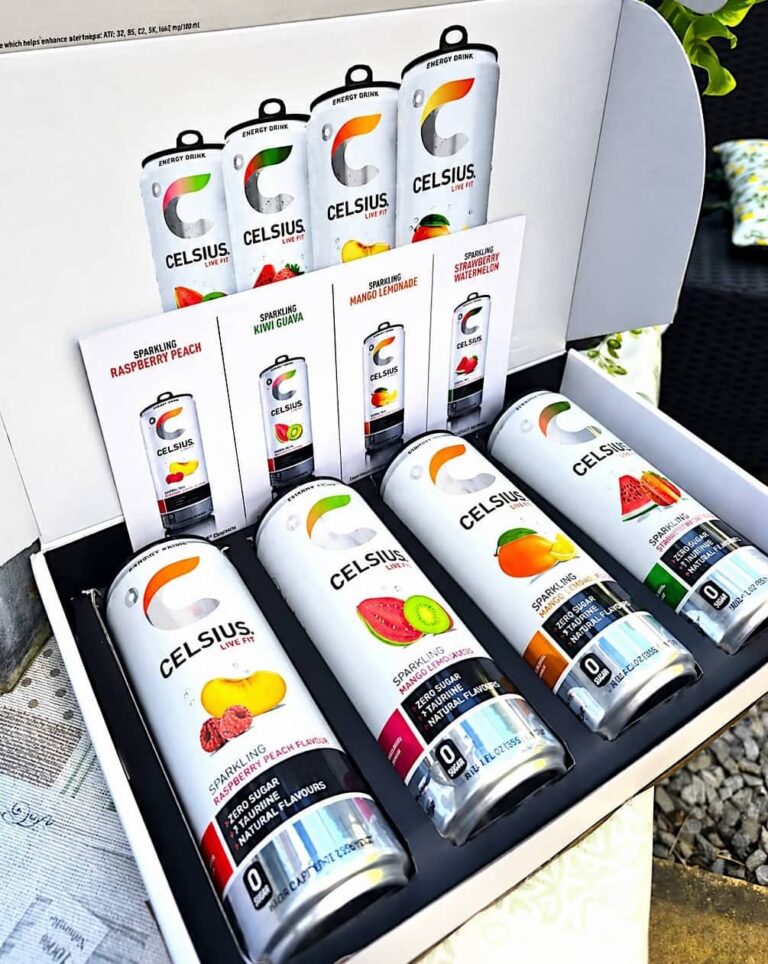
Feeling tired? A nutrition expert explains how tea, coffee and energy drinks may hinder iron and B-vitamin absorption.
Modern life has a nasty habit of leaving us running on empty. Long days, short nights, endless to-do lists – it’s no surprise fatigue has become a regular feature rather than an occasional visitor. For many of us, the default solution is simple: switch the kettle on, crack open a can, and let caffeine do the heavy lifting.
But what if the drinks you rely on for a lift are quietly draining the very nutrients your body needs to create real, lasting energy?
That’s where Keeley Berry, Nutritional Expert at natural health brand BetterYou, steps in – and she’s not afraid to call out our beloved brews and energy drinks for what they can be: fair-weather friends when it comes to everyday energy.
When Your “Pick-Me-Up” Picks Off Your Nutrients
It starts innocently enough. You hit the mid-morning wall, your eyelids feel like lead curtains, and your brain insists it can’t possibly function without another coffee. A bit later, when the afternoon slump strolls in, you double down with a strong tea or an energy drink.
Short-term? You feel more alert. Long-term? You might be setting yourself up for more fatigue by interfering with the body’s ability to use key nutrients like iron and B-vitamins.
Let’s have a look under the bonnet.
Tannins: The Hidden Handbrake on Your Metabolism
First up: tannins.
These water-soluble polyphenols are found in plant foods – including tea and coffee. While they’re often praised for their antioxidant properties, evidence also suggests tannins can interfere with the way your body metabolises energy and digests proteins.
They’re known to influence how efficiently your body converts absorbed nutrients into the substances needed to fuel different functions – including enzymes that help keep everything from digestion to muscle function ticking over. In other words, while your cuppa feels like it’s revving your engine, tannins may be quietly riding the brake.
Caffeine: The Anti-Absorption Factor
Then comes caffeine – the life raft most of us cling to when we’re drowning in tiredness.
Green and black teas are recognised inhibitors of intestinal absorption of non-haem iron (the form of iron found in many plant foods and fortified products). Research has shown that iron absorption can be significantly reduced in people who drink tea with their meals. Among regular tea drinkers, stored iron levels have also been shown to dip over time.
And it doesn’t take a full teapot to make a difference. In single-dose experiments, just one cup of tea consumed with food has been enough to demonstrate inhibitory effects on iron absorption.
Coffee has its own baggage. Studies have associated coffee consumption with reduced circulating B vitamins, with caffeine’s diuretic effect thought to be part of the problem. More trips to the bathroom can mean more water-soluble vitamins heading out of the body.
Caffeine can also interfere with bone-building nutrients such as vitamin D and calcium, affecting how well they’re absorbed from both diet and supplement sources. So while your latte feels like emotional support in a mug, your nutrient status might be taking a quiet hit.
Iron and B-Vitamins: The Real Energy Workhorses
While caffeine provides a quick buzz, iron and B vitamins are the real grafters behind your energy levels.
Iron is a vital component of haemoglobin, the substance in red blood cells that carries oxygen from your lungs and delivers it throughout the body. Without enough iron, your entire system is running on restricted supply – and that’s when familiar companions like tiredness and fatigue begin to set up camp.
Iron also helps combat tiredness and fatigue and supports normal cognitive function – the difference between feeling sharp and focused, or feeling like your brain has been replaced by porridge.
Then there are the B-vitamins, the unsung heroes of your internal power grid. They:
- Contribute to healthy red blood cells
- Support normal homocysteine metabolism
- Help release energy from the food you eat
- Play a role in maintaining normal psychological function
But as water-soluble vitamins, B-vitamins are especially vulnerable to the diuretic effects of caffeinated drinks. The more you lean on coffee and energy drinks, the more likely you are to be flushing away some of the very nutrients you need to support sustained energy.
Building Positive Daily Energy Habits
No one is asking you to exile coffee or banish tea. But if your entire energy strategy is built on caffeine, it might be time to rework the playbook.
Keeley Berry recommends thinking beyond the mug and focusing on your “hero nutrients” – iron and B-vitamins – from both diet and supplementation:
- Don’t let caffeine be your main energy source. Enjoy it, but don’t rely on it.
- Prioritise iron-rich foods, such as lean meats, beans, lentils and dark leafy greens.
- Include B-vitamin sources like whole grains, eggs, legumes and dairy where appropriate.
- Watch your timing: avoiding tea and coffee with meals can help maximise iron absorption.
For sustainable energy, it’s important to consume water-soluble vitamins daily because the body doesn’t hang onto them very well. Some storage happens in the liver, but many circulating vitamins are simply excreted through urine if they’re not used.
With minerals such as iron, the goal is a steady, regular intake, not one oversized dose. A massive single hit can push the body into “defence mode”, prompting it to clear out what it sees as excess – not ideal when you’re trying to shore up your levels and tackle lingering fatigue.
The Takeaway: Rethink Your Relationship with Caffeine
If you’re constantly battling fatigue, it’s worth asking whether your energy strategy is genuinely supporting you, or just papering over the cracks.
Enjoy your tea, coffee and the occasional energy drink – life’s too short to give up every pleasure – but don’t let them be your only line of defence. Strengthening your foundations with iron and B-vitamins, both through food and smart supplementation, can help you build steady, reliable energy that lasts beyond the half-life of your last espresso.
In the end, the best “energy drink” your body can get is a well-stocked nutrient tank. Caffeine might win the sprint, but your nutrients will always win the marathon.