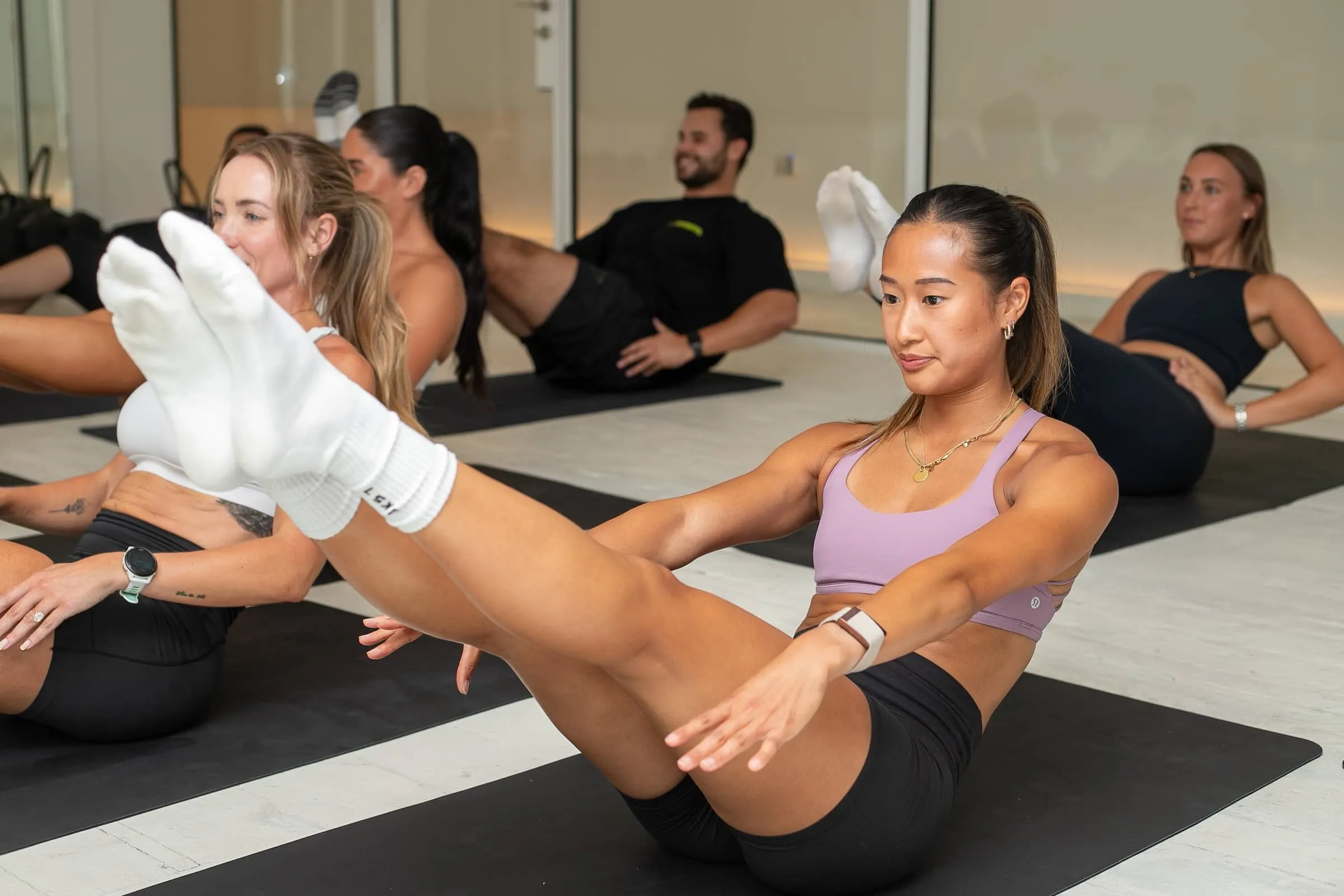
SPORTL launches in London, linking users with boutique gyms and studios through a flexible pay-as-you-train booking app.
SPORTL has entered the London fitness market with the timing of someone spotting a gap in the market and deciding not to waste it. The new pay-as-you-train booking platform has launched across app stores after closing a £250,000 pre-seed funding round, aiming to make booking gym sessions and fitness classes feel less like negotiating a treaty and more like ordering life on your own terms.
There is a reason this may find an audience. Modern fitness, particularly in London, is a restless beast. People want flexibility, quality and convenience, but they also want to avoid memberships that can feel like a long-term relationship entered into after one decent spin class. That is where SPORTL is planting its flag: a booking platform built around spontaneity, available capacity and a more transparent link between studios and customers.
What SPORTL is trying to fix
At its heart, SPORTL is addressing a fairly obvious problem that somehow managed to sit around in plain sight. London is full of sought-after boutique gyms, reformer studios, yoga spaces and cycling hubs, yet access can still feel fragmented. For consumers, there is often too much faff. For operators, there is the equally familiar ache of empty spots that could have been filled.
SPORTL’s answer is a marketplace model for fitness bookings, one designed to connect users with available sessions while giving gym operators another route to revenue. It is not trying to reinvent exercise itself, which is wise. Burpees have suffered enough. Instead, it is trying to smooth out the process around it.
Ryan Lovelock, Co-Founder of SPORTL, commented: “My co-founder Matt and I spent the last year walking the streets of London, sitting down and talking firsthand with gym owners and managers to understand what is missing in the industry, and if SPORTL could be the answer. Seeing SPORTL launch today and physically opening the app is a dream come true.
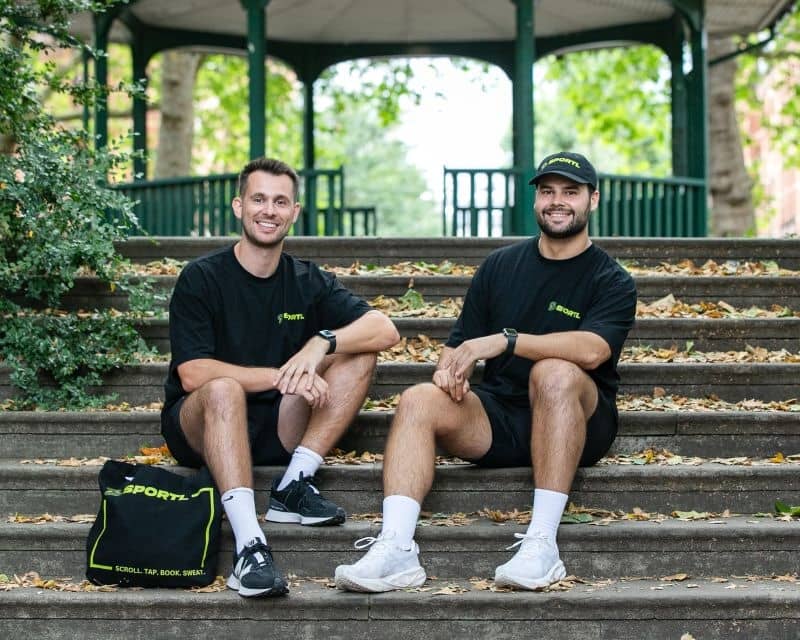
Our mission is to work alongside gym owners, giving them the flexibility and transparency they deserve from a booking platform. We’re incredibly proud of what we’ve built, and we can’t wait for SPORTL to become part of people’s everyday routines, helping them book classes on their terms, whenever it suits them.”
That quote matters because it reveals the real pitch. SPORTL is not merely selling convenience to users; it is also trying to position itself as an ally to operators. That dual-market balance is where platforms either build something meaningful or disappear into the digital undergrowth.
A London launch with some credible names attached
At launch, SPORTL goes live with 50 London-based gym studios and fitness centres available to book through the platform, after speaking to more than 300 gyms about joining. That gives it a respectable opening footprint rather than the usual startup trick of arriving with a logo, an app icon and little else.
The list of participating venues also gives the rollout some substance. Among them are studios within Common Bond’s portfolio, including Boom Cycle, Triyoga, Barrecore and Reformcore, alongside boutique operators such as RFRM, TrainYard, Revolt Cycling, Manor and Reformer Collective.
And why this matters? Because fitness consumers, especially in London, are brand-aware and experience-led. They are not simply buying a class. They are buying atmosphere, coaching quality, location, schedule fit and, if we are being honest, the chance to tell themselves they are now the kind of person who does reformer Pilates on a Tuesday morning.
In that sense, SPORTL is entering a market where product depth counts. It is one thing to build a booking app. It is another to fill it with names people actually want to book.
Why investors are paying attention
SPORTL’s £250,000 pre-seed round was backed by figures with experience in consulting, health tech, recruitment and consumer growth. That blend is not accidental. Fitness technology lives at the crossroads of user behaviour, operational logistics and scalable acquisition, and investors tend to like businesses that can explain all three without blinking.
The round included Kevin Hewitt, former EMEA Chairman of FTI Consulting, who will also join as Chairman of the Board, as well as James Hardy, former Deliveroo executive and co-founder of personalised supplements company Bioniq, and health tech investor Jamie Hearne.
Commenting on his appointment and investment, Kevin Hewitt said: “SPORTL is revolutionising the fitness industry, bridging a real gap in the market where spare gym capacity meets the need for spontaneous demand. The early traction has been impressive, and I’m proud to be part of what Matt and Ryan are building. This is just the beginning, and I look forward to being part of the journey ahead.”
There is the startup ambition in plain English: match unused supply with impulsive demand and do it at scale. It is a familiar modern play, but that does not make it a bad one. It makes execution everything.
What makes SPORTL relevant now
The rise of flexible fitness has been gathering pace for years. Consumers increasingly want access over obligation. They want premium experiences without being shackled to one venue, one timetable or one monthly direct debit that continues to leave the account long after enthusiasm has packed a small suitcase and moved out.
That is where SPORTL could find room to grow. London is especially fertile territory because it is packed with boutique concepts, varied working patterns and a population that often decides its evening plans at roughly the same moment it should already be there.
A platform like SPORTL plays to that behaviour. It leans into the on-demand economy, but with a healthier side effect than takeaway chips and regret. It also gives studios a chance to monetise capacity that might otherwise go unused, which is a more serious commercial proposition than the glossy wellness language often wrapped around this sector.
New hires signal the next phase
The company has also made two notable appointments as part of its next step. Lucy Gray, a fitness influencer with more than 12,000 followers, joins as Marketing Manager, while Sean Sevant arrives as Partnerships Manager, bringing nearly a decade of sales experience from David Lloyd Leisure.
Those are practical hires. One speaks to audience growth and cultural relevance; the other to operator relationships and commercial execution. In other words, SPORTL appears to understand that building traction in fitness requires both visibility and buy-in. One gets you downloads. The other gets you inventory worth downloading the app for.
The real test for SPORTL
Launch day is the easy part, relatively speaking. The harder business begins after the confetti has been swept up and everyone has gone back to checking cost-per-acquisition spreadsheets. For SPORTL, success will depend on three things: useful studio supply, reliable user experience and whether the app can become part of the weekly rhythm of London life.
The company says the investment will help establish SPORTL as a go-to booking platform for fitness in London before expanding into other major UK cities. It also plans to roll out new features once the initial product and offering are established.
That is the sensible order of things. Too many businesses decide they are national before they have properly earned one postcode. London offers SPORTL a testing ground with enough complexity, competition and consumer appetite to prove whether the model has proper legs.
A platform built for modern fitness habits
There is a broader shift here beyond one app launch. Fitness is moving further toward flexibility, immediacy and personal control. Consumers want options. Operators want better yield. Platforms that can serve both sides without becoming cluttered, confusing or extractive stand a chance.
SPORTL is betting that the old model of rigid commitment no longer fits how many people train. Judging by the city it has chosen to start in, that is not an unreasonable wager.
For now, the platform has arrived with credible backing, recognisable partners and a proposition that feels rooted in the realities of the market rather than startup hallucination. In a sector full of noise, that alone is worth noting.
Users can now download the SPORTL app on iOS and Android. The real verdict, as ever, will come not from launch announcements or investor enthusiasm, but from whether Londoners reach for SPORTL when they want a class now, not next month. That is where a fitness platform either becomes part of the routine or just another icon gathering dust on a phone screen.