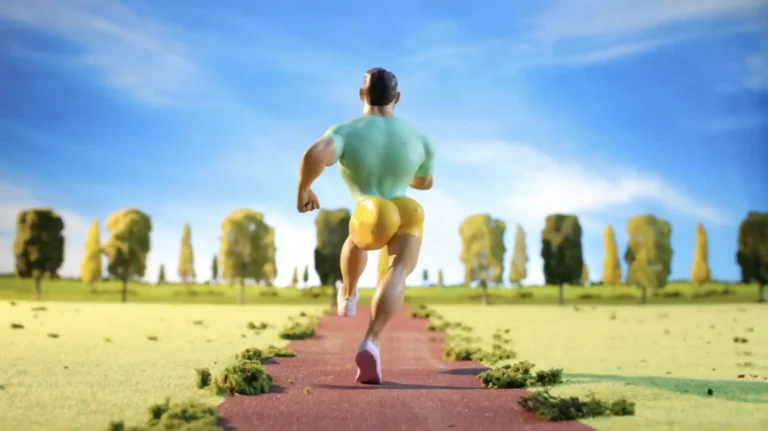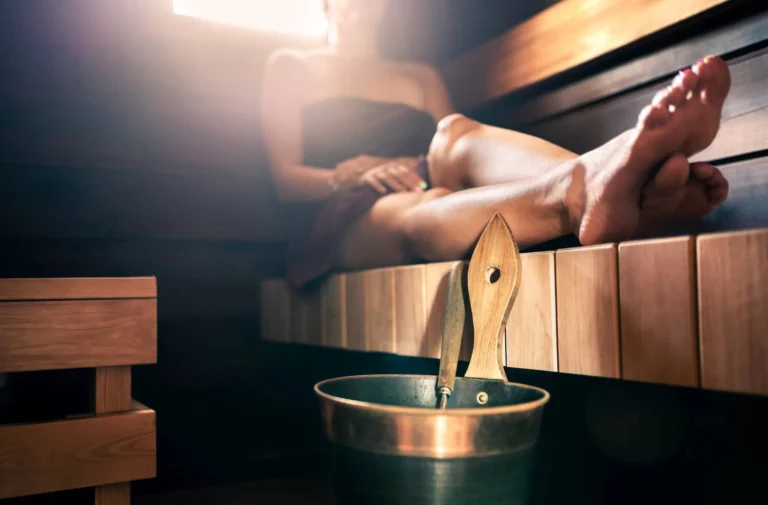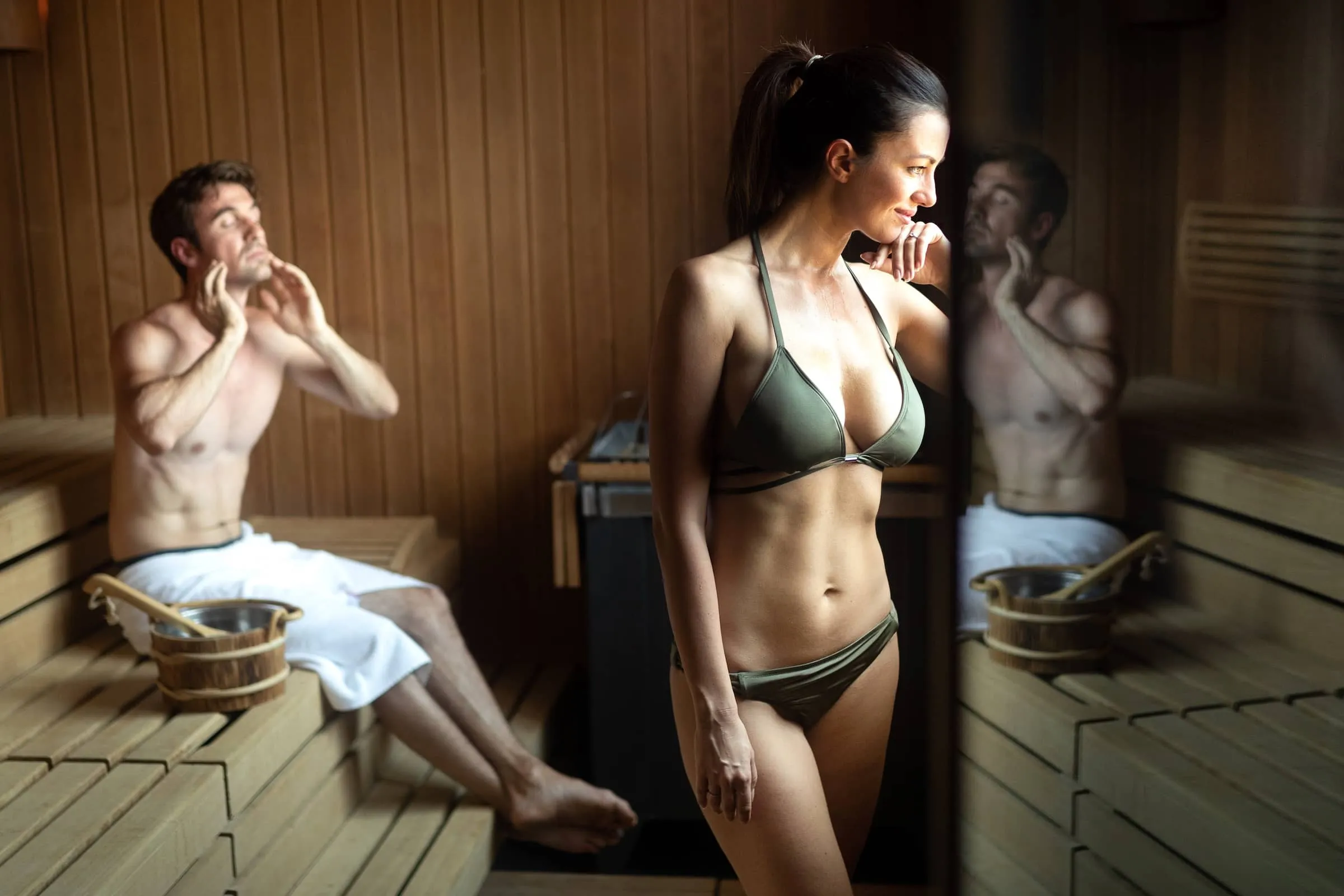
Sauna sessions after running may support recovery, endurance and quicker race times this spring.
There is something beautifully simple about the idea of a sauna helping runners get quicker. No miracle shoes, no magic powder, no grim gadget blinking judgment from your wrist. Just heat, patience and 30 quiet minutes after a run while your legs stop muttering dark thoughts about what you have just asked them to do.
As spring training gathers pace and runners begin stretching out the miles again, recovery becomes the difference between progress and plodding misery. You can pile on mileage until your calves feel like timber offcuts, but without proper rest and repair, the whole enterprise starts to wobble. That is where the latest thinking around post-run heat exposure becomes rather interesting.
Research highlighted by Finnmark Sauna, the UK specialist in authentic Finnish sauna, points to a striking possibility: runners who used 30-minute sauna sessions after workouts for three weeks improved endurance by 32 per cent. In practical terms, that translated into roughly a 2 per cent improvement in performance.
In the world of running, 2 per cent is not decorative. It is meaningful. It is the difference between a decent day and a personal best. Over a marathon, it could mean taking more than five minutes off your time.
Why the Margins Matter
A few seconds per kilometre does not sound like much until you multiply it across 5k, 10k, a half-marathon or the full 26.2-mile ordeal. Then it starts to look rather handsome.
Based on average finishing times, a 2 per cent improvement works out at around 40 seconds over 5k for the average runner, just over a minute for 10k, around two and a half minutes for a half marathon and more than five minutes over the marathon.
For women, using the average UK finish times provided, the gains are even more eye-catching in raw minutes. A marathon run in 5 hours and 1 minute becomes 6 minutes and 1 second quicker. For men, a 4-hour and 23-minute marathon would drop by 5 minutes and 16 seconds.
Nobody sensible would pretend five minutes arrive gift-wrapped and guaranteed. Running does not work like that. But the point is clear enough: modest physiological gains can produce real results once the clock starts.
What the Heat Is Supposed to Do
The theory is not especially mystical. Sauna exposure appears to help increase blood plasma and red blood cell volume, which improves the body’s ability to transport oxygen to working muscles. In simpler language, it may help you keep the engine running more efficiently when the effort rises and the legs begin negotiating surrender terms.
That matters in spring, when many runners move from casual winter maintenance into something more purposeful. Marathon blocks sharpen. Half-marathon plans get serious. Parkrun warriors begin speaking in hushed tones about pace bands and negative splits.
A well-timed recovery strategy can help support endurance, reduce muscle soreness and improve the quality of the next session. That is often where progress really lives. Not in the heroic run itself, but in what your body is able to do two days later.
The Recovery Case Gets Stronger
Sauna bathing has long been associated with improved circulation, reduced inflammation and better cardiovascular health. For runners, those benefits sit neatly alongside the practical demands of training: fresher legs, less lingering stiffness and a body that is a bit less offended by the whole business.
There is also the mental side of it, which is not trivial. A post-run sauna session forces a pause. No phone. No errands. No fiddling about. Just heat and stillness. In a sporting culture addicted to more, that kind of enforced calm may be half the benefit.
Better sleep, lower stress and a more settled nervous system are not glamorous training metrics, but they matter. Burnout rarely arrives wearing a name badge. It usually sneaks in disguised as tiredness, irritability and the odd run that feels like dragging a piano uphill.
What Finnmark Sauna Says
Jake Newport, says CEO of Finnmark Sauna, believes that is precisely why the sauna is becoming more relevant as runners build toward spring events.
“The shift into spring is when many runners start to increase their training load and set their sights on upcoming races.”.
“With more consistency comes more strain on the body, so recovery becomes just as important as the run itself.
“Regular sauna use is a simple way to support that. It helps improve circulation, reduce muscle soreness, and enhance endurance over time.
“For many runners, it becomes part of their routine – not just for performance, but for switching off and resetting after a session.”
Not a Shortcut, But a Useful Tool
It is worth keeping a cool head while discussing heat. A sauna is not a substitute for sound training, proper fuelling, hydration or sleep. It will not rescue a badly judged pacing plan or carry you through the last six miles of a marathon if your preparation has been held together with hope and flapjacks.
But as a support tool, it makes sense. It is simple, repeatable and increasingly backed by research that suggests it can do more than just feel pleasant. For runners looking to train smarter rather than merely harder, that is a compelling proposition.
This is also where the sauna separates itself from more fashionable recovery trends. There is very little theatre to it. No slogan-heavy performance ritual. No need to look as though you have joined a space programme. Just warmth, recovery and, perhaps, a slightly stronger engine by the time race day rolls around.
Why This Matters Now
Spring has a way of making people ambitious. The evenings lengthen, race calendars fill up and suddenly everyone knows someone doing a half-marathon. That seasonal optimism is wonderful, but it can also lead to overcooked training and undercooked recovery.
If the evidence continues to point in the same direction, the sauna may prove to be one of the more sensible additions to a runner’s routine. Not because it is flashy, but because it addresses the dull, stubborn truth of endurance sport: the body performs better when it has recovered properly.
And that may be the most appealing thing of all. The sauna does not promise reinvention. It offers something more believable. A chance to come back tomorrow a little fresher, a little calmer and perhaps, in time, a little faster.