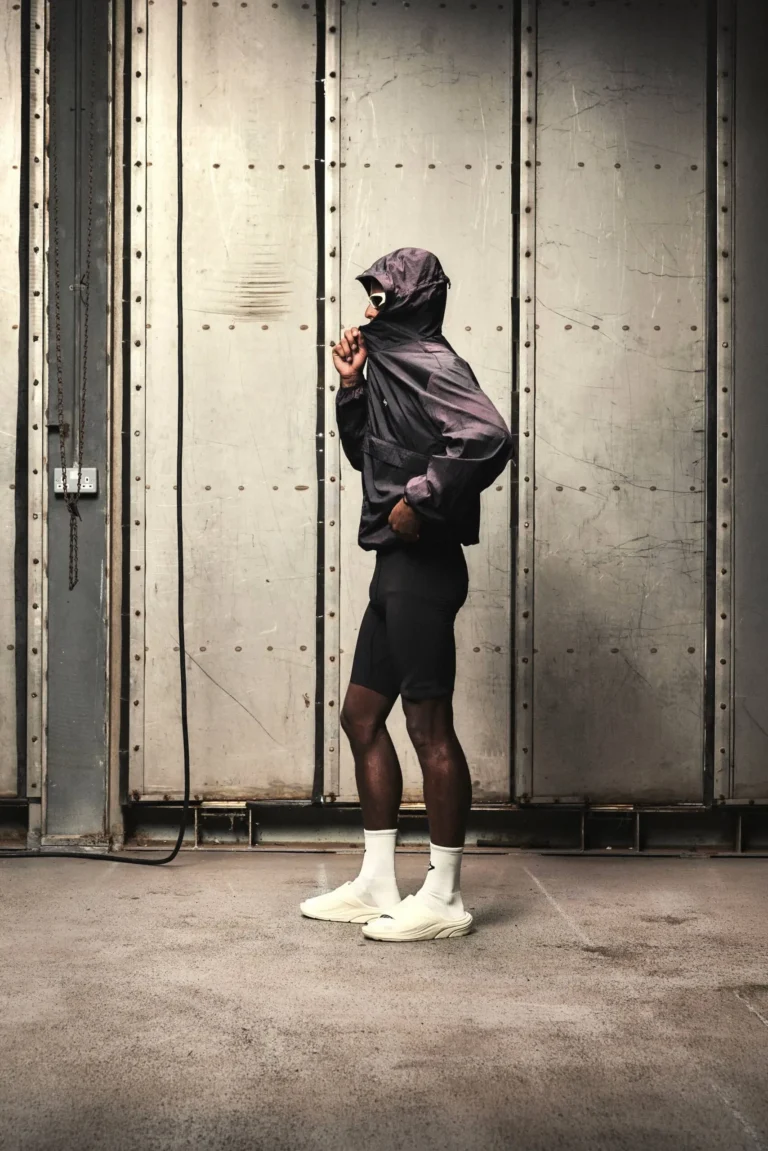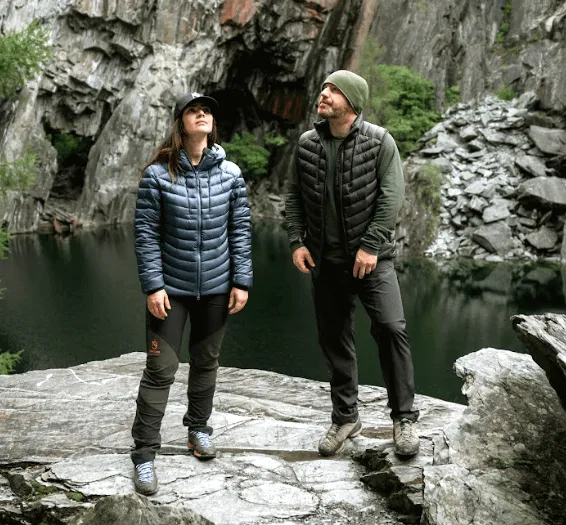
KYMIRA infrared base layers convert body heat to FIR to support warmth, circulation, on-snow performance and faster recovery in winter sport.
When the mercury nosedives and the snow cannons start roaring, most winter athletes quietly accept a simple truth: the colder it gets, the harder it is to feel remotely explosive. Quads stiffen, hamstrings sulk, and warm-ups begin to feel like a form of penance. That’s the problem KYMIRA is marching into — the idea that in sub-zero conditions, your body doesn’t have to move like it’s running on dial-up.
And that’s where KYMIRA claims it can change the script. The British infrared performance brand says more and more athletes are pulling on its infrared base layers for a triple hit of warmth, performance support and recovery — and with Milano Cortina 2026 now in the rear-view mirror, Team GB can point to their best Winter Olympics ever: five medals, and multiple golds for the first time. So could “recovering in KYMIRA” have played a meaningful part in that success?
From “thermals” to tech: how KYMIRA’s infrared kit actually works
Under the hood, KYMIRA isn’t just another “nice and toasty” baselayer. Its pieces are made with the brand’s KYnergy® infrared fabric, which is designed to take the body heat you’re already producing and convert it into far-infrared (FIR) light.
According to KYMIRA, that FIR light triggers nitric-oxide-driven vasodilation — in normal-people speak, it encourages blood vessels to widen, which can improve microcirculation and boost tissue oxygenation within minutes.
On snow, the promise is simple enough even for the frostbitten: pull on a KYMIRA baselayer, stay warmer, feel switched on sooner, and bounce back faster between runs, stages or training blocks.
The science KYMIRA leans on
This isn’t just a case of “trust us, it’s very sciencey.” KYMIRA points to peer-reviewed research from the University of Notre Dame, where its infrared garments were tested against placebo.
The results, the company says, showed:
- Significant neuromuscular recovery improvements at 48 hours, and
- Higher readiness (mRSI) at 24 hours
…with the proposed mechanism tying back to increased blood flow and improved metabolic clearance.
In winter sport, where an athlete can go from gym to hill, to physio, to airport in less than 24 hours, that compressed recovery window is where small advantages stop being a luxury and start looking like self-preservation.
Why cold wrecks your “ready to go” feeling
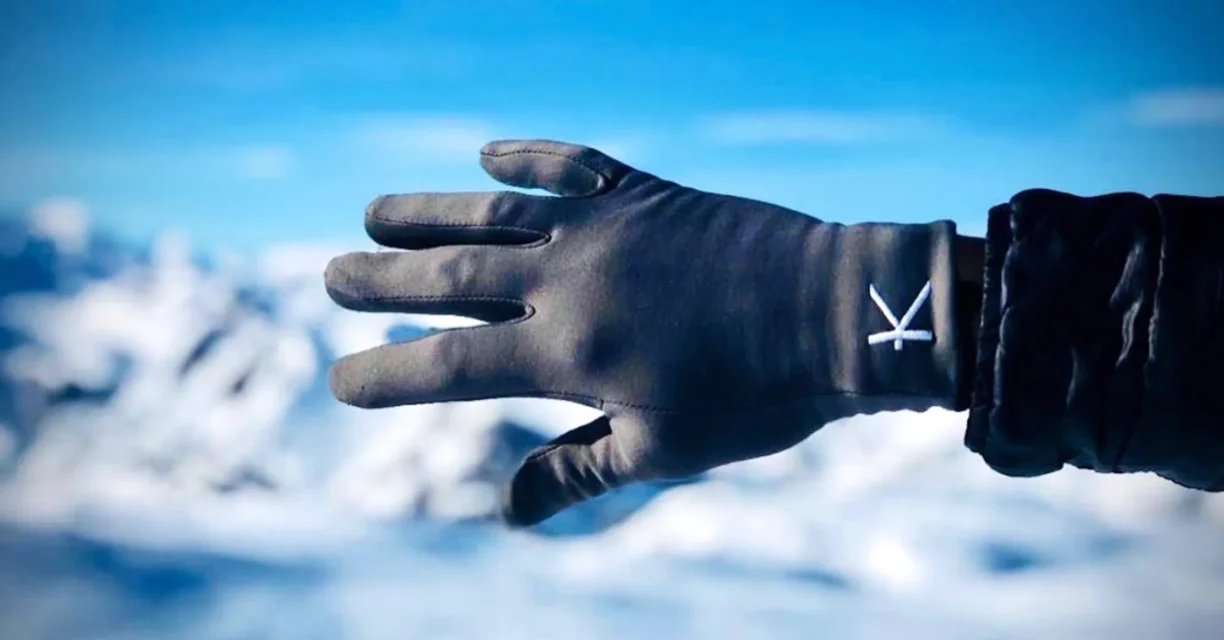
Cold weather doesn’t just make you uncomfortable; it changes how your body behaves. Reduced tissue elasticity and sluggish muscle activation mean athletes often need longer, more careful warm-ups just to reach the same level of readiness they enjoy on a mild autumn day.
That’s why KYMIRA is so keen to move base layers out of the “cosy but passive” category. The brand’s pitch is that these aren’t just thermal undergarments; they’re priming tools — something you wear while you warm up, under your race kit on the hill, and even after competition or overnight.
“Base layers shouldn’t just keep you warm — they should help you perform,” said Tim Brownstone, KYMIRA’s Founder & CEO. “Our infrared base layers are built for cold-weather priming, on-snow performance, and rapid recovery between runs and race days. They’re designed to be the world’s best base layers because they do more than insulate: they actively support physiology.”
If you’ve ever spent the first run of the day skiing like Bambi on black ice, you can see the appeal.
KYMIRA in the big leagues
KYMIRA isn’t shy about where its gear is turning up. At the Paris 2024 Olympics, the company says 33 of its customers came home with medals across five countries and eight sporting categories.
Is that a controlled, double-blind clinical trial? Of course not. Medal tables never are. But in the world of performance innovation, it signals something important: plenty of elite athletes and teams are at least willing to experiment with KYMIRA’s technology — and early adoption at the top end often trickles down fast.
The company also points to use across tier 1 sports teams and defence, where harsh environments and brutal schedules are part of the job description.
Why KYMIRA’s infrared base layers are being sold as winter-sport essentials
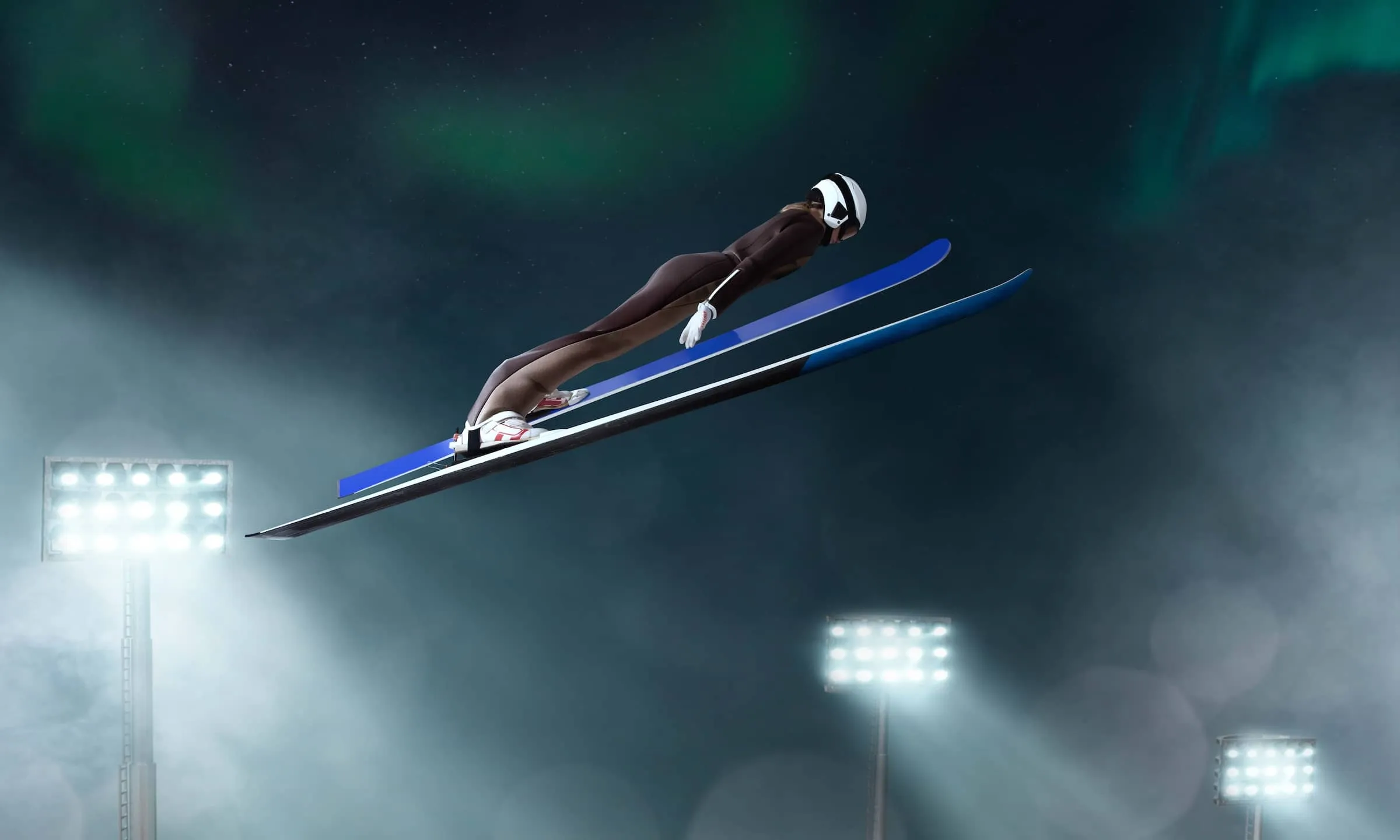
Strip away the marketing gloss and the winter-sport pitch from KYMIRA comes down to four main pillars.
1. Cold-weather priming and soft-tissue resilience
Cold conditions increase soft-tissue risk. Muscles are tighter, reactive strength drops, and one over-eager move out of the start gate can be enough to earn a few weeks on the physio’s table.
KYMIRA says its infrared fabric helps athletes feel “ready” sooner by supporting blood flow and tissue oxygenation during warm-up — and it backs that up with a headline-grabbing field claim: A Tier 1 International Rugby Team reportedly saw an 80% reduction in soft-tissue injuries over a two-year period while utilising KYMIRA Infrared, with no other protocol change.
Again, that’s real-world data, not lab-controlled perfection, but if you’re a coach staring down a packed calendar, an 80% drop is going to get your attention.
2. On-snow performance and thermoregulation
Every skier and snowboarder knows the dance: add layers and you’re sweating on the gondola; strip layers and you’re shivering on the chairlift.
KYMIRA says its baselayer fabric is 65% warmer than regular fabric, while also supporting biological thermoregulation — the body’s own attempts to keep temperature in a sensible range. The bet is that FIR-driven circulation and oxygen delivery can help muscles stay functional when conditions whiplash between sun-baked start zones and wind-blasted summits.
For athletes, that means one less thing to obsess over in a sport where they already worry about wax, edges, line choice and the existential threat of airport baggage handlers.
3. Recovery between runs, stages and travel days
In winter sport, recovery isn’t just a protein shake and a massage – it’s the bit in between absolutely everything: between lift rides, between race runs, between continents.
KYMIRA’s suggested use case is simple: keep the kit on post-session, on transfers and even overnight. The brand argues its infrared base layers can support neuromuscular recovery, take the edge off DOMS, and reduce that “tin man” stiffness at the start of the next warm-up.
For anyone who’s tried to fold themselves into an economy seat after three days on ice, that’s not a trivial promise.
4. Injury-prevention that doesn’t rely on motivation
Warm-ups, sensible load management, rest, strength work, properly set-up equipment — all still non-negotiable. KYMIRA isn’t pretending otherwise.
What it does claim to offer is passive support: one more brick in the injury-prevention wall that doesn’t live or die on an athlete’s willpower. If you’re going to wear base layers anyway, the argument goes, why not make them work harder for you?
From “nice and warm” to “measurably functional”
A decade ago, base layers were mostly about comfort and maybe a bit of sweat-wicking if you were lucky. Now, performance clothing is in a measurable-outcome arms race. Brands are chasing improvements in circulation, readiness scores, recovery markers and even sleep quality — and turning up at conferences brandishing lab graphs and athlete case studies.
KYMIRA says its range is backed by 10+ clinical, peer-reviewed studies from institutions around the world, and is already in use with tier 1 athletes, pro teams and defence units. That scientific backbone is a big part of how KYMIRA is trying to separate itself from the pile of “compression-ish” kit gathering dust in gym bags everywhere.
So, is KYMIRA the future of winter base layers?
No single garment is going to turn a club skier into an Olympic medallist or make a world-class racer bulletproof in the start gate. But as winter sport gets faster, busier and more demanding, the idea of a base layer that actively supports physiology — as KYMIRA claims to do — feels less like a gimmick and more like the logical next step.
If nothing else, the direction of travel is clear: performance clothing is moving from “keep me warm” to “help me perform.” And if KYMIRA has its way, the next time you’re shivering at the bottom of a run wondering why your legs feel like they’ve been stored in a freezer, you might start by asking what’s going on under your race suit.
For more on the technology and the wider winter-sport implications, KYMIRA’s full base layer explainer is available on its website.