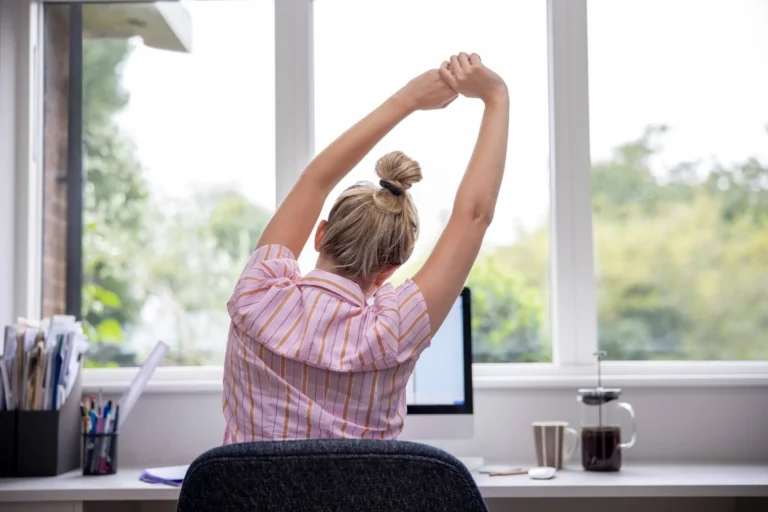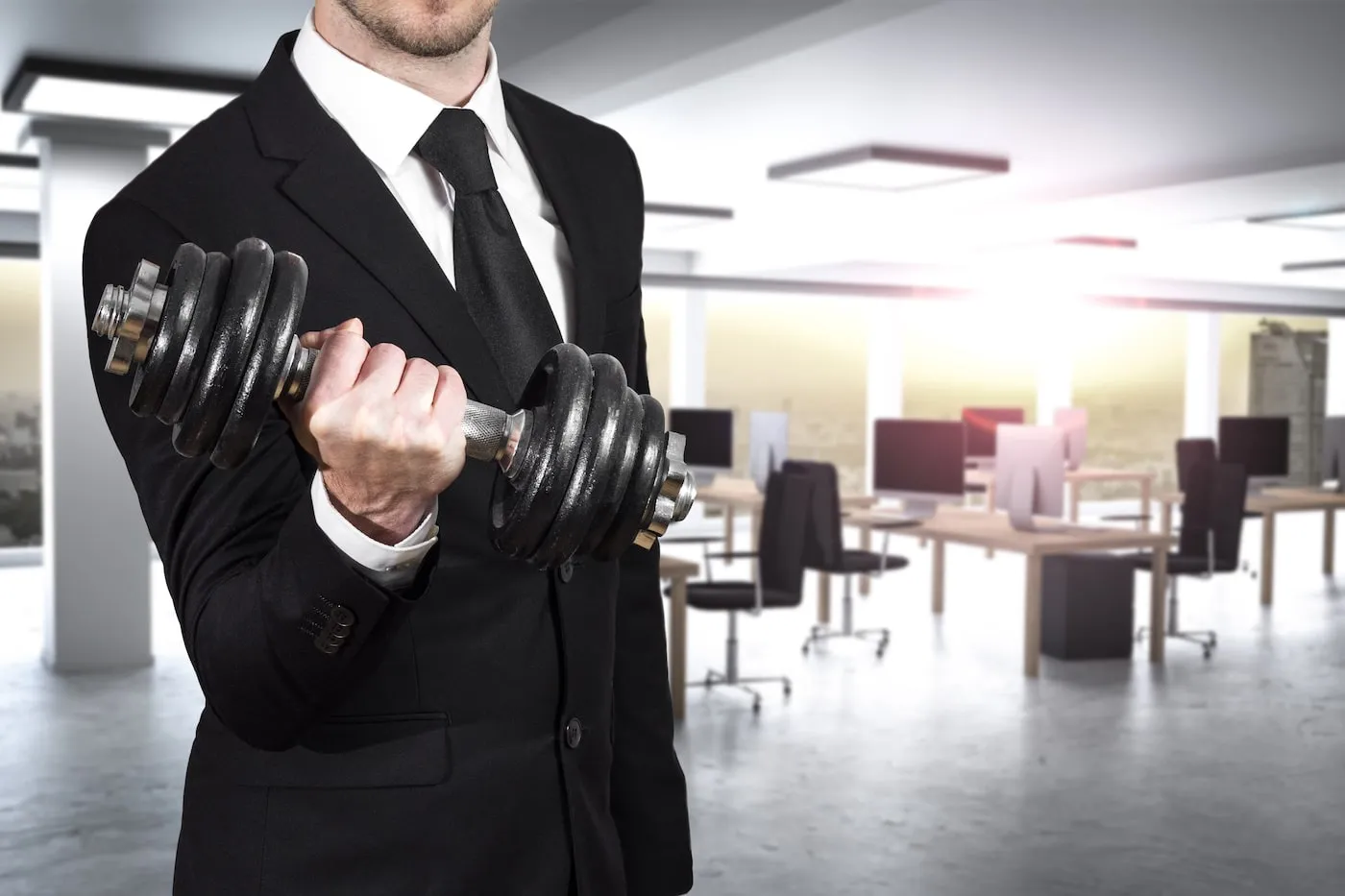
Stay fit at work with walking breaks, desk stretches, stair climbs, meal prep, hydration and simple strength moves daily.
January has a special talent: it arrives skint, cold, and slightly judgemental. The festive glow has packed its bags, your bank account is whispering “be serious,” and you’re back at your desk wondering how a health kick is meant to happen between emails, meetings, and a chair that feels surgically attached to you.
Still, office fitness isn’t reserved for people with boutique gym memberships and endless free time. You can make real progress without spending a penny—and without turning your workplace into a boot camp.
Feel Good Contacts teamed up with personal trainer Badrul Islam to push a simple message: the modern working day is built for sitting, and sitting is built for trouble. Eight hours parked up is about as passive as it gets, and the warning signs aren’t subtle.
Long periods of inactivity are associated with poorer health outcomes, and the World Health Organisation has previously listed physical inactivity among the leading risk factors for global mortality. In plain English: if your job keeps you still, you need a plan that keeps you moving.
The good news is that office fitness is not one big heroic effort. It’s a string of small, repeatable choices—stacked across the day—until your body stops feeling like it’s been folded into a suitcase.
Start with a buddy, or better: make it a team thing

If you’re coming back after the festive break full of good intentions and mild dread, recruit a co-worker with similar goals. Accountability works. So does camaraderie. It’s much easier to stick to healthier choices when someone else is running the same race.
If you want to go up a level, propose a workplace initiative. A culture shift is the ultimate anti-embarrassment device: it’s a lot easier to do a quick set of calf raises when everyone else is also making “I swear this is normal” eye contact.
Win your commute (even if it’s just the last 10 minutes)
A perfect commute doesn’t exist. A better commute does.
- Walk or cycle to work if you can.
- If not, get off a stop or two early and walk the rest.
- Feeling ambitious and you’ve got shower facilities? Build up to a jog, gradually.
A practical tip many people ignore: how you carry your bag matters. A two-strapped backpack helps spread load evenly and supports a neutral spine. You can even add a little extra weight (sensibly) to make the walk work harder—an everyday way to nudge up calorie burn without “doing a workout.”
Driving in? Park further away and take the stairs. Not for punishment—just because your body will thank you for the blood flow and the mental reset before you open the inbox.
Bring lunch like a grown-up (your wallet will also thank you)

Food prep doesn’t need to be dramatic. It needs to be dependable.
Protein-forward lunches—chicken, turkey, eggs—support muscle maintenance and satiety. Fish like tuna and mackerel are cost-effective options that also bring omega-3s into the mix. And vegetables do a lot of heavy lifting here: cheap, filling, packed with micronutrients, and easy to chop into snackable portions for the afternoon slump.
If you want office fitness to stick, stop leaving lunch to chance. Chance usually buys the quickest option, and the quickest option rarely loves you back.
Hydration: the simplest lever most people forget
Water is one of the easiest ways to manage appetite and energy. Keep it blunt and practical: two bottles on your desk (1.5–2 litres total) removes decision-making. Bonus: when full, those bottles can double as makeshift weights for light resistance work.
If it’s cold and you want something warm, go for non-sugary herbal drinks, black coffee, or broth. The goal is to hydrate without turning your drink into dessert.
Turn “work tasks” into movement
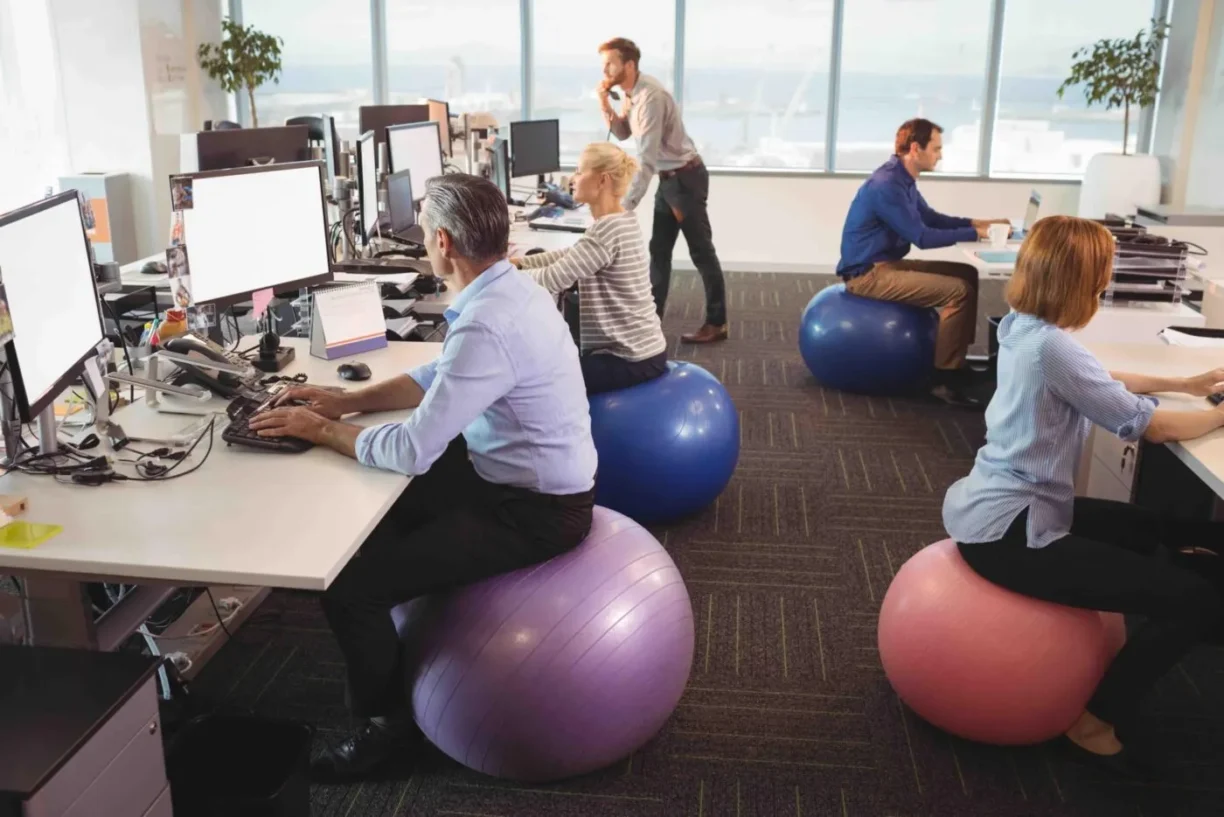
This is where office fitness becomes almost sneaky.
- Instead of emailing someone across the room, walk over.
- Suggest a standing meeting where it suits the agenda.
- Better still, try a walking meeting for 1-1s—often more creative, less tense, and it naturally keeps things concise.
Back at your desk, stand to work when possible. Standing recruits more muscle than sitting, burns more energy, and helps posture—especially if you’re prone to the classic desk hunch.
Can’t stand to work? Then use the next best thing: stand up every 30 minutes and undo the shape your chair is trying to mould you into.
Two-minute posture reset: towel or broomstick stretch
Keep it simple. Grab a towel or an office broomstick.
Holding it with straight arms at either end, rotate it slowly back and forth over your head. Done calmly and consistently, this can help open the chest and mobilise the upper back—useful if you’ve been living in a rounded-shoulder position since your first Teams call.
Stretching isn’t glamorous, but it’s foundational: better posture, less stiffness, fewer nagging aches in the back and neck.
“Dead time” is training time (yes, really)
Waiting for the kettle. Waiting for the photocopier. Waiting for someone to stop talking in the meeting you were dragged into. That’s not dead time—that’s opportunity.
Try:
- calf raises
- bodyweight squats
- lunges (small, controlled steps if space is tight)
No theatrics. No sweating through your shirt. Just quiet, consistent movement that breaks up long sitting spells.
Use your break like it actually belongs to you
If you can brave the weather, go for a walk in your break. If you’ve got a longer lunch, use it for a brisk walk or a short run. If you’re new to running, the NHS Couch to 5K app is a steady on-ramp that doesn’t demand heroics on day one.
And if you want variety, many parks now have basic outdoor gym stations. Even monkey bars can do a job—especially for grip strength and pulling work—if you use them safely.
What Feel Good Contacts is doing in-house
Nimesh Shah, Marketing Director at Feel Good Contacts commented: “At Feel Good Contacts we know that if we keep ourselves healthy, we will be happier, have more energy, less sick days and are more productive.
But at this time of year it can be difficult to motivate staff. So we have tried to implement simple things which do make a difference.
For instance, we take it in turns to go to the local coffee shop. It’s a quick and easy way to get out of the office for some fresh air and a stretch. Also, sometimes, when I have 1-1 meetings,
I suggest we do this whilst walking, I find this encourages creativity and free-flowing conversation plus the added benefit of some physical activity.
All staff are encouraged to wear smart but comfortable clothes and most employees come to work in a pair of trainers which comes in handy for the lunchtime power walk.”
That’s the real lesson: office fitness improves when your environment stops fighting you. Trainers aren’t a fashion statement there—they’re a practical tool for a culture that moves.
The bottom line from the trainer
Badrul Islam, Personal Trainer concluded: “Your health is more important than any amount of pay. So be mindful of the length of time you’re sitting.
Doing so can mean a long and healthy career for years to come. In addition, prioritising a healthy sleep pattern over social activity, will increase your
energy, speed up recovery and boost your productivity.”
It’s not sentimental. It’s arithmetic. Your body keeps the score, and January is a fine time to stop letting the chair run the show.
Quick office fitness checklist (save this)
- Stand up every 30 minutes (alarm if needed)
- Walk to speak to colleagues instead of messaging
- Take stairs whenever you can
- Keep 1.5–2L water on your desk
- Do calf raises/squats while waiting for kettle or printer
- Walking or standing meetings for 1-1s
- Pack a protein-and-veg lunch at least 3 days a week