
Garmin’s golf data reveals younger players, sharper scores and the tech helping golfers practise smarter in 2025.
Garmin has released its latest Trends in Golf Data Report, and the numbers suggest golf is enjoying something rather more useful than a polite seasonal uptick. The game is getting younger, players are improving, and the modern golfer appears to be treating performance with a little more science and a little less blind optimism.
Drawn from insights within the Garmin Golf™ app, the report paints a picture of a sport moving with the times. Participation is up, younger players are arriving in force, and golfers are beginning to understand that better scoring is not built solely on range balls, wishful thinking and one heroic memory of a flushed 6-iron in 2018.
Younger Golfers Are Changing The Shape Of The Game
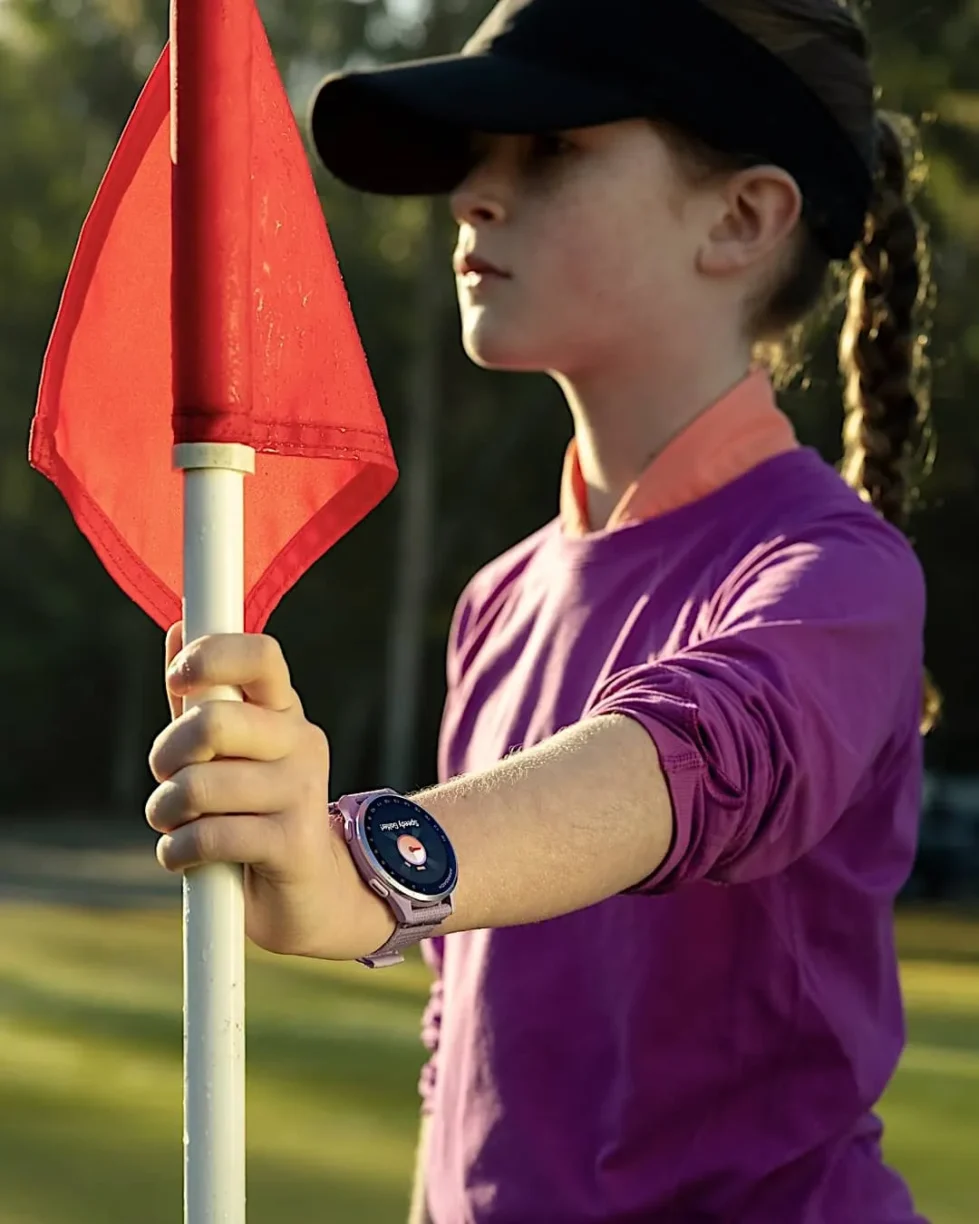
The standout figure is the surge among younger players. According to Garmin, the number of golfers under the age of 20 increased by 76%, while golfers aged 20-29 grew by 53%.
That is not a small nudge. That is the game’s front door being pushed open by a generation raised on data, apps, wearables and instant feedback.
For years, golf has wrestled with the question of how to attract younger players without losing the soul of the sport. These numbers suggest the answer may not be found in gimmicks, but in making the game easier to understand, track and enjoy.
Technology is now part of that journey. A junior golfer learning the game today is far more likely to view GPS yardages, performance tracking and digital score analysis as normal rather than novel. Golf, for once, seems to have remembered that the future does not wait in the car park.
Scores Are Moving In The Right Direction
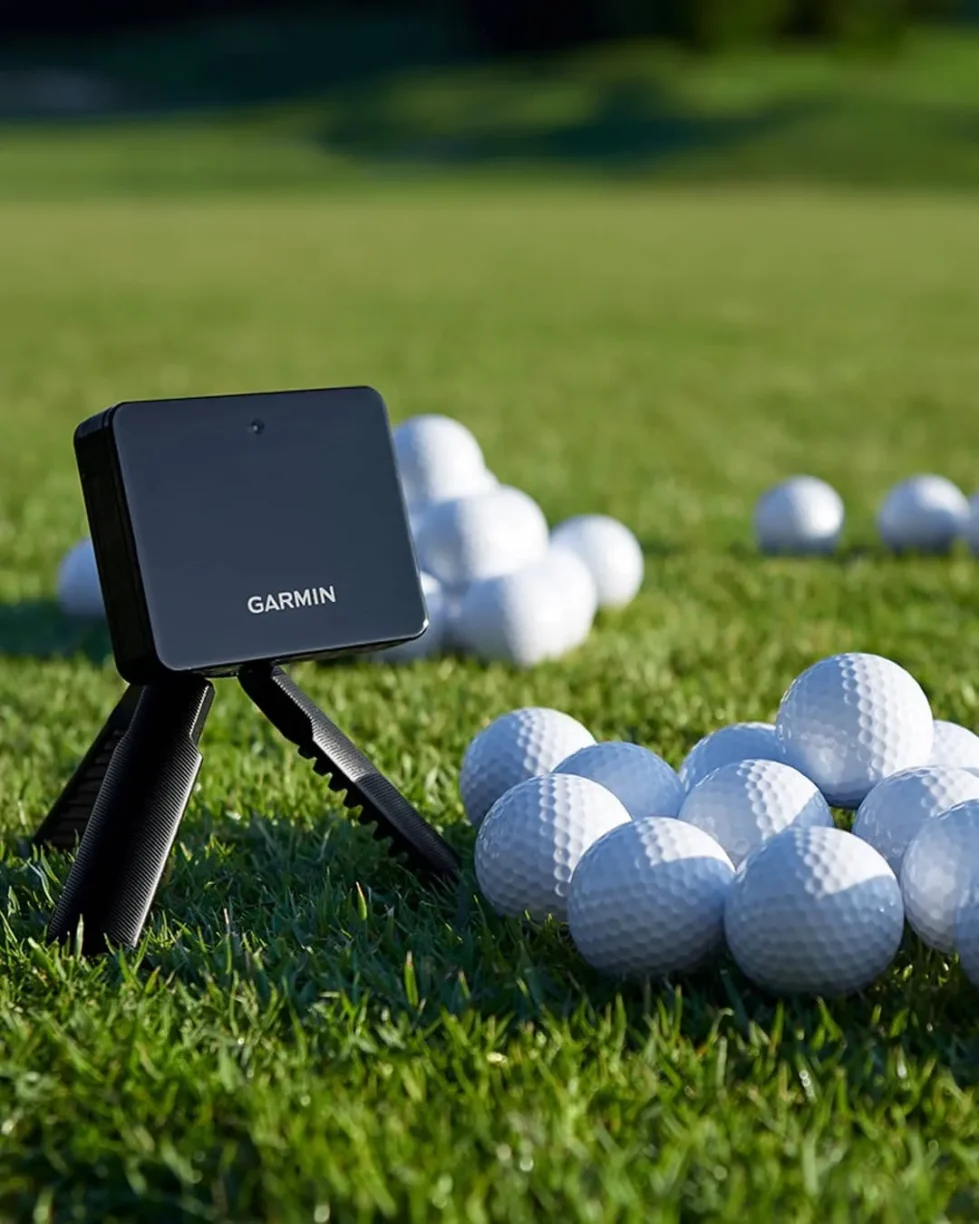
Perhaps the most eye-catching performance figure in the Garmin report is this: six months after registering a Garmin launch monitor, users saw an average score improvement of 4.4 strokes.
For the everyday golfer, that is meaningful. Four shots can be the difference between a personal best and a post-round inquest conducted over a lukewarm sandwich.
The wider point is not that technology magically fixes a swing. It does not. Golf remains magnificently capable of making a sensible person feel like they are trying to fold a deckchair in a hurricane.
But clear data does remove some of the guesswork. When golfers can see what is actually happening — rather than what they hoped happened — practice becomes more targeted. Carry distances become more reliable. Poor patterns become harder to ignore.
The Fairway Truth Is Brutal But Useful
Garmin golfers hit the fairway 37% of the time in 2025. That may sound like an admission delivered from behind a tree, but it comes with useful context. PGA TOUR® professionals averaged 59%.
So, no, the average club golfer is not broken beyond repair. They are simply playing the same impossible game as everyone else, only with fewer spectators and less forgiving lies.
The report also found that Garmin golfers saw their biggest improvement off the tee in 2025. That matters because the tee shot often sets the tone for the entire hole. A smarter drive does not need to be heroic. It needs to be playable. Golfers who reduce the big miss generally reduce the big number.
The Median Handicap Tells A Familiar Story
The median handicap for Garmin golfers during the 2025 season was 14. Golfers in the United States and Canada came in slightly lower at 12, while Australia recorded a median of 14. France, Sweden and the United Kingdom each sat at 15.
That places the report firmly in the real world of golf. This is not only about elite players, single-figure obsessives or simulator-room savants. It is about the broad middle of the game: regular golfers trying to make better choices, hit fewer damaging shots and leave the course with their dignity still wearing shoes.
For UK golfers, a median handicap of 15 feels entirely believable. Between soft fairways, sideways rain and winter golf that occasionally resembles a survival exercise, improvement is rarely handed out with a bow on it.
Fitness Is Becoming Part Of Golf’s New Language
One of the more quietly significant findings is the rise in off-course fitness activity among Garmin golfers. In 2025, golfers recorded 49% more yoga activities and 45% more strength training activities.
This is where golf’s modern shift becomes interesting. Players are increasingly recognising that flexibility, strength and mobility are not optional extras. They are part of performance.
A stronger body can help create more stability. Better mobility can support a fuller turn. Improved conditioning can reduce fatigue late in the round, when concentration starts wandering and the scorecard begins making threats.
Golf has always looked like a game played from the shoulders down, but the body has been in charge all along. It appears more golfers are finally listening.
Garmin’s Role In A More Informed Game
Garmin’s golf ecosystem sits neatly within this broader movement towards smarter play. GPS watches, handheld devices, laser rangefinders, launch monitors and app-based insights all serve the same basic purpose: helping golfers make better decisions.
The company has also introduced the Approach® J1, its first GPS watch purpose-built for junior players learning the game. With youth participation rising sharply in the report, that timing feels deliberate.
Elsewhere, products such as the Approach G82, Approach R50, Approach R10, Approach S70 and Approach Z82 sit across different parts of the golf experience, from practice and simulation to course strategy and yardage measurement.
But the real story here is not the hardware itself. It is the way golfers are using information. Yardages, shot tracking, launch data, fitness metrics and course mapping are now part of the everyday golfer’s vocabulary.
The notebook has become an app. The guess has become a number.
What The Report Says About Golf’s Future
The Garmin data points to a sport that is becoming more accessible, more measurable and more connected to wider health and fitness habits.
That is good news for golf. It suggests the game is not merely relying on tradition to keep itself alive. It is adapting to how modern players learn, train and compete.
The growth in younger golfers is especially important. A 76% increase among players under 20 hints at a genuine shift in golf’s audience. These are players who expect feedback, personalisation and progress tracking. They are not frightened by data. They are motivated by it.
If golf can combine that modern approach with the game’s existing strengths — fresh air, competition, community, frustration, occasional joy and the eternal possibility of one perfect shot — then it has a very healthy road ahead.
A Game Still Difficult, But Less Mysterious
The great charm of golf is that it never becomes easy. Technology cannot change that, and frankly, it would be a shame if it did.
But the Garmin report suggests the game is becoming less mysterious. Players are seeing where they improve. They are understanding where they lose shots. They are connecting fitness with performance. And younger golfers are entering the sport with tools that make learning feel more natural.
Golf will always have its little cruelties. A perfect drive can still find a divot. A well-read putt can still behave like it has legal representation. But with better data and smarter habits, more golfers are giving themselves a fighting chance.
And in this game, that is no small thing.
To view even more of their insights, check out their latest blog post here: