Cold plunge systems can lift recovery, retention and revenue — if operators get maintenance, hygiene and member protocols right.
The wellness industry is rapidly adopting commercial cold plunges — and the data backs the shift. Cold water immersion delivers measurable recovery and performance benefits that members actively seek. But running a commercial cold plunge is operationally different from a residential unit. Here is what facility operators need to know before investing.
Why Has Cold Plunge Therapy Become So Popular?
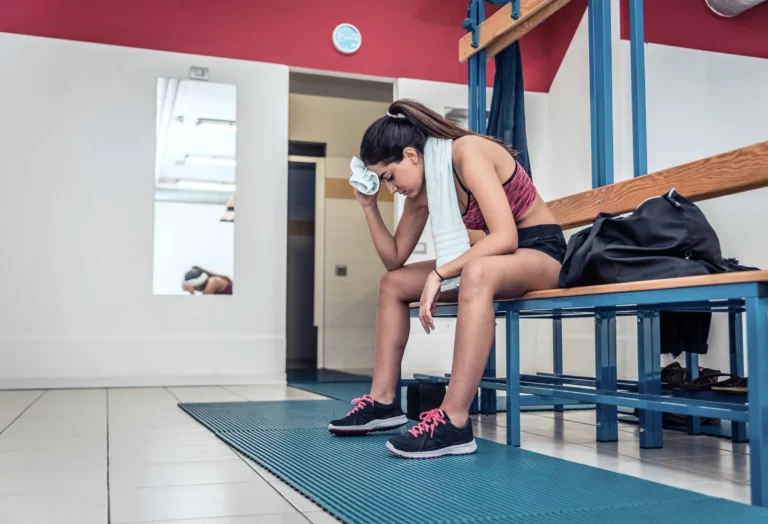
Cold plunge therapy has moved from niche recovery tool to mainstream wellness staple in under a decade. Cold water immersion — typically between 32°F and 59°F — reduces delayed-onset muscle soreness (DOMS) and accelerates muscle recovery after intense exercise.
Social media amplified what the science already showed: influencers and elite athletes documenting cold plunge sessions brought mass awareness to a practice that high-performance facilities had used for years. Today, facilities without cold plunge access risk losing members to competitors that offer it.
Key drivers behind the growth include:
- Documented recovery benefits: Cold exposure reduces inflammation, improves circulation, and can support better sleep quality and mental clarity when practised consistently.
- Athletic demand: Fitness enthusiasts and competitive athletes now expect cold plunge access as part of any serious recovery offering.
- Contrast therapy adoption: Pairing cold plunge with heat — sauna, steam, or hot soak — is one of the fastest-growing recovery protocols in commercial wellness settings.
- Cultural momentum: Cold immersion traditions have deep roots across Nordic, Japanese, and Eastern European cultures, giving the practice both historical credibility and broad appeal.
Which Businesses Should Invest in a Commercial Cold Plunge?
- Athletic training facilities and sports clubs: Athletes recovering from intense sessions see the highest utilisation rates. Cold plunge shortens recovery windows, reduces injury-related downtime, and keeps athletes training at volume.
- Wellness and spa centres: Cold therapy pairs naturally with infrared sauna, massage, and contrast therapy circuits. Facilities that position cold plunge as part of a structured recovery protocol report stronger member retention.
- Gyms and fitness studios: Adding cold plunge differentiates a gym from budget competitors and supports a higher membership tier or add-on revenue stream.
- Rehabilitation and physical therapy clinics: Cold immersion has been used in clinical recovery for decades. A commercial unit formalises that offering for patients managing muscle injuries, inflammation, or post-surgical recovery.
How Do You Maintain a Commercial Cold Plunge Efficiently?
Commercial cold plunges require a consistent maintenance routine to stay safe and sanitary under high-traffic conditions. The four core areas to manage are:
- Water quality testing: Test pH and sanitizer levels at minimum twice weekly. A target pH of 7.2–7.8 with chlorine or bromine within manufacturer-specified ranges protects both the equipment and the user.
- Filtration inspection: Check filters weekly and replace based on actual session volume, not a fixed calendar schedule.
- Surface cleaning and disinfection: Clean interior surfaces after each session and perform a full disinfection protocol at least once per week.
- Hardware and leak inspection: Check seals, plumbing connections, and compressor function monthly to catch issues before they escalate into costly repairs.
How Should You Manage Hygiene for Your Cold Plunge?
Hygiene protocols protect your equipment, your facility, and your members. Require all users to shower before entering the plunge. Post clear signage covering session time limits — typically three to five minutes — and contraindications for users with cardiovascular conditions. A pre-session health screening form is recommended for rehabilitation settings or when opening access to new members. Maintain a usage log to match session volume against your maintenance schedule.
What Protocols Give Members the Best Results?
For most users, three to four sessions per week deliver measurable recovery benefits. Pairing cold immersion with heat exposure — sauna or steam — for contrast therapy amplifies cardiovascular and metabolic benefits beyond cold alone. Encourage members to monitor their body’s response, particularly in early sessions: numbness, chest discomfort, or dizziness are signals to exit the plunge immediately. Stretching or breathwork after a session can deepen the relaxation response and extend the recovery benefit.
The Bottom Line
Cold plunge therapy is no longer a luxury amenity — it is an expected offering in serious performance and wellness facilities. The right commercial system handles high-traffic demand, maintains precise temperature control, and requires minimal operator intervention to stay safe and effective.
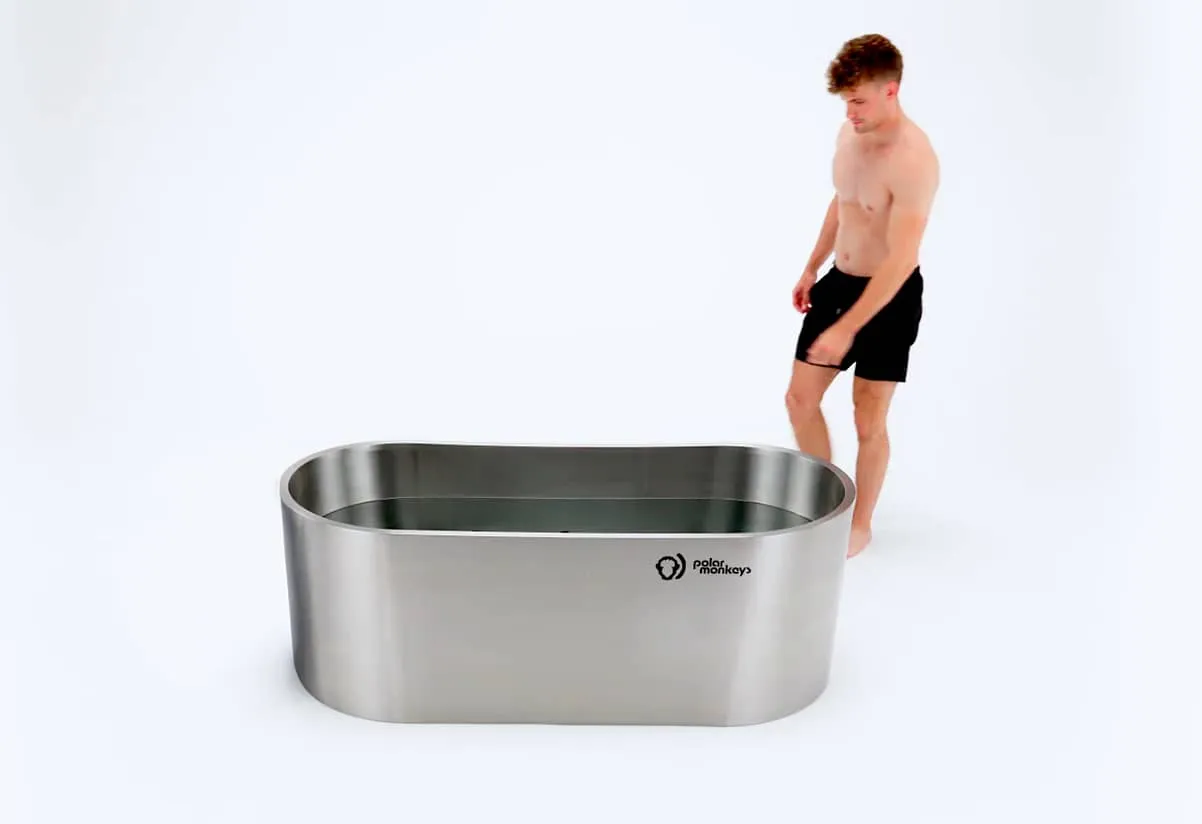
Polar Monkeys designs commercial cold plunge systems built specifically for gyms, sports clubs, boutique wellness studios, and fitness facilities. Explore the full commercial collection and connect with the team to find the right configuration for your space.