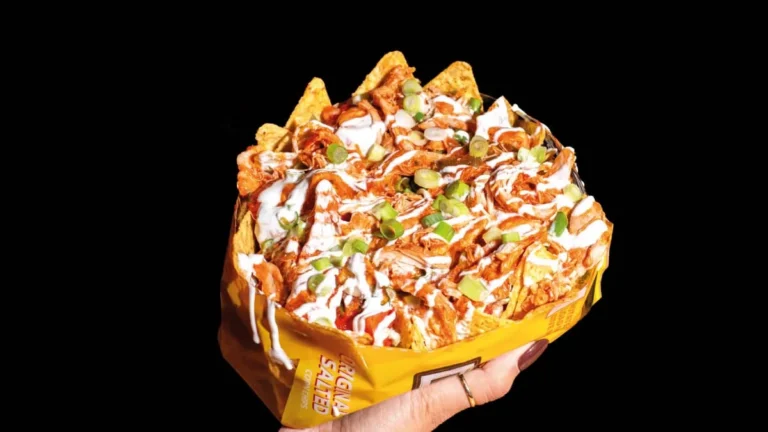
Young Brits are swapping egg and cress for Korean chicken rolls as sandwich habits get a global makeover.
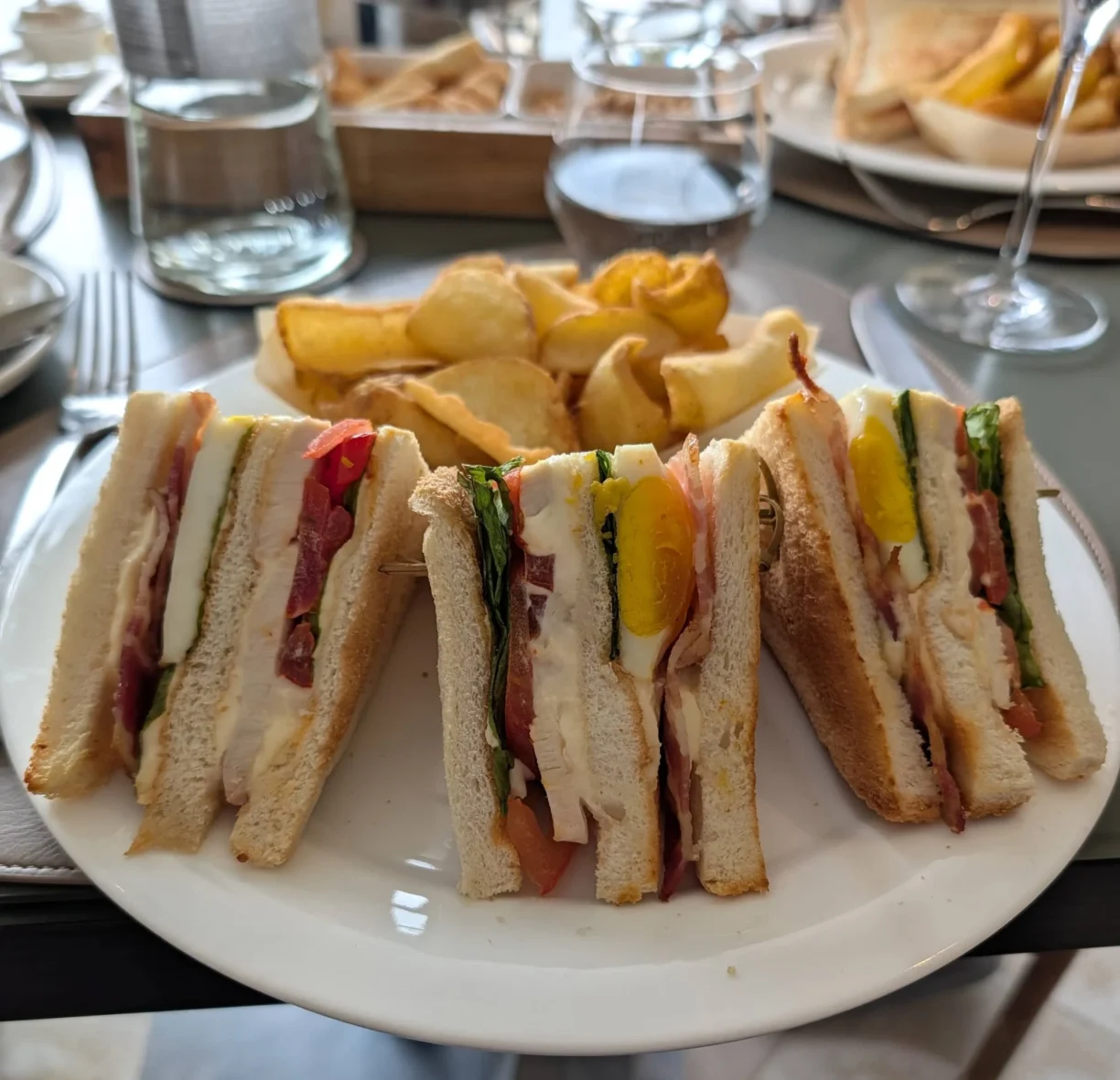
Classic sandwich fillings are having a rather uncomfortable lunch hour. According to new research, old faithfuls such as egg and cress, tuna mayonnaise, cheese and pickle, and roast beef with horseradish are beginning to look less like British lunchtime royalty and more like the contents of a village hall raffle hamper.
For generations, the British sandwich has been a no-nonsense institution. Two slices of bread, a familiar filling, perhaps a packet of crisps on the side, and off you go. But among younger Brits, the sarnie is being dragged into a new era — one where Korean fried chicken rolls, meatball subs, Philly cheese steaks and buffalo chicken are jostling for space in the nation’s lunchbox.
And frankly, the old guard looks a little startled.
Gen Z Is Bored Of The Old-School Sarnie
| Rank | Classic Sandwich | Percentage | Note |
|---|---|---|---|
| 1 | Cheese and ham | 29% | *29% say this is out-dated |
| 2 | Egg and cress | 29% | — |
| 3 | Ham salad | 28% | — |
| 4 | Cheese and pickle | 27% | — |
| 5 | Roast beef and horseradish | 23% | — |
| 6 | Spam | 23% | — |
| 7 | Tuna mayo | 22% | — |
| 8 | Marmite | 20% | — |
| 9 | Jam | 20% | — |
| 10 | Ham and egg | 19% | — |
| Rank | Modern Sandwich | Percentage | Note |
|---|---|---|---|
| 1 | Chicken Caesar salad | 37% | *37% say this is their favourite sandwich |
| 2 | Meatball sub | 36% | — |
| 3 | Spicy chicken wrap | 36% | — |
| 4 | Korean fried chicken roll | 32% | — |
| 5 | Philly cheese steak | 31% | — |
| 6 | Chicken satay | 30% | — |
| 7 | Buffalo chicken sandwich | 29% | — |
| 8 | Mozzarella and tomato | 29% | — |
| 9 | Loaded steak baguette | 27% | — |
| 10 | Pulled pork brioche bun | 26% | — |
A consumer survey of 2,000 people by Coca-Cola Zero Sugar suggests that Britain’s sandwich tastes are changing at pace, particularly among 18 to 30-year-olds.
Egg and cress appears to be taking the heaviest whack from the younger crowd, with 29% of Gen Z saying the filling is outdated. Cheese and pickle is not faring much better, with 27% placing it firmly in the old-fashioned category.
Roast beef and horseradish, once the sort of filling that suggested a person owned proper shoes and knew how to reverse into a parking space, was deemed outdated by 23%. Tuna mayonnaise, that wet-weather classic of office fridges everywhere, was given the same treatment by 22%.
It is not that young Brits have fallen out of love with sandwiches. Quite the opposite. They just want them to stop behaving like they were assembled during a power cut in 1978.
The Rise Of Global Sandwich Flavours
Modern sandwich eaters are increasingly reaching for bigger flavours and more international inspiration.
The survey found that popular modern choices now include Philly cheese steaks at 31%, chicken satay at 30%, buffalo chicken at 29%, and mozzarella and tomato at 29%.
That tells its own story. The sandwich has gone from beige practicality to global street-food vehicle. It is no longer simply lunch. It is lunch with a passport, a ring light and possibly a TikTok account.
As many as 81% of Brits aged 18-30 said they are bored of traditional sandwiches, while another 81% believe the humble sarnie is currently going through a makeover.
For classic sandwich fillings, that is not a warning light. That is the dashboard flashing like Blackpool Illuminations.
Social Media Has Entered The Lunchbox
The shift is not happening quietly. Social media is giving the sandwich a new role as something to discover, recreate and show off.
One in four respondents aged 18-30 said they love discovering new sandwich styles on social media. Of those inspired by online food trends, 71% have gone on to recreate them at home.
That means the sandwich is no longer just what you grab when the meeting overruns. It is content. It is craft. It is something with a crispy layer, a sauce situation and a good chance of being eaten standing up over the kitchen counter because it has become structurally ambitious.
The Desk Lunch Is Losing Its Grip
The research also suggests that Britain may be moving away from the lonely desk lunch, that grim little ritual involving crumbs in the keyboard and the faint smell of regret.
Eight in ten respondents said they are more likely to eat lunch with others during the working week. Many are doing so with friends once a week, at 35%, or twice a week, at 29%.
The social sandwich is back in play. Respondents cited picnics in the park at 60%, catching up with friends in a cafe at 50%, and talking through the day over lunch at work at 47% as common sandwich situations.
In other words, the sandwich is not just surviving. It is getting out more than most of us.
Jordan North Backs The Great British Sarnie
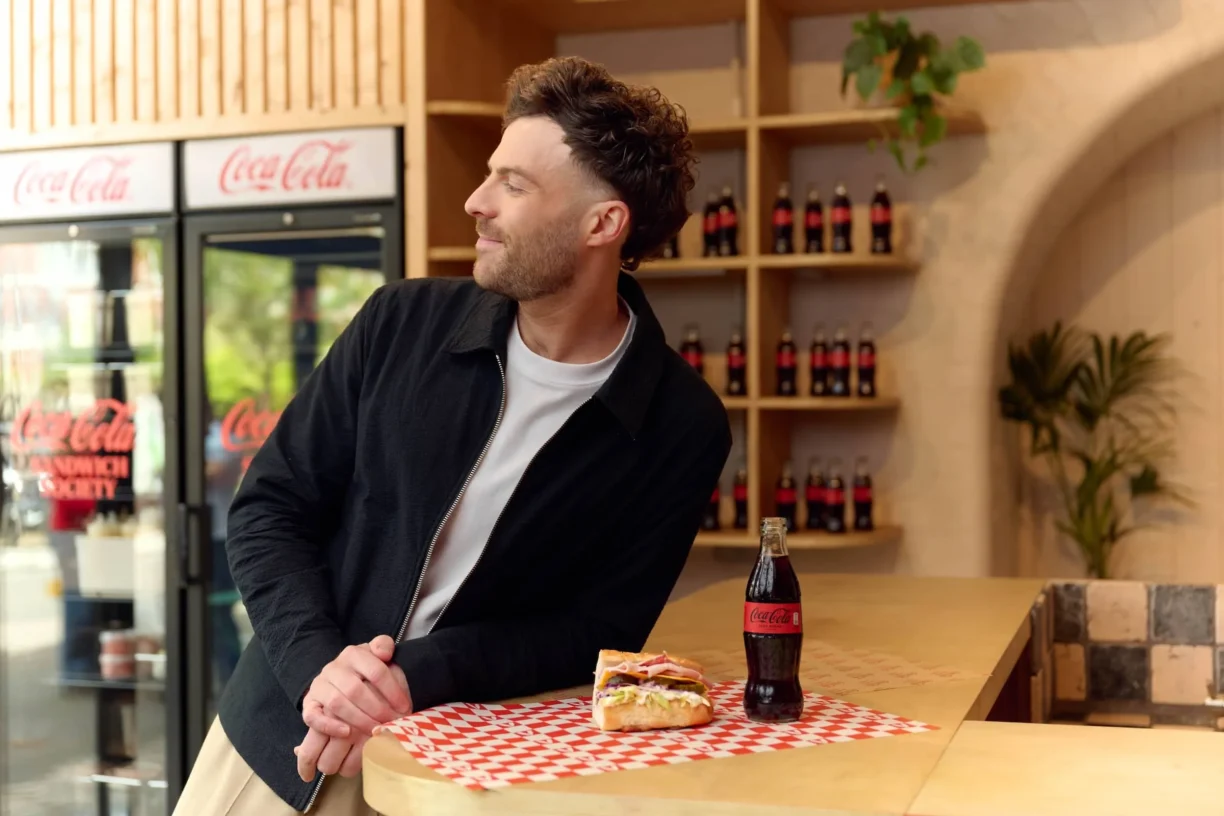
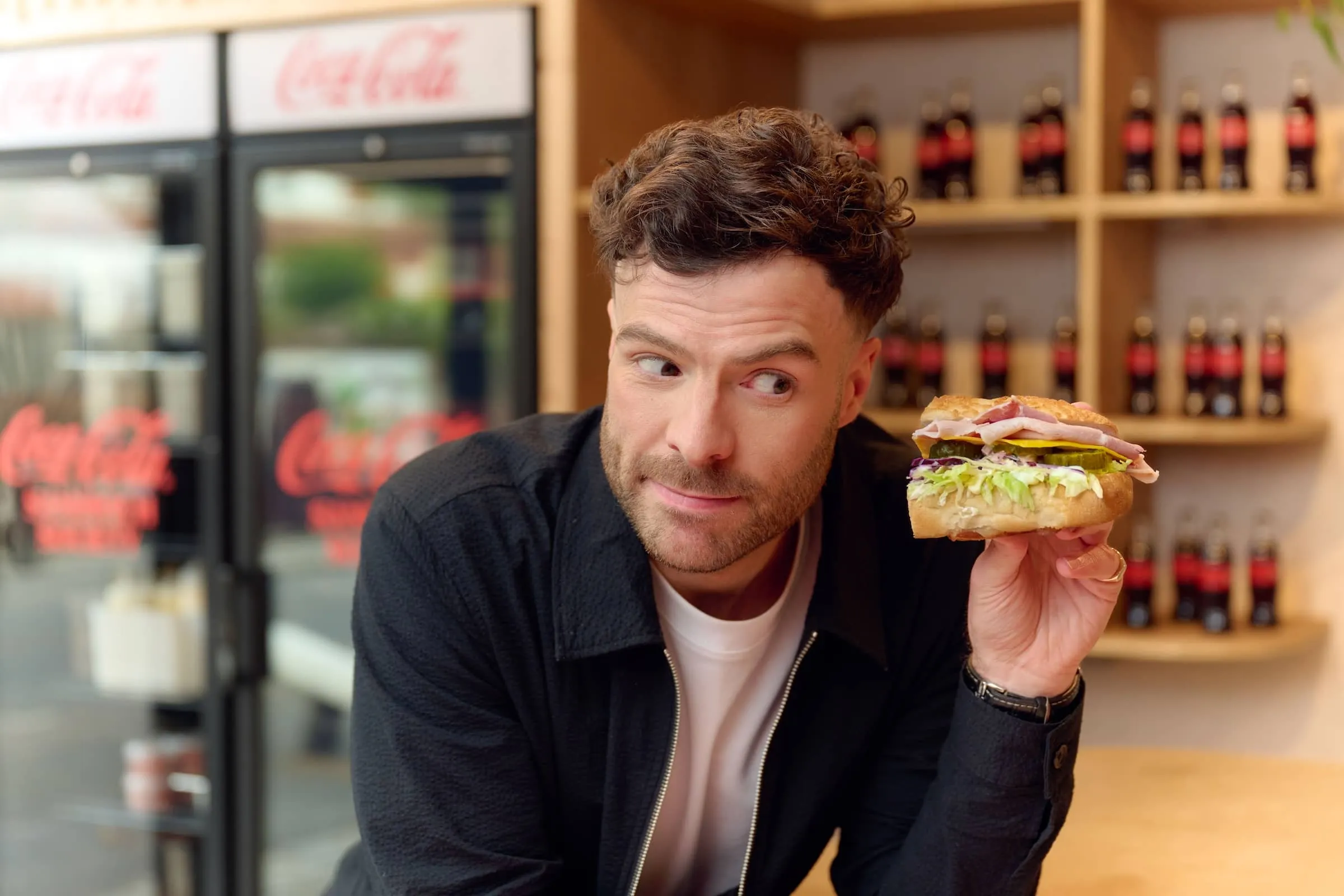
TV and radio presenter Jordan North has teamed up with Coca-Cola Zero Sugar to launch The Coke Sandwich Society, a new initiative designed to bring people together over Britain’s most recognisable lunchtime staple.
He says, “I’ve always been a massive fan of a good sarnie. It’s about taking a break, having a laugh, and properly enjoying your food with your mates. My Northern ham and coleslaw sandwich is an absolute belter.”
It is a fine defence of the sandwich as more than fuel. At its best, a sarnie is a pause button. A reason to step away from the screen, join the table, and remember that lunch should not be swallowed like a disciplinary procedure.
Britain Still Loves A Sandwich
Despite the generational shift, the sandwich is not being shown the door. Far from it.
On average, Brits eat sandwiches four times a week, while more than half of respondents, at 54%, agree that sandwiches remain a staple of British cuisine.
One in five, at 23%, even said a disappointing sandwich has the potential to ruin their day. Anyone who has ever opened a meal deal to find a filling distribution strategy best described as “criminally optimistic” will understand.
The affection remains. The standards are simply rising.
The Best Drink With A Sarnie
The survey also looked at what people want alongside their sandwich.
A fizzy drink came out on top, with 52% naming it the best partner for a sarnie. Water followed at 35%, while energy drinks came in at 32%.
Meanwhile, 17% said they enjoy a cuppa with a sandwich, and 18% prefer coffee. That final group is brave. There are few flavour pairings in life more confrontational than tuna mayonnaise and a flat white.
Are Classic Sandwich Fillings Finished?
Not quite. Classic sandwich fillings may be under pressure, but British food habits rarely disappear completely. They loiter. They adapt. They come back wearing better packaging.
Egg and cress will not vanish overnight. Tuna mayo will still have its loyalists. Cheese and pickle will continue to hold court wherever packed lunches, walking boots and Thermos flasks gather.
But the sandwich has clearly changed shape. Younger Brits want flavour, texture, heat, crunch and something that feels less like an obligation and more like a choice.
The great British sarnie is not dead. It has simply loosened its tie, opened the fridge, and discovered gochujang.