Celsius enters the UK with clean branding, zero sugar and a serious caffeine hit behind the wellness gloss.
Celsius has arrived in the UK looking less like an energy drink and more like the sort of thing you would expect to find beside a yoga mat, a Bluetooth water bottle and somebody called Finn who tracks his REM sleep. That, in itself, is the trick. For years this category looked as if it had been designed during a bar fight. Celsius turns up in a slim can with tropical flavours, zero sugar and fitness language, and suddenly the whole business looks a touch more respectable.
That is what makes it interesting.
This is not merely another can rattling onto a supermarket shelf. Celsius represents something bigger: the energy drink category tidying itself up, borrowing the language of wellness, and strolling into mainstream health culture with a cleaner shirt and better manners.
The energy drink that does not look like one
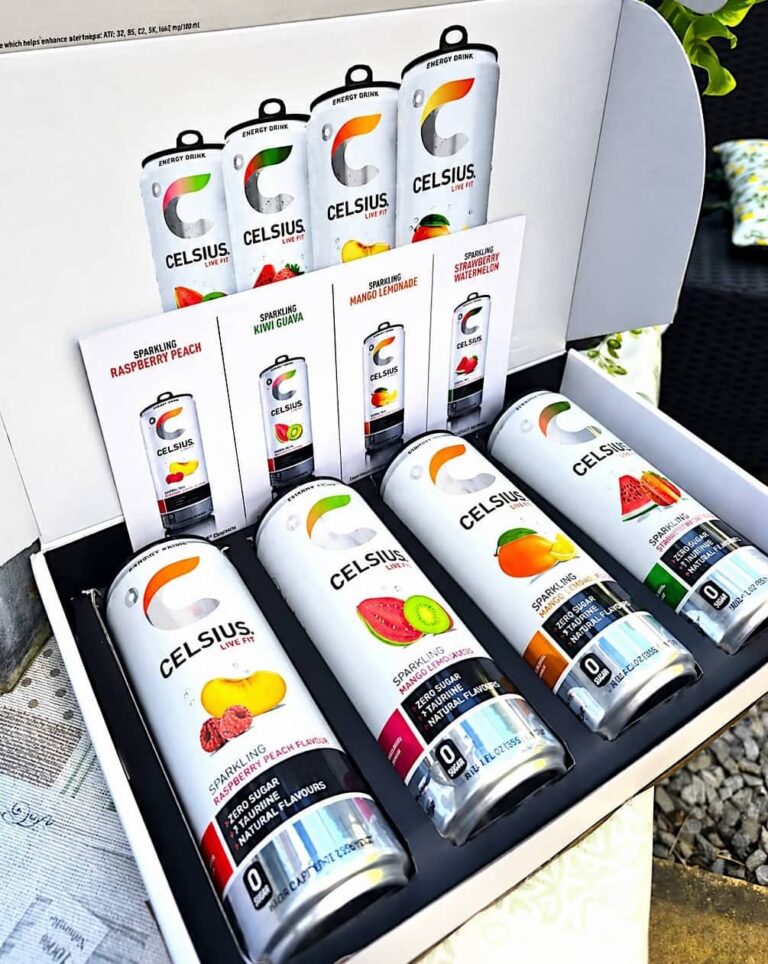
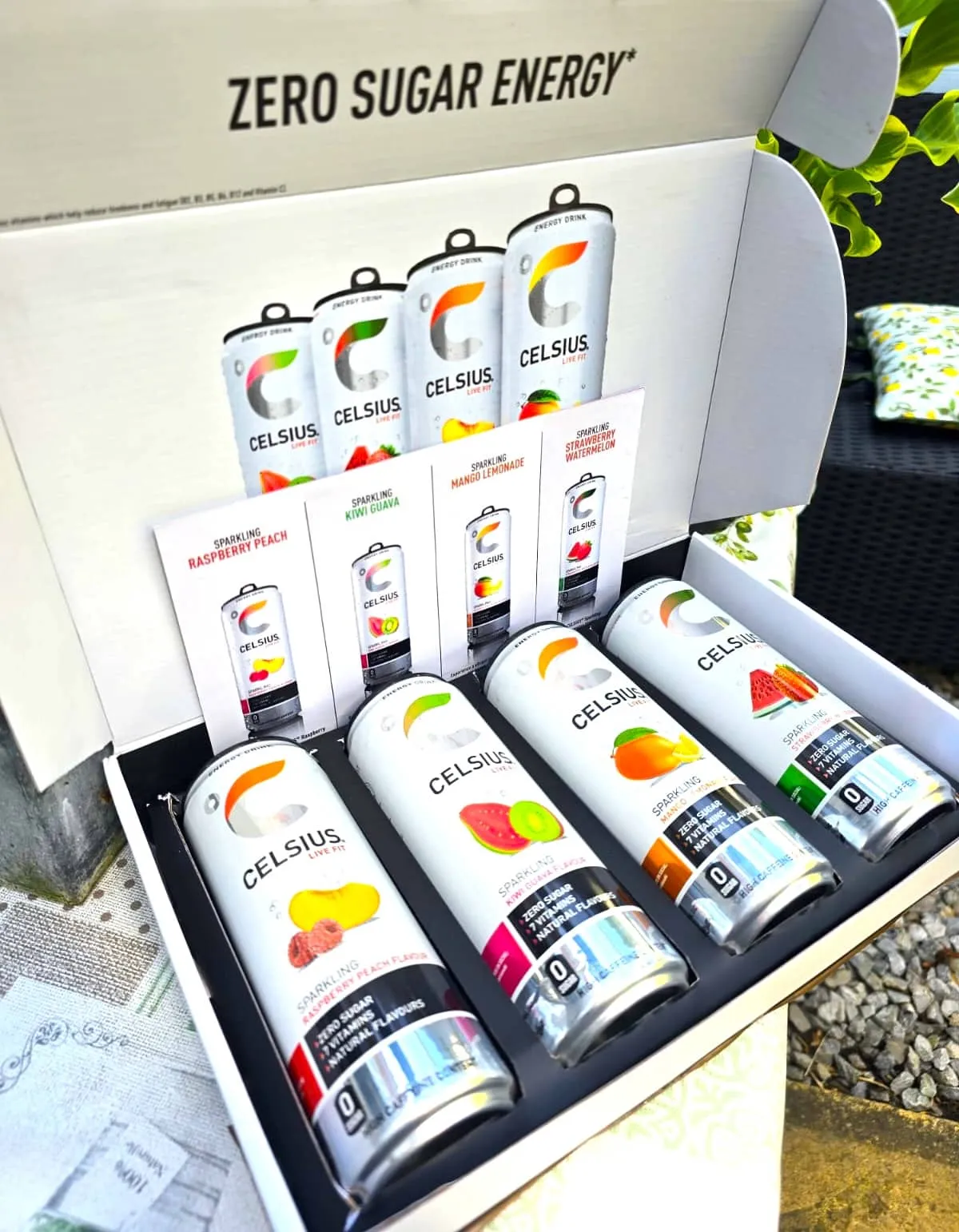
Celsius has launched in the UK with four sparkling flavours: Raspberry Peach, Kiwi Guava, Mango Lemonade and Strawberry Watermelon. The branding is bright, polished and deliberate. It is a long way from the old chaos-can formula of neon claws, heavy-metal typography and adolescent mayhem.
The appeal is obvious. Celsius is not selling rebellion. It is selling movement, routine and control. It wants to sit closer to gym culture, busy workdays and active lifestyles than to sticky service station fridges and poor decisions at midnight.
That shift matters because presentation changes perception. When a drink looks aggressive, consumers treat it one way. When it looks clean, fruit-forward and fitness-coded, they treat it another. Celsius has understood that modern energy is no longer being marketed as madness. It is being marketed as optimisation.
What really matters is inside the can
This is where the glossy exterior meets the small print.
Celsius pushes the familiar modern selling points: zero sugar, added vitamins and claims around supporting normal immune function, normal energy-yielding metabolism and helping reduce tiredness and fatigue. Those are neat, regulation-friendly lines, and they help the product feel functional rather than indulgent.
Still, the number that does the heavy lifting is not the vitamin C. It is the caffeine.
Celsius says each can contains 200mg. That is not an absurd amount for a healthy adult, but it is a meaningful hit. This is not a soft little fruity nudge to get you through a dull Tuesday. It is stimulant territory, however elegant the packaging may be.
That is the tension at the centre of Celsius. The can says freshness, wellness and better choices. The contents still say caffeine, and plenty of it.
Why Celsius matters in the UK right now
The brand has not wandered into Britain by accident. Celsius is arriving with real commercial intent. The company reported strong international growth in early 2025, with momentum in newer markets including the UK and Ireland. That tells you this is not a niche curiosity hoping for a lucky bounce. It is part of a serious push.
The rollout matters even more because it has muscle behind it. Celsius has support from a major distribution partner in these markets, which gives it a much better chance of becoming visible, available and culturally familiar.
In plain English, Celsius matters because it may show where the category is headed next: less sugar, cleaner branding, more wellness language, and a sharper understanding of how health-conscious consumers like to see themselves.
The health halo is where things get interesting
This is the part that should interest any sensible reader more than the flavour list.
A product with zero sugar, added vitamins and fitness-first branding can develop what marketers adore and journalists should eye with suspicion: a health halo. It can look gentler than it is. Safer than it is. More wholesome than it is. The design softens the judgement before the drink is even opened.
That does not make Celsius uniquely suspect. It makes it a very modern example of how packaging shapes behaviour.
A person might think twice before grabbing an old-school energy drink that looks like it sponsors motocross crashes and regrettable tattoos. They may think far less before picking up Celsius, because it looks like part of an active routine. Yet the caffeine still behaves like caffeine. Drink one late in the day and your sleep may still vanish like a three-putt confidence boost.
So where does Celsius fit?
For some adults, Celsius will make sense as a coffee alternative before training, a sugar-free swap for traditional energy drinks, or a once-in-a-while lift during a long day. In that context, the appeal is easy to understand. It is convenient, modern and far more in tune with current tastes than the syrupy relics that built the category.
But the word “healthier” needs handling with care.
If healthier means lower sugar and a more contemporary formula, Celsius has a case. If healthier means harmless, that argument starts wobbling on the first sip. A 200mg caffeine hit is still a physiological dose with consequences depending on the person, the timing and whatever else has already gone down the hatch that day.
For healthy adults, that may be manageable. For anyone sensitive to caffeine, running on poor sleep, already fuelled by coffee, or simply prone to feeling jangly, the sleek branding will not do much to calm the nervous system.
The bigger story behind Celsius
What makes Celsius worth watching is not whether it tastes decent or looks good in a gym bag, though it plainly hopes to do both. It is that the brand captures a broader cultural shift. People still want energy. They just no longer want it dressed like chaos.
They want it wrapped in the language of balance, performance and self-improvement. They want the stimulant, but preferably with better fonts.
And that is why Celsius is more than a new arrival on the shelf. It is a sharp little case study in how modern wellness works: tidy on the outside, complicated underneath, and always clever enough to know exactly who it is talking to.