Cascais is redefining itself as a year-round Atlantic playground of culture, sport, luxury and coastal escape.
There are destinations that live brilliantly for eight weeks a year, then fold up like deckchairs and wait for next June. Cascais appears to have other ideas. This polished Atlantic town on Portugal’s western edge is redefining itself as a year-round playground, where sport, music, food, golf and luxury hospitality are no longer separate selling points, but part of one broader, smarter proposition.
That is the shift here. Cascais is not simply inviting visitors to come when the sun is high and the terraces are full. It is building a fuller identity, one that stretches from spring cultural buzz to autumn endurance sport and into winter festivities, all backed by a significant new hotel chapter that signals real confidence rather than the usual glossy hand-waving.
Cascais stops behaving like a seasonal beauty
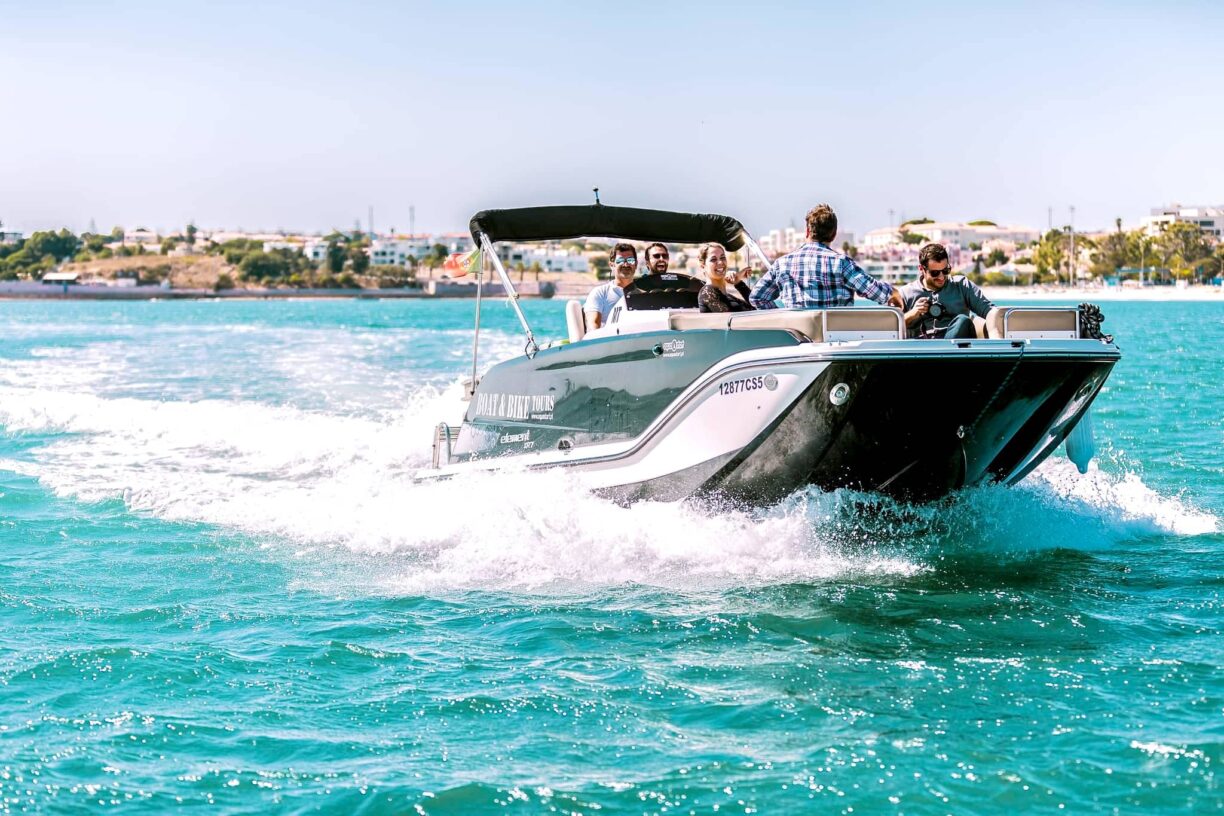
The old model for coastal destinations was simple enough: look wonderful in summer, remain agreeable in September, then quietly disappear behind shuttered windows and reduced menus. Cascais is edging away from that script.
The event calendar now gives the town a pulse well beyond peak holiday season. Cultural energy starts to build in spring before the place shifts into a festival mood from late May. By early July, Ageas Cooljazz 2026 returns, bringing international artists into atmospheric outdoor venues across Cascais. The town already has the sort of evening light that makes nearly everyone look as if they have made better life choices than they actually have, so jazz under the open sky feels a particularly sound use of it.
The Cascais Jazz Festival carries that momentum into the shoulder season, drawing a cosmopolitan crowd that tends to prefer its culture with a little intimacy and its destinations with a little texture. This is not mass-market noise. It is part of a more refined pitch: Cascais as a place with style, rhythm and enough self-assurance not to overdo it.
Fire, flavour and the art of doing luxury without stiffness
Then comes September, and with it a change in scent and tempo. Chefs on Fire returns from September 19-20, bringing together leading chefs, live-fire cooking and music in open-air surroundings that suit Cascais down to the ground.
It is the kind of event that tells you a great deal about a destination. Plenty of luxury spots can do fine dining. Fewer can make it feel loose, social and rooted in the place itself. That is the appeal here. High-end cuisine arrives without the starched-tablecloth solemnity, and the whole thing feels more like a gathering than a performance.
For travellers who now want more than a nice room and a predictable tasting menu, this matters. Cascais is increasingly selling experience as atmosphere rather than checklist. Good food tastes better when the setting has some soul to it, and this stretch of coastline has soul in abundance.
A sporting destination with salt in its veins
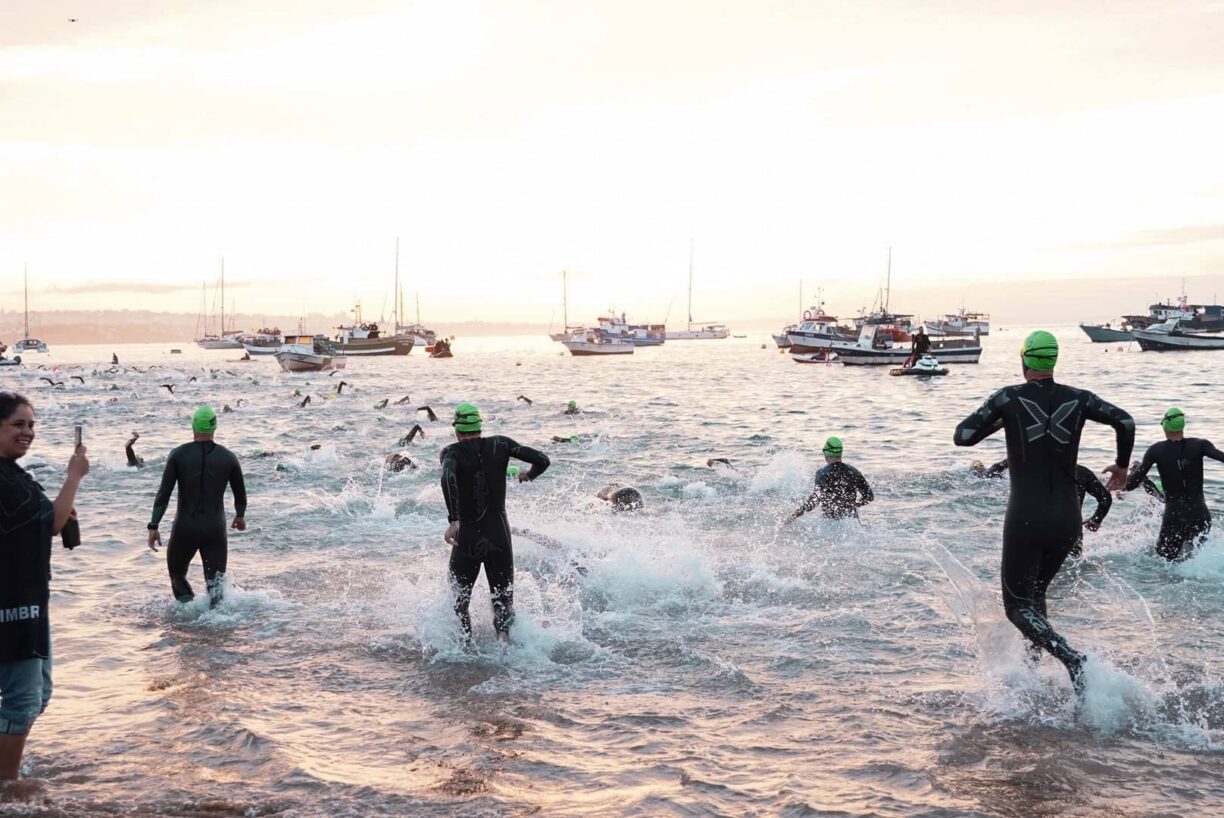
Sport adds another layer to the story, and not merely as a decorative extra. Ironman 70.3 Cascais returns on October 17, bringing elite athletes and international spectators to a coastline made for dramatic television and deeply questionable personal decisions.
Yet the race is about more than one day of grimacing and expensive bicycles. It reinforces something fundamental about Cascais: active travel fits the place naturally. Cycling, ocean swimming and outdoor life are not trends pasted onto a brochure here. They are woven into the daily fabric of the town.
That gives Cascais a different feel from coastal resorts that offer “wellness” as though it were a scented side dish. This is a destination where movement belongs. The Atlantic is not just scenery. It shapes the climate, the rhythm and the identity of the place.
For golfers, too, there is substance behind the sales pitch. Cascais has long understood the appeal of championship golf in a landscape where sea air and pine-lined calm can coexist rather beautifully. It strengthens the sense that this is not a one-dimensional beach destination but a more complete sporting and leisure environment.
The Atlantic light still does plenty of heavy lifting
Of course, a place can have all the events in the world and still feel flat if the setting lacks character. Cascais does not have that problem.
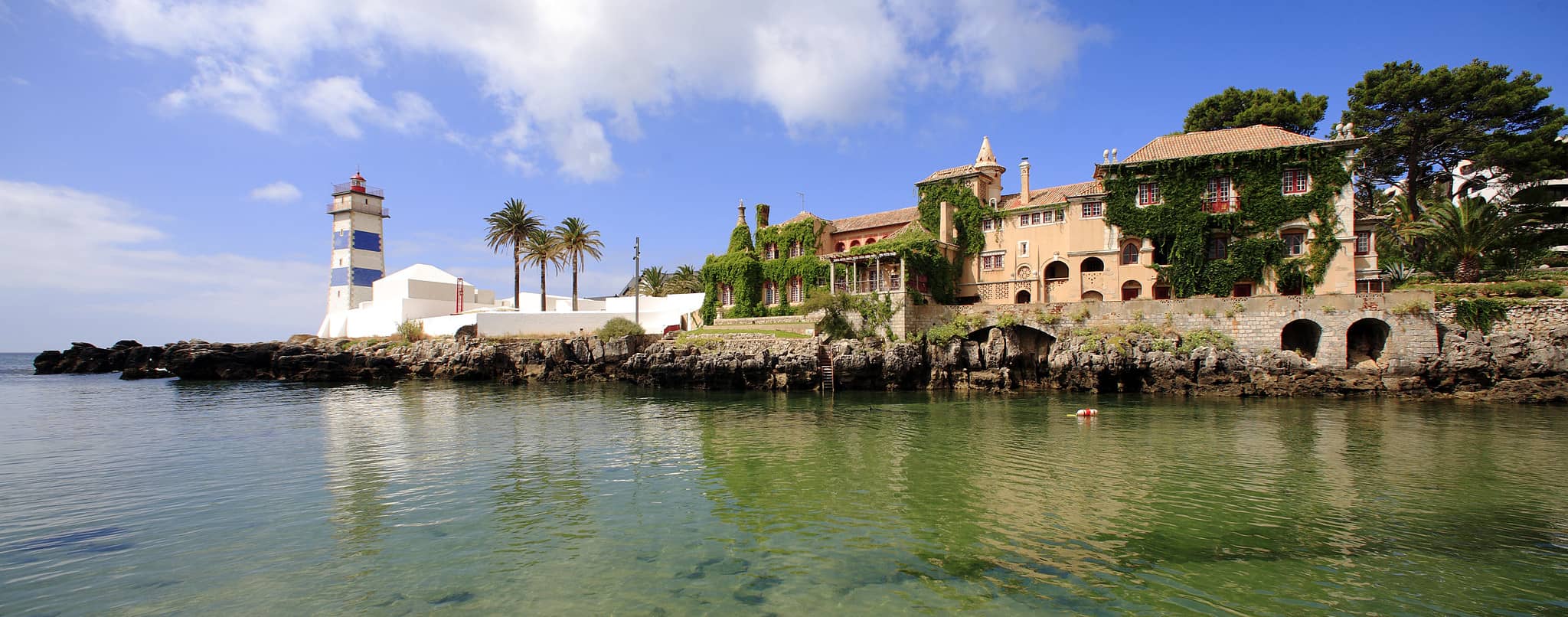
The Atlantic gives it definition. The light is crisp, the coastline dramatic without becoming theatrical, and the climate remains one of its great assets. Even outside the height of summer, the town offers mild temperatures and that clean, breezy brightness that makes a morning walk feel like a sensible life upgrade.
There is elegance here, but not the sort that keeps checking its reflection. Cascais manages to feel refined and relaxed at once. That is harder to achieve than many places imagine. Too much polish and a destination becomes sterile. Too much informality and it loses shape. Cascais sits neatly between the two, with enough sophistication for luxury travellers and enough authenticity to avoid becoming a stage set.
Winter is no longer the quiet afterthought
If Cascais is truly redefining itself, winter is where the claim has to hold up. Increasingly, it does.
From late November through to early January 2027, the town shifts into festive mode with its Christmas Village, family-friendly programming, light installations, markets and New Year’s celebrations. It is a softer draw than the summer calendar, but no less strategic.
That quieter season may, in fact, become part of Cascais’ strongest appeal. Fewer crowds, mild Atlantic temperatures and a hospitality scene that remains sharp rather than sleepy create the sort of off-season break many travellers now actively seek. There is a growing market for places that feel alive in winter without descending into forced cheer or empty grandeur. Cascais looks increasingly comfortable in that space.
A new hotel chapter gives the reinvention weight
A destination does not truly redefine itself through events alone. It needs infrastructure, investment and a sense that serious players believe in the future being sold. Cascais now has that too.
The Onyria Group, owner of two hotels and a Robert Trent Jones Snr-designed 18-hole golf course, has announced a landmark partnership with IHG Hotels & Resorts. It is the kind of deal that places a destination more firmly on the international luxury map, but what makes it notable is the structure behind it.
Under the franchising agreement, ownership and management of both Portuguese hotels remain with the Onyria Group and the Pinto Coelho family, while IHG brings global reach, scale and brand visibility. That means international recognition without losing local stewardship, which is generally a healthier arrangement than handing the keys to a distant corporate handbook.
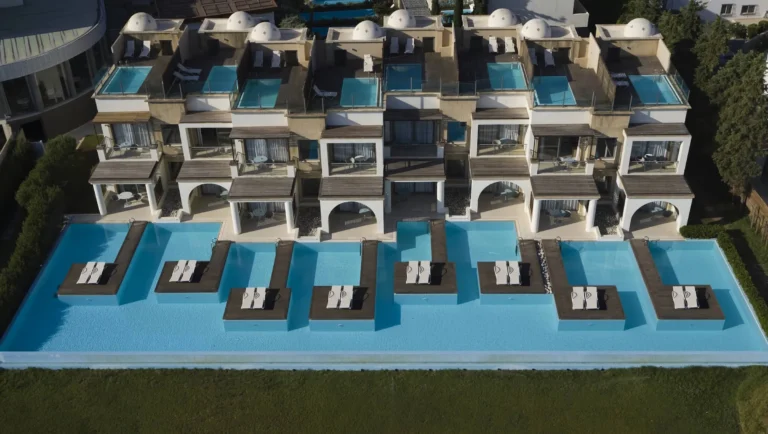
From June, the group’s flagship property will relaunch as Kimpton Quinta da Marinha Cascais, joining the Kimpton Hotels & Restaurants portfolio. Set within the Quinta da Marinha estate and only half an hour from Lisbon airport, the hotel includes an acclaimed par-71 golf course and is reopening after renovations across its 198 rooms, three restaurants, spa and public spaces.
Meanwhile, the existing Onyria Marinha Boutique Hotel and a collection of private villas were brought together last summer as Onyria Marinha Cascais – Vignette Collection. As IHG’s brand for independent luxury hotels with strong identity, the Vignette Collection is a natural fit for a setting defined by tranquillity, nature and the understated elegance of the Sintra-Cascais Natural Park.
An investment of €10 million is being made across renovations, interior design and rebranding as the properties transition. IHG, for its part, offers access to more than 145 million IHG One Rewards members, while Onyria retains operational control and the existing management teams stay in place.
João Pinto Coelho, chief commercial officer of the Onyria Group, said: “We believe the IHG brands are perfectly aligned with our vision of preserving the cultural heritage of our destination while offering authentic and unique experiences. This partnership brings global recognition while allowing us to remain true to Cascais.”
More than a resort, less than a cliché
That last point may be the most important of the lot. Plenty of destinations become less themselves as they chase international attention. Cascais seems keen to avoid that particular trap.
Its appeal lies not simply in luxury, or events, or golf, or food, though it has all four in respectable order. The real strength is the way those elements now sit together as part of a more coherent identity. Cascais is becoming the kind of destination that can host an endurance race in autumn, a jazz night in summer, a festive family escape in winter and a quietly excellent golf break somewhere in between without ever appearing confused about what it is.
That gives it an advantage over rivals that still trade almost entirely on weather or one-season glamour. Compared with other elite coastal escapes, Cascais feels more rounded, less showy and better built for repeat visits. It offers luxury without stiffness, culture without pretension and activity without the need to shout about it every five minutes.
The Atlantic playground grows up
What is happening in Cascais is not a reinvention in the dramatic, identity-crisis sense. It is something more convincing than that. The town is refining what it already does well and stretching it across the calendar with greater confidence, sharper positioning and better support from hospitality investment.
The result is a destination that feels less like a summer flirtation and more like a lasting proposition. Cascais still has the ocean, the light and the coastal grace that first put it on the map. Now it also has a stronger year-round rhythm, a broader cultural and sporting life, and a luxury travel story with real weight behind it.
In other words, rather than relying on summer alone, Cascais is building a destination story with substance in every season, and on this evidence, it has a rather good case.