A bold new take on ageing shifts the wellness conversation from fear, vanity and decline to strength, capability and long-term health.
Meta Age is not selling the fantasy that you can outrun the calendar with a tub of powder, a frozen forehead and a devotional relationship with collagen. The latest issue of Wayne Lèal’s Meta Age magazine is doing something more useful, and far less hysterical: asking why ageing has been turned into a personal defeat.
It is a neat little grenade lobbed into the wellness industry’s lavender-scented bunker.
For years, health and fitness culture has spoken about ageing as though it were a plumbing fault. Something to reverse, slow, delay, defy or at least disguise under flattering lighting. The shelves groan with promise. The algorithms serve up eternal youth with a discount code. The message, once the packaging is removed, is usually the same: getting older is the problem.
Meta-Age disagrees.
A Cover That Says The Quiet Part Out Loud
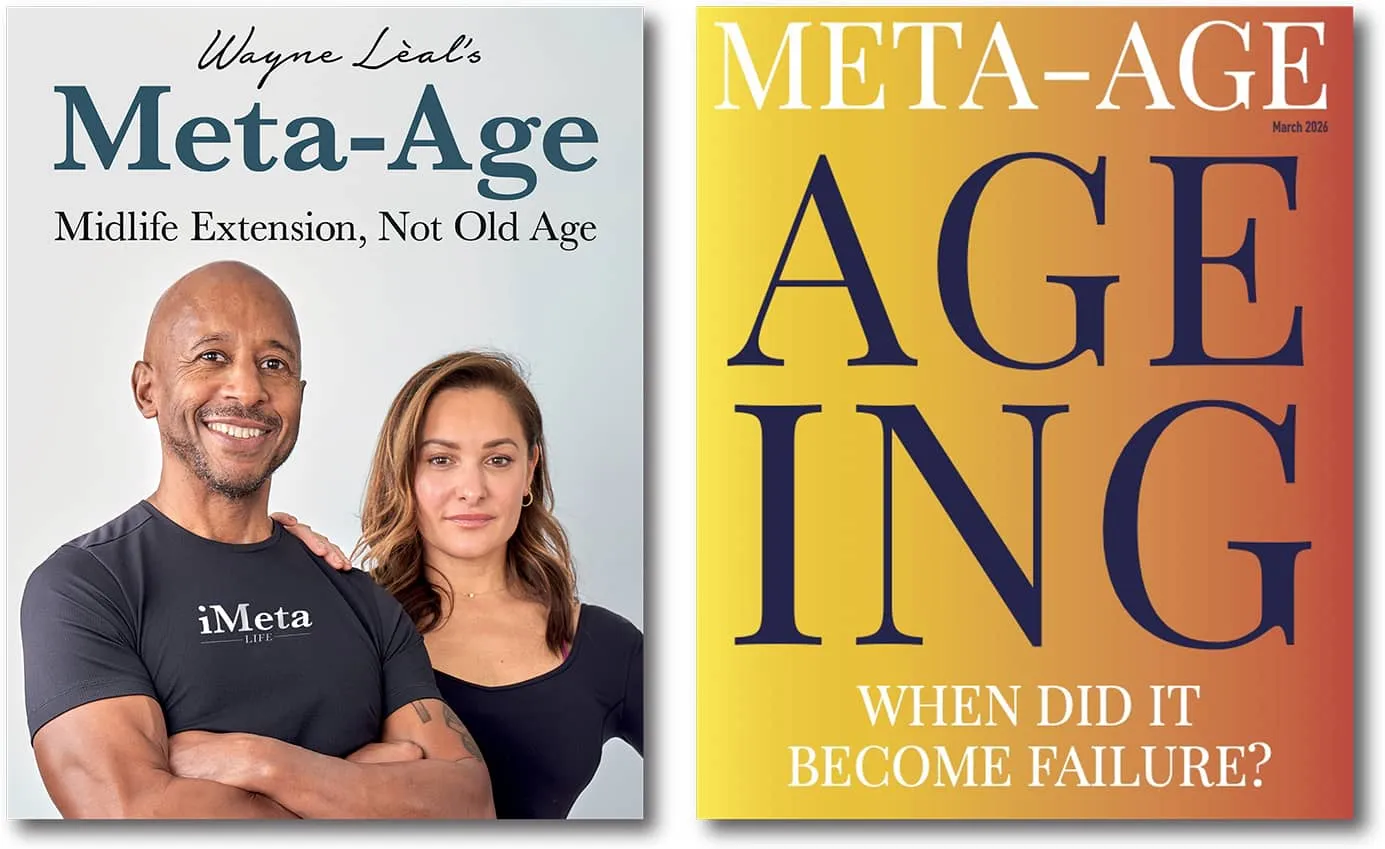
The magazine’s cover is striking because it does almost nothing. No shouting. No miracle plan. No impossibly serene model pretending that breakfast is always eaten beside linen curtains and a neutral-toned smoothie.
Just one word: AGEING.
Then the line: “When did it become failure?”
It is a good question. Also an uncomfortable one, which is generally how you know it is worth asking.
Most lifestyle media still treats ageing as a slow-motion surrender. Strength fades. Posture folds. Balance becomes a negotiation. Joints complain like members of a golf club committee. The advice is often framed as a holding action against the inevitable.
Meta-Age takes a more grown-up view. It suggests that time is not the only culprit. Neglect has been doing a great deal of work in the background.
The Real Enemy Is Not The Birthday Cake
The central argument behind Meta-Age is simple, but not simplistic: many of the physical problems we associate with getting older are not caused by age alone. They are often the accumulated result of ignoring the body’s structure for too long.
Strength, posture, balance and mobility are not glamorous words. They do not sparkle on a supplement label. They are, however, the difference between ageing with confidence and ageing with a rising sense of negotiation every time a staircase appears.
That is where Wayne Lèal’s philosophy becomes interesting. Rather than obsessing over weight loss or cosmetic youthfulness, Meta-Age puts capability at the centre of the conversation.
Can you move well? Can you stay strong? Can you remain physically independent? Can you trust your body to do ordinary things without turning every task into an expedition?
These are not vanity questions. They are quality-of-life questions.
Wayne Lèal’s Meta-Age Philosophy
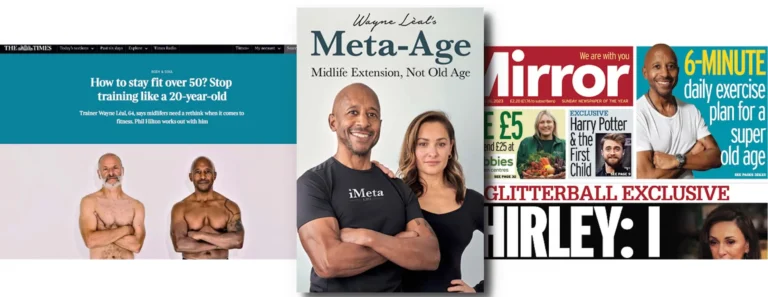
The roots of the idea go back to Wayne Lèal’s original Meta-Age book, which introduced the concept of extending midlife rather than treating old age as a cliff edge.
Lèal, an author and coach, coined the phrase Meta-Age. The word “meta” comes from the Greek meaning “beyond,” reflecting the idea of moving beyond stale assumptions about ageing and towards a more constructive model of healthy longevity.
The book drew significant attention after being featured in The Times, generating more than 30,000 online searches from readers curious about Lèal’s approach to movement and long-term health.
That interest says something. People are not short of wellness advice. They are drowning in it. What they lack is a framework that does not begin by insulting the natural process of being alive for a bit longer than last year.
Lèal’s version is less theatrical. Ageing is not the enemy. Physical decline is not always destiny. The aim is not to stop the clock, because the clock has never shown the slightest interest in taking requests. The aim is to remain capable for as long as possible.
Strength, Balance And The Unglamorous Stuff That Works
There is growing scientific support for the direction of travel. Muscle mass, balance and movement quality are increasingly recognised as important parts of long-term health.
That does not make for the most thrilling billboard. “Improve Your Movement Quality” is unlikely to trouble the perfume campaigns at Christmas. But it is practical, and practicality is wildly underrated in wellness.
Structural strength matters. So does stability. So do daily movement habits. Not the sort performed for social media applause, but the ordinary, repeatable habits that help a body remain useful.
This is where Meta-Age separates itself from much of the anti-ageing circus. It is not promising agelessness. It is making the case for preparedness.
There is a big difference.
Why Meta-Age Cuts Through The Wellness Noise
The magazine’s tone is noticeably restrained, which in modern wellness feels almost radical. Its articles read less like sales copy and more like thoughtful commentary on how we think about health, ageing and the body.
The design follows suit. Clean. Direct. Uncluttered. No visual stampede of miracle headlines. No before-and-after melodrama. No promise that your biological age will apologise and leave the room by Thursday.
Instead, Meta-Age presents itself as a reflective health journal. It is interested in better questions, not louder claims.
That matters because the ageing conversation has become strangely childish. Much of the market still behaves as if the highest compliment a person can receive is that they do not look their age. Meta-Age seems more interested in whether they can live their age well.
Ageing As Capability, Not Cosmetic Warfare
For readers approaching midlife, or anyone beginning to think seriously about the decades ahead, the appeal is obvious. Meta-Age gives language to something many people already sense: that health should not be measured only in weight, appearance or the illusion of youth.
The more useful measure is capability.
Can you carry? Lift? Walk? Balance? Recover? Sleep? Move without fear? Continue doing the parts of life that make life feel like yours?
That is a more intelligent benchmark than pretending ageing can be beaten into submission with a serum and a motivational caption.
In a wellness culture that often profits from insecurity, Meta-Age offers a calmer and sharper message.
Ageing is not failure.
Neglect is.
And the sooner we learn the difference, the better chance we have of meeting the years ahead standing tall rather than clinging to the bannister like it owes us money.