Learn practical, research-based daily habits to improve longevity, mobility, brain health, and emotional wellbeing as you age.
Ageing well has nothing to do with pretending you’re still 35. It’s about decoding your body’s feedback and making smarter choices in response. Every joint twinge, every energy dip, every change in sleep or appetite—it’s all information. Not punishment.
This isn’t the start of a decline. It’s the start of you listening more closely.
You’re Not Just Getting Older—You’re Getting Smarter (Literally)
Let’s ditch the stereotype of ageing as a slow mental fade. Research shows that while certain types of memory may dip, reasoning, vocabulary, and emotional intelligence actually increase with age. Wisdom isn’t just poetic. It’s neurological.
When you combine experience with better self-awareness, your decision-making sharpens, especially around your health.
The New Metrics of Health Over 60
Gone are the days when health meant simply weight and cholesterol. Now, the markers of ageing well include:
- Grip strength (linked to longevity)
- Sleep quality and consistency
- Muscle retention and mobility
- Cognitive resilience
- Social connection and purpose
Tracking these isn’t about fear. It’s about focus.
Why Movement Still Outranks Motivation
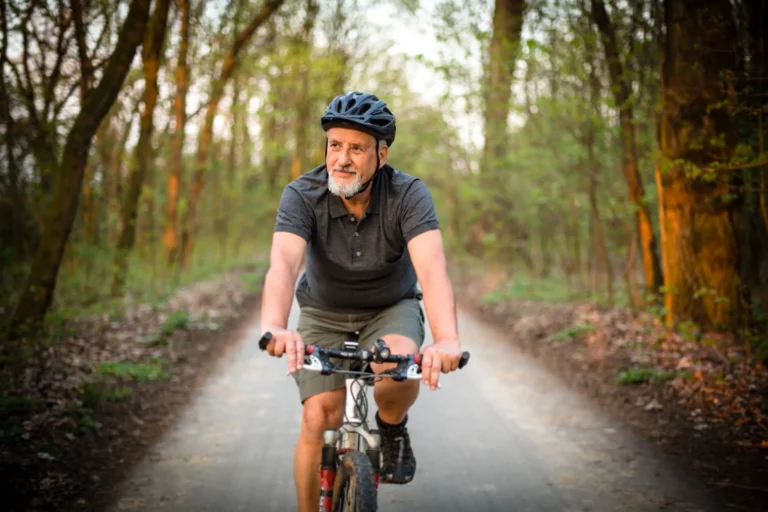
You don’t need to feel inspired to take care of your body. You just need to move. Studies show that regular low-impact movement, like walking, yoga, swimming, improves joint health, mood regulation, and brain function.
Motion isn’t just exercise. It’s medicine.
Cognitive Health Isn’t a Bonus. It’s the Baseline
The brain ages just like the body, but it responds well to challenge. Reading, learning new skills, socialising, and even playing games can all improve neuroplasticity.
Mental stagnation, not age, is what leads to decline. Keep learning. Keep engaging. Keep curious.
How Emotional Fitness Shapes Physical Resilience
Chronic stress speeds up ageing. It increases inflammation, worsens sleep, and sabotages recovery. That’s why emotional regulation isn’t soft stuff—it’s foundational.
Practices like mindfulness, talk therapy, deep breathing, and setting boundaries can boost your body’s ability to heal and adapt. Your nervous system isn’t separate from your strength. It is your strength.
Longevity Without Joy Isn’t the Goal
Sure, we want to live longer. But what’s the point if you’re not enjoying any of it? Prioritising joy, purpose, connection, and small daily pleasures isn’t indulgent. It’s essential for healthy ageing.
Laughter reduces cortisol. Purpose boosts serotonin. Happiness literally keeps you alive longer. This isn’t fluff. It’s biology.
What Science Says About Purpose and Ageing
Studies show that people with a purpose in life have a significantly lower risk of death. In one study analysing over 1,200 older adults, those with stronger purpose had a 40% reduced risk of mortality over five years:
- Lower risk of cognitive decline
- Reduced cardiovascular disease
- Greater life satisfaction
- Stronger immunity
Purpose can look like volunteering, mentoring, learning, creating, or simply staying engaged with your community.
Daily Habits Backed by Research
Ageing well isn’t one big decision. It’s dozens of small ones:
- Prioritise sleep
- Move daily, even for 10 minutes
- Drink water before coffee
- Stay curious and mentally active
- Nourish relationships
For practical, real-world strategies rooted in research, explore these insights on aging well that go beyond basic advice.
Don’t Just Live Longer. Live Sharper.
The future isn’t about erasing age. It’s about ageing on your own terms—strong, self-aware, and joyfully present.
Because ageing well doesn’t mean resisting change. It means adapting like a pro.