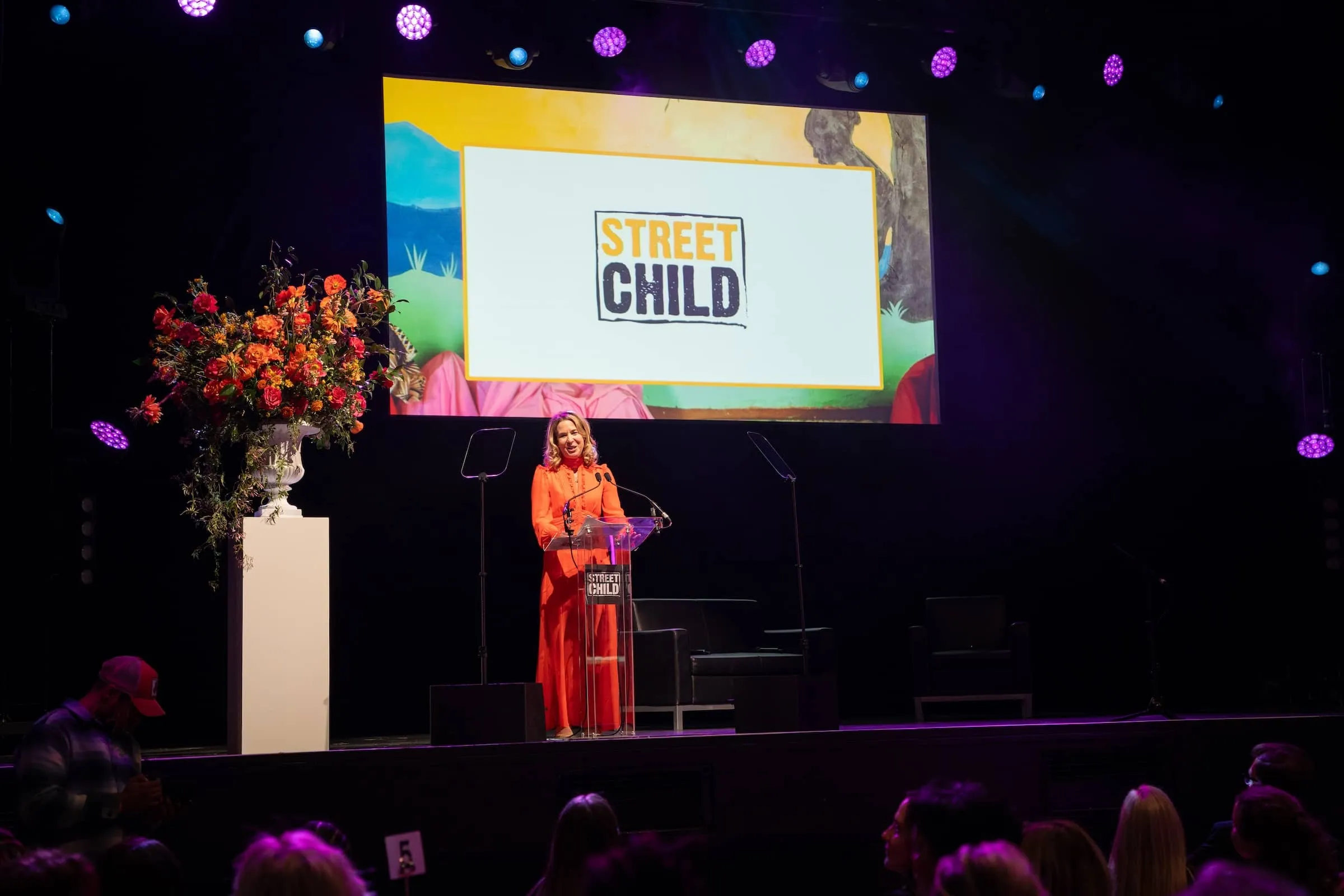
Street Child’s London gala united stars and donors to raise vital funds for girls’ education worldwide.
There are glamorous evenings, and then there are evenings with a point. Street Child’s International Women’s Day Gala in London managed to be both, gathering a high-profile crowd at indigo at The O2 while keeping its eyes firmly on a cause that matters: girls’ education in places where getting into a classroom is still far from guaranteed.
Around 400 guests from entertainment, business and philanthropy arrived for a night built on more than applause and camera flashes. The event was designed to raise vital funds and sharpen attention on the work Street Child is doing across more than 20 low-income and crisis-affected countries, where poverty, conflict and climate shocks continue to place enormous obstacles in front of children, especially girls.
Hosted by presenter Priscilla Anyabu, the evening carried the sort of energy that red carpet events often promise and rarely deliver. This one had purpose running right through it. Beneath the formalwear and flashbulbs was a clear message: education is not a luxury, and for millions of girls around the world it remains frustratingly out of reach.
A London Gala With Global Stakes
The room may have been in one of London’s best-known venues, but the real story stretched far beyond the capital. Street Child’s mission is rooted in communities where school can be interrupted or denied by war, displacement, food insecurity or economic hardship. In those places, the knock-on effect of education is enormous. It can alter the prospects of a girl, her family and, in time, the wider community around her.
That was the heartbeat of the evening. This was not charity dressed up as theatre. It was a reminder that investment in girls’ education still has one of the clearest returns in global development, particularly in fragile environments where the odds are stacked high and often stacked early.
Since 2008, Street Child has supported the education of more than 1.6 million children, including over 880,000 girls. It has also helped families build sustainable livelihoods, a crucial piece of the puzzle because education becomes much harder to sustain when survival itself is a daily calculation.
Star Power, But No Empty Gestures

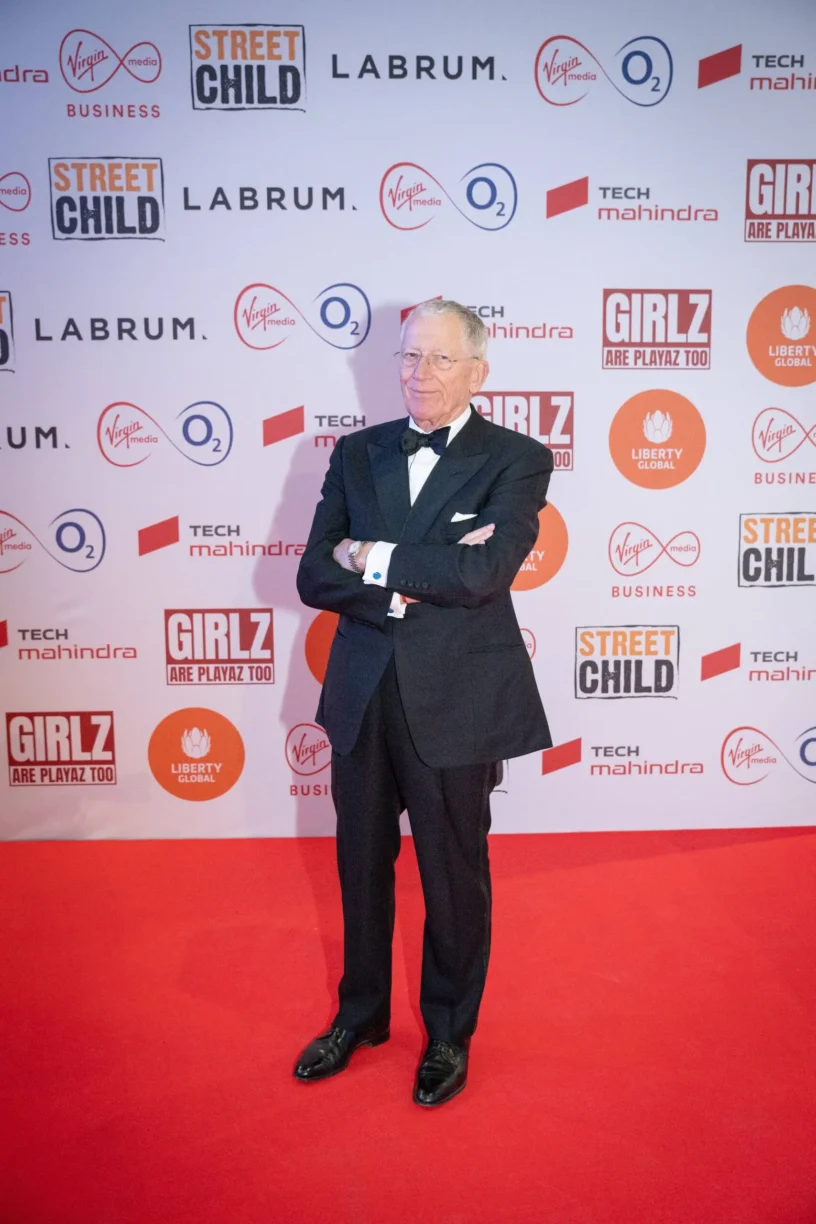
High-profile guests included actor, entrepreneur and humanitarian Sabrina Dhowre Elba, Penny Lancaster, and broadcaster and business figure Nick Hewer. Their presence brought visibility, certainly, but the evening avoided the usual trap of celebrity becoming the whole story.
Sabrina Dhowre Elba delivered the keynote speech, focusing on the wider impact of backing women and girls with education and economic opportunity. It was a theme that ran through the night: educate a girl and you do not merely change one life, you alter the direction of several.
Lucinda Dannatt, Founder of Street Child, said: “Across the communities where Street Child works, millions of girls are still fighting for something many of us take for granted: the chance to go to school. Poverty, conflict and crisis too often stand in their way. But when a girl is able to learn, everything changes. Her confidence grows, her opportunities expand, and the future of her family and community shifts with her. This evening brought people together who are determined to help remove those barriers, raising vital funds so more girls can step into classrooms, realise their potential and shape the futures they deserve.”
Why Girls’ Education Remains the Central Fight
For all the progress made in global education, the numbers still tell a stubborn story. In many of the regions where Street Child works, girls face barriers that are layered and relentless. School fees, domestic responsibilities, unsafe travel, instability at home, and wider community disruption all conspire to make education something fragile rather than guaranteed.
That is why Street Child’s work resonates. It is not simply about opening a school gate and hoping for the best. It is about building the conditions that allow girls to stay in education and benefit from it. That means supporting families as well as students, and recognising that resilience is easier to talk about than fund.
Sabrina Dhowre Elba said: “The work Street Child is doing shows what is possible when we back women and girls with real opportunity. I’m proud to stand with them this International Women’s Day to help ensure more girls can access the education and support they need to shape their own futures. When we invest in girls’ education, we invest in stronger communities, healthier families, and a more equal world. Yet millions of girls are still denied the chance to learn simply because of where they are born or the challenges their communities face.”
More Than a Celebration
International Women’s Day events can sometimes drift into the territory of polished sentiment. This one had a harder edge to it, in the best possible way. The celebration was real, but so was the urgency.
Penny Lancaster said: “I’m delighted to be supporting Street Child this International Women’s Day. Every girl and every woman deserves safety, education and the freedom to believe in her future, yet for so many it simply isn’t a reality. What I love about Street Child is that they work in some of the toughest places around the world and create real, lasting change. This evening is about coming together to give more girls and women the opportunity and independence that education brings. It’s a cause very close to my heart and I feel honoured to be part of it.”
That phrase, “real, lasting change,” is doing a lot of honest work. It speaks to why organisations like Street Child matter. They operate in places where the problems are not fashionable and the solutions are not instant. There is nothing especially glossy about long-term development, but there is something deeply valuable in it.
What the Night Meant
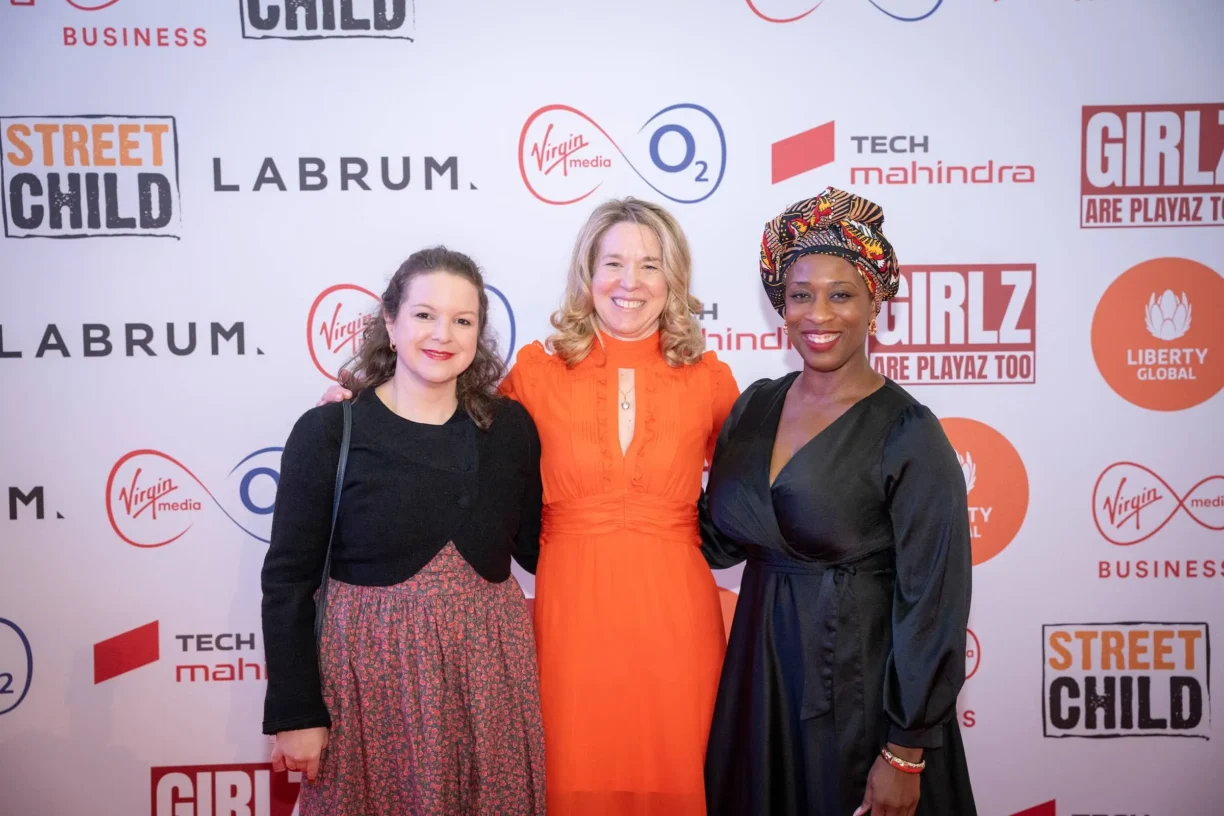
The gala succeeded because it understood its job. It brought together influence, generosity and attention, then pointed them in the right direction. No grandstanding, no needless self-congratulation, just a strong case for why girls’ education deserves serious backing.
Nick Hewer said: “I’m proud to support Street Child and their work giving girls and women the chance to go to school. Every extra year of learning can increase a woman’s earnings by 10-20 per cent, giving her independence while also benefiting her community and beyond. Investing in girls and women transforms lives and strengthens communities for generations to come.”
That, in the end, is the quiet force behind Street Child’s work. Education is not merely about attendance registers and schoolbooks. It is about agency, dignity, earning power, health, security and the ability to imagine a life beyond immediate hardship.
The Last Word on Street Child
Street Child’s International Women’s Day Gala was a smart reminder that meaningful change rarely arrives with fanfare alone. It takes funding, persistence and the kind of collective will that can turn concern into action.
On this occasion, London provided the backdrop, but the real focus stayed where it belonged: on girls around the world still waiting for the education they deserve, and on the work Street Child is doing to help make that future possible.
For more information, visit Street Child’s website at street-child.org.