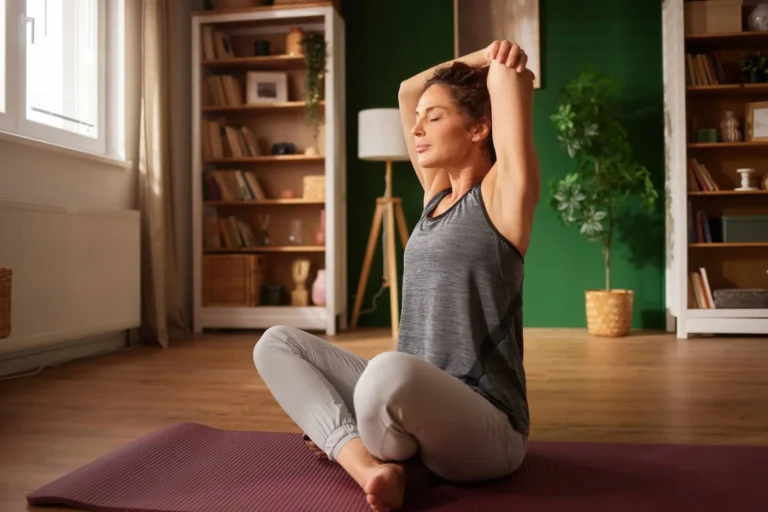
Sensible self-care is the key to improved mood and decreased anxiety.
Self-care habits do not need to involve a silent retreat, a £90 candle or a breakfast bowl arranged with tweezers. More often, the things that genuinely help are painfully ordinary: sleep, movement, purpose, fresh air, a little less screen time, and doing something that makes you feel human again.
The trouble is, self-care has been hijacked by the sort of language that makes you want to lie down in a darkened room. But beneath the noise, the principle is simple. Looking after yourself mentally, emotionally and physically can improve your mood, reduce stress and make daily life feel less like a badly packed suitcase.
Here are six simple ways to start.
Sleep Is Still The Original Mood Booster
There is no shortcut quite like a good night’s sleep. Not exciting, admittedly. No one is making a Netflix documentary about turning your phone off and going to bed. But sleep remains one of the most powerful self-care habits we have.
Lack of sleep can leave you irritable, flat, distracted and emotionally frayed. It is hard to feel calm and positive when your brain is running on fumes and yesterday’s caffeine.
A proper night’s rest, or even a short nap when life allows, can help reset the body and mind. The aim is not perfection. It is consistency. A regular bedtime, less late-night scrolling and a calmer evening routine can make a noticeable difference.
Volunteering Can Lift Your Mood By Shifting Your Focus
Helping others has a way of helping you too. Volunteering can take your attention away from your own worries and place it somewhere useful, practical and often deeply rewarding.
That might mean supporting a local charity, helping at a community event, checking in on someone who is isolated, or giving time to a cause you care about. It does not need to be dramatic. You are not auditioning for sainthood.
Volunteering can reduce stress, create a sense of purpose and help you feel part of something bigger than your own daily concerns. For anyone feeling lonely, it can also open the door to new friendships and community connections.
Few self-care habits are quite so underrated. Sometimes the best way to feel better is to be useful.
Yoga And Meditation Give The Mind Some Breathing Room
Yoga and meditation are often wrapped in far too much mystique. Strip away the incense and impossible leggings, and both are simply ways to slow down, breathe properly and give your nervous system a chance to stop behaving like it has seen a ghost.
Yoga combines movement, stretching and controlled breathing. It can help ease stress, improve mood and release feel-good endorphins through gentle physical activity.
Meditation offers a different route to the same destination. It gives you a few minutes alone with your thoughts without having to chase every one of them down a rabbit hole. Even five minutes of quiet breathing can help clear mental clutter and soften the edges of a difficult day.
You do not need to be brilliant at either. You just need to begin.
Gardening Is Self-Care With Mud On Its Shoes
Gardening is wonderfully unfashionable in the best possible way. It asks you to slow down, pay attention and care for something that does not send notifications.
You do not need a large garden. A few herbs on a windowsill, a tomato plant, a balcony pot or a patch of flowers will do. The point is the connection with nature, the rhythm of the task and the small satisfaction of seeing something grow.
Gardening can help reduce stress and anxiety, support mood and encourage gentle physical movement. It also gets you into natural light, which can help the body produce vitamin D and support overall wellbeing.
There is something quietly restorative about putting your hands in soil. It reminds you that not everything has to happen instantly, which is a useful lesson in an age where even the kettle feels slow.
A Digital Detox Can Calm The Noise
Taking a digital detox does not mean throwing your phone into the sea, tempting though that may be on certain mornings. It can simply mean switching it off for an hour, keeping it away from the dinner table, or avoiding social media before bed.
Screens are useful, but they are also relentless. Messages, emails, alerts and doomscrolling can leave your mind feeling crowded before the day has even properly begun.
Stepping away gives you space to focus on the people and things around you. It can improve sleep, lower stress and help you feel more present.
As self-care habits go, this one is immediate. Less noise. More life.
Do Something You Actually Love
Doing something you love should not feel like a guilty pleasure. It should feel like maintenance.
Watch your favourite film. Cook something properly. Play sport. Read. Walk. Paint. Listen to music. Sit quietly with a cup of tea and do absolutely nothing with impressive commitment.
Enjoyment matters. Time spent on something you genuinely like can help you feel calmer, more grounded and more like yourself. It also reminds you that life is not supposed to be one long productivity drill.
Self-care does not always need to be improving, optimising or tracking. Sometimes it is simply about choosing something that brings you back to yourself.
Mindfulness Does Not Need To Be Complicated
For people who like structure, guided mindfulness tools can be useful. Freeletics Mindset, for example, combines fitness training with mindfulness and mindset work to support more sustainable long-term habits.
But the real lesson is broader than any one app or programme. Mental fitness and physical fitness are connected. Move the body and the mind often follows. Calm the mind and the body usually thanks you for it.
The best self-care habits are the ones you can repeat without turning your life upside down. Start small. Sleep a little better. Move a little more. Step outside. Put the phone down. Help someone. Do something that makes you smile.
Not glamorous, perhaps. But then neither is brushing your teeth, and we all seem to agree that is worth doing.