Feeling tired on plant-based? Spot iron and B12 warning signs, balance protein, and restore steady energy fast.
Plant-based eating is more popular than ever, especially as Veganuary inspires people to explore new ways of eating that feel better for their health and the planet. A well-planned plant-based diet can absolutely help you thrive — but only if your body is getting what it needs behind the scenes.
I recently got to speak to Cara Shaw, Nutritionist at BlueIron, who shares how to spot when your plant-based choices aren’t supporting your energy, and what you can do to feel your best.
Let’s be clear: feeling flat doesn’t mean you’ve “failed” plant-based eating. It usually means you’ve built a plate that looks virtuous on Instagram but behaves like a sugar catapult in your bloodstream. The body is brutally honest. It doesn’t care about hashtags. It cares about fuel.
Why your plant-based diet can drain energy (even when it’s “healthy”)
A plant-based diet can be brilliant for fibre, micronutrients and overall dietary quality — when it’s done properly. The trouble starts when meals skew too carb-heavy, protein-light, or lean too hard on ultra-processed plant-based products that promise the world and deliver… not much beyond clever packaging.
Add in the fact that some nutrients are simply harder to obtain or absorb without animal foods — notably iron and B12 — and you’ve got the perfect recipe for the classic “Veganuary glow” followed by the February slump.
The subtle signs your body is asking for more
1) Your energy flatlines by mid-afternoon
If you’re finding yourself desperate for a nap or another coffee around 3 pm, your meals may be too carb-heavy and not quite balanced with enough protein, fibre or healthy fats. Carbohydrate-heavy meals with too little of the other key macronutrients can spike blood sugar which can create that rollercoaster rise-and-crash pattern.
Translation: you’re eating a lunch that behaves like a firework — impressive for a moment, then gone. The fix is simple: build meals that land like a steady train, not a sugar bungee jump.
2) Workouts suddenly feel harder
Feeling breathless, heavy-legged or unusually fatigued can be a sign of low iron or low B12. These nutrients are essential for oxygen transport, energy production and stamina and both can decline without proper nutrition and conscious choices of what is on your plate.
If your sessions have turned from “good graft” into “why do my legs feel like Victorian furniture?”, it may not be motivation. It may be biology.
3) You feel foggy, cold or pale
These are classic low-iron signs. Plant-based iron (non-haem iron) is trickier for the body to absorb, so even a veggie-heavy plate could still leave your iron stores quietly slipping.
This is one of the biggest traps in a plant-based diet: you can be eating “healthy” and still running low — not because you’re doing it wrong, but because absorption is a different game.
4) You’re craving sugar or constantly hungry
If you are opting for lots of ultra-processed plant-based options, they can often be void of nutrients and unfulfilling calories. These highly palatable foods are designed to keep you wanting more and more, without sending the right signals to your brain that you’ve had a nutritious and satiating meal.
A plant-based diet built on beige substitutes can leave you chasing snacks like a dog after a tennis ball — constant motion, zero satisfaction.
5) Your hair, skin or nails take a hit
Zinc and iron help keep them strong but both can run low if your meals aren’t varied and balanced.
Your body is clever. When something’s off, it will tell you. You just need to know how to listen.
The hidden energy gap: let’s talk iron
Iron is one of the biggest nutritional hurdles for people embracing a plant-based lifestyle. When you remove animal foods, your intake of the most absorbable form of iron (haem iron) drops significantly.
Plants contain non-haem iron, which is much harder for the body to absorb and even harder when combined with common plant-based staples like beans and grains, which contain phytates that can naturally reduce absorption.
That’s why many people may feel fantastic at first, but tired a few months in. Their iron stores may have simply dipped lower than their body can sustain.
This doesn’t mean a plant-based diet can’t work. It absolutely can. It just means iron needs a bit more attention.
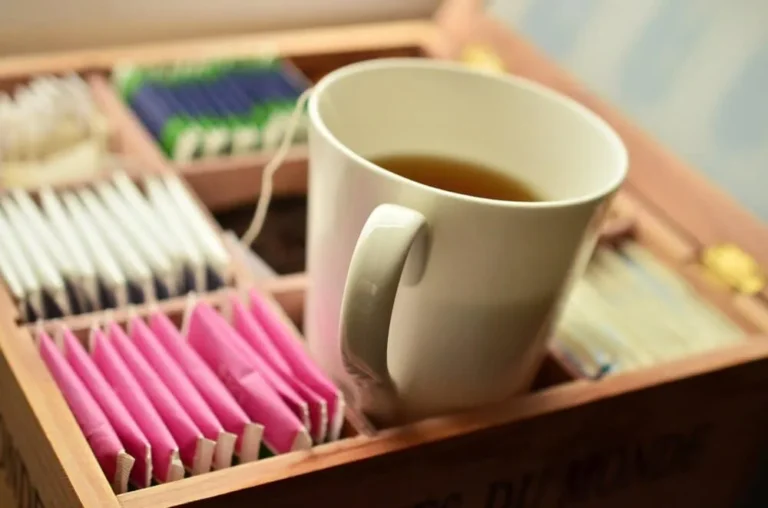
Teaming iron-rich plant-based foods with vitamin C is key. So think lentils with a side of red pepper and broccoli or even a squeeze of lemon juice on your leafy greens. Keep teas, coffees and calcium-rich meals away from your iron-boosting meals as these too can inhibit the absorption of iron.
So how do you stay energised on a plant-based diet?
The goal isn’t perfection, it’s balance. A few strategic tweaks can transform how you feel.
1) Prioritise protein
Every meal should include a solid source: lentils, tofu, tempeh, edamame, beans, quinoa, seitan or a good-quality plant protein powder. You want roughly 20–30g per meal for steady energy.
2) Boost iron absorption naturally
Pair iron-rich plant foods (beans, lentils, spinach, pumpkin seeds) with vitamin C-rich foods like peppers, broccoli, berries or citrus.
And keep teas and coffees around 2 hours away from your meals (regardless of caffeine).
3) Make friends with healthy fats
Walnuts, chia, flaxseed and hemp help support hormones, brain health and steady energy. Algae-based omega-3 supplements can bridge the gap left by oily fish.
4) Supplement smartly
B12 is found predominantly in animal foods, so it’s worth checking in on levels and topping up if need be. Iron is often needed too and a gentle formula like BlueIron (RRP £16, Holland & Barrett, Superdrug and Sainsbury’s) available to buy from Amazon, is an effective way to boost levels and avoids the digestive upset that traditional iron tablets can cause.
5) Build balanced plates
Think:
- Protein
- Healthy fats
- Slow-release carbohydrates
- Colourful vegetables
This creates stable blood sugar and sustained energy.
Quick checklist: what to do this week
- Build every meal around a protein anchor (aim ~20–30g).
- Add vitamin C to iron-rich meals (citrus, peppers, berries, broccoli).
- Keep tea/coffee 2 hours away from iron-focused meals.
- Cut back on ultra-processed plant substitutes and upgrade to whole-food staples.
- Consider B12 support and review iron if symptoms persist.
Feeling tired isn’t a sign that plant-based eating ‘doesn’t work for you’, it’s simply a sign your body needs a bit of nutritional backup. When you fuel yourself well with enough iron, protein, B vitamins, healthy fats, colourful plants, and the right targeted supplements, your energy can return.
With the right tweaks and a little extra support where needed, you can absolutely thrive through Veganuary and beyond.
FAQs
Can a plant-based diet cause fatigue?
It can. If your meals lean too heavily on carbs, skim on protein, or you’re not covering iron and B12 properly, energy can dip—sometimes gradually, sometimes all at once.
What are the signs of low iron on a plant-based diet?
Look out for ongoing tiredness, heavier legs in training, getting out of breath more easily, feeling colder than usual, looking paler, or that “cotton wool” brain fog. If it doesn’t shift, it’s worth getting your levels checked.
How can I absorb non-haem iron better?
Build your iron meals with a vitamin C partner (peppers, berries, citrus, broccoli). Then keep tea, coffee and calcium-heavy foods for later—give it a couple of hours either side so iron has a better chance of getting in.