Peloton backs the Hackney Half Marathon with cross-training, run clubs, recovery support and race-day energy in East London.
The Hackney Half Marathon has always had a bit of swagger about it. It is not one of those races that quietly appears, hands out a medal and disappears into the drizzle. It struts through East London with music in its lungs and a crowd that treats 13.1 miles like a street party with added lactic acid. Now it has a new training ally in Peloton, which has signed on as the Official Cross Training Equipment Partner for the sold-out 2026 event.
That matters because modern running is no longer just about lacing up, heading out and hoping your knees agree with the arrangement. The smarter runner now trains in layers: endurance, strength, mobility, recovery, and the odd moment of mercy. Peloton, with its mix of Bike, Bike+, Tread and App-based classes, is planting itself squarely in that wider conversation.
A marathon mood, with half the distance and twice the personality
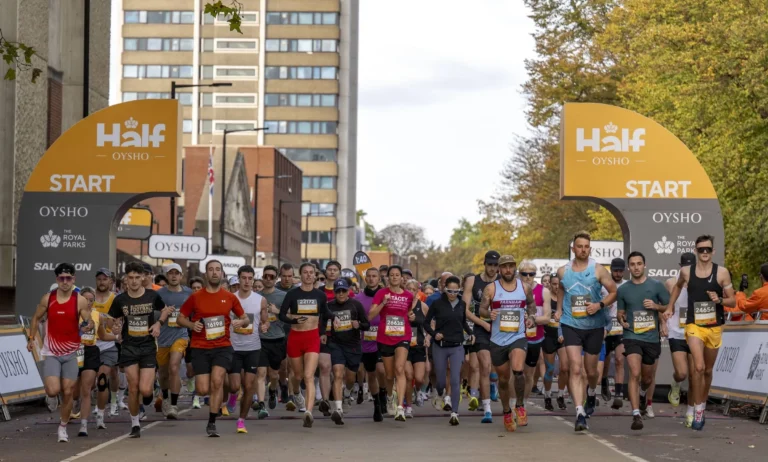
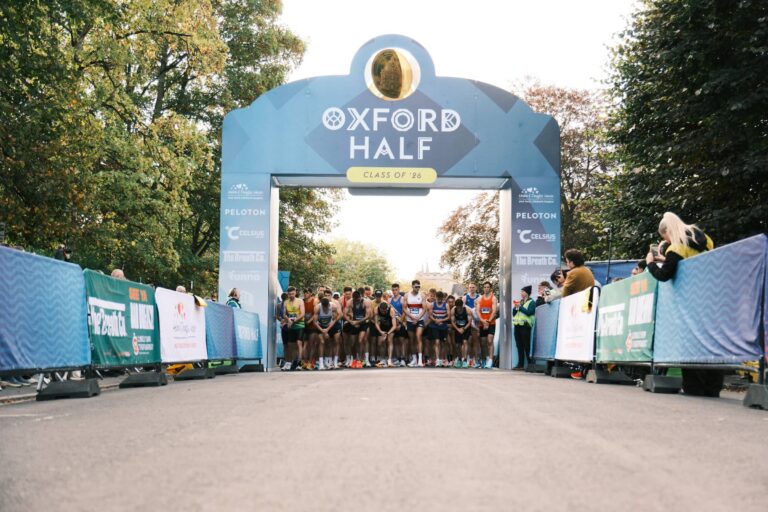
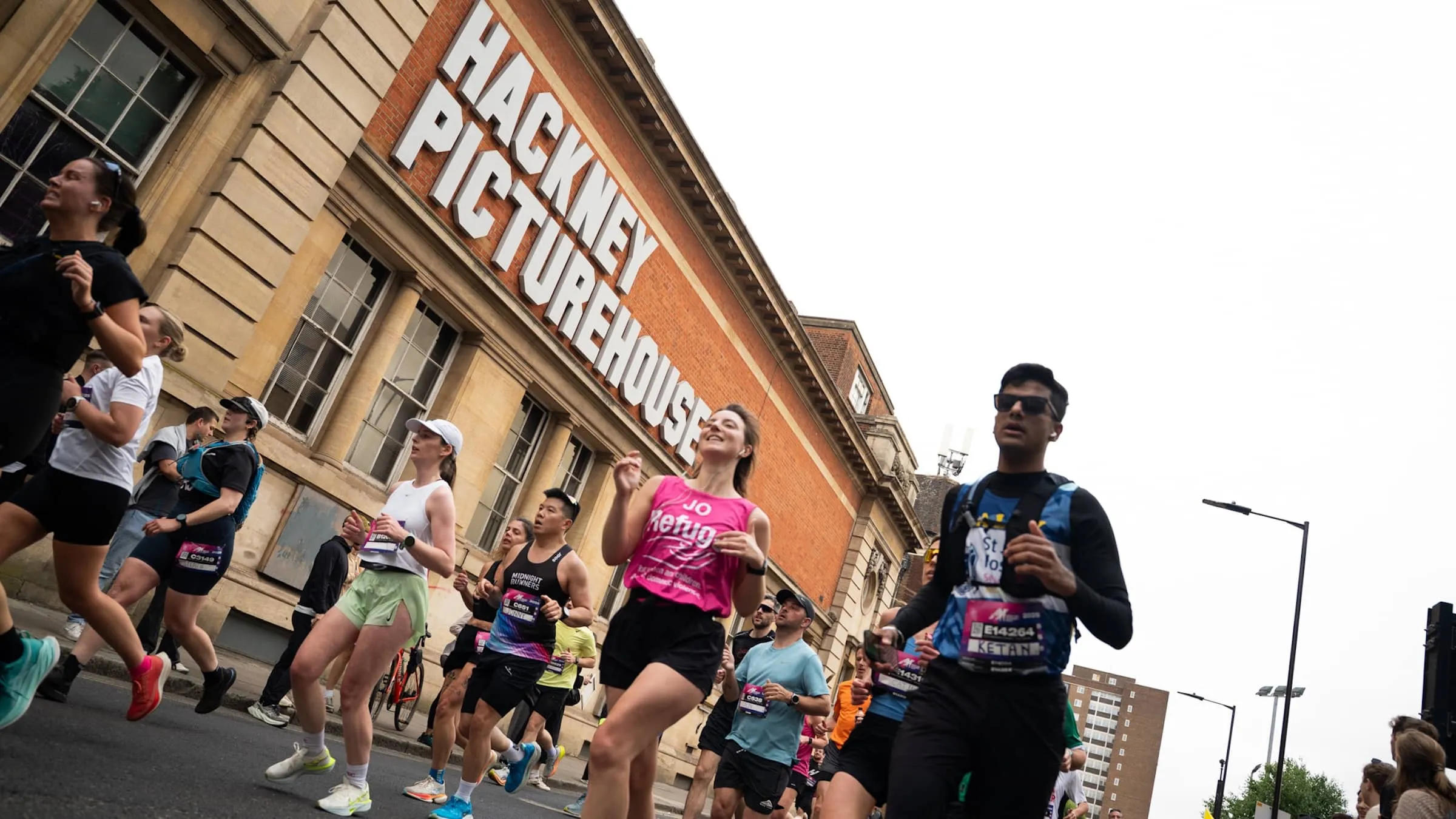
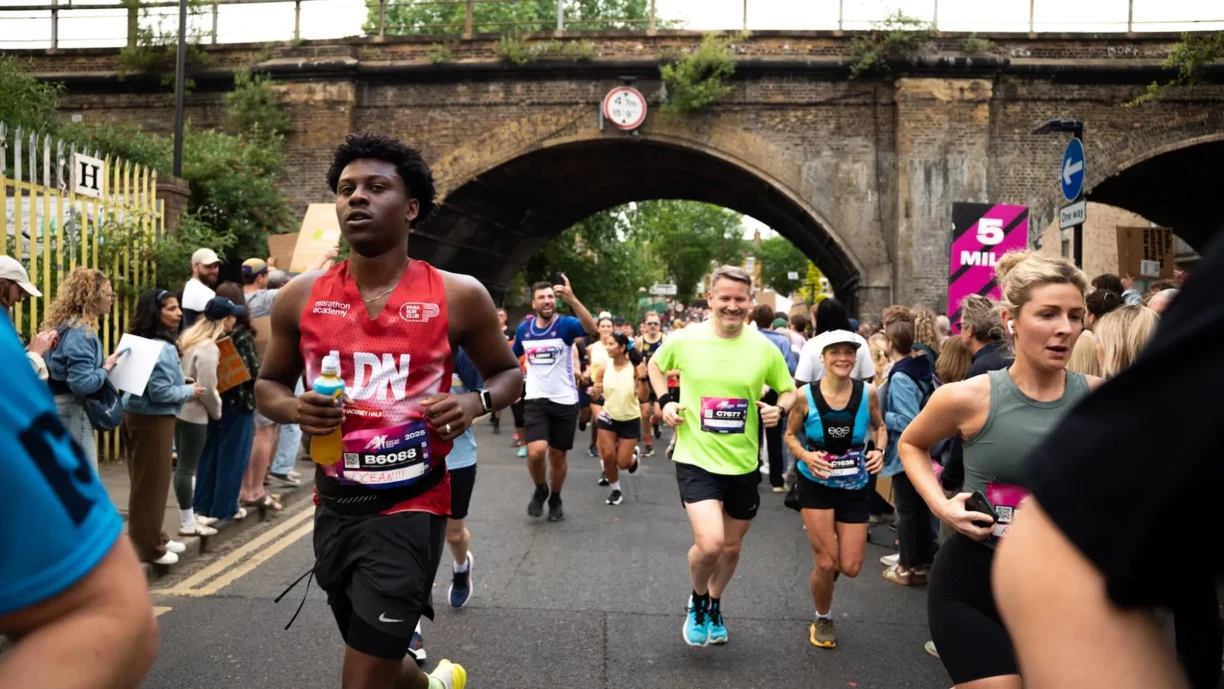
The HOKA Hackney Half Marathon, set for Sunday 17 May 2026, has become one of the UK’s most recognisable mass-participation running events. Its route through East London, lively crowds and festival-style atmosphere have helped turn it into more than a race. It is a weekend statement.
Around it sits HOKA Hackney Moves, a broader celebration on Hackney Marshes featuring live music and community activations, with the half-marathon as the centrepiece. It is fitness with a pulse, and Peloton clearly sees the appeal.
This partnership is not simply about branding on barriers and a logo on a lanyard. Peloton’s play here is to attach itself to a running community that is growing, diversifying and becoming increasingly educated about how to train well rather than merely train hard.
Why Peloton sees an opening in the running boom
Running in the UK continues to swell. According to Sport England’s Active Lives Survey, participation is up by 349,000 compared to 12 months ago. That is not a niche hobby. That is a national migration into trainers.
Peloton says more than 300,000 of its members have already used the platform to train for a race. That gives the company a ready-made case for relevance. Its argument is straightforward enough: runners do better when they do more than run.
Cross-training has moved from an optional extra to sensible policy. Strength training can help build resilience. Mobility and stretching can improve movement quality. Cycling can add cardiovascular load without the pounding. Yoga can keep the body from feeling like it has been assembled from coat hangers and bad intentions.
For UK Peloton members, strength training already ranks as the second most-chosen workout type, with members averaging seven strength classes per month. That is not a passing flirtation. It suggests people are beginning to understand that better running often starts away from the road.
The training pitch: smarter miles, not just more miles
Peloton’s Cross Training Series is designed to cover the whole race cycle, from preparation to recovery. Through the Bike, Bike+, Tread and App, runners can tap into Personalised Plans, structured programmes and discipline-specific content. Among them are a 10-week Road to Half Marathon programme and Strength for Runners classes, aimed at making athletes more durable rather than merely more tired.
That is the interesting part of this partnership. Peloton is not trying to convince runners to stop running. It is trying to persuade them to become better runners by spending some time doing other things.
That idea has gained traction because half-marathon training can be a fairly blunt instrument when left to its own devices. Pile on miles without support work and eventually something starts grumbling: calves, hips, Achilles, mood, spirit, or all five at once. Cross-training is not glamorous, but neither is hobbling down the stairs sideways three weeks before race day.
What runners will actually get in Hackney
In practical terms, Peloton’s involvement will extend beyond theory. In the build-up to race day, the company will host special run clubs from Peloton Studios London. At selected HOKA Hackney Half events, Peloton instructors will lead warm-ups and cool-downs, which is a polite way of saying runners will be stretched before they can object.
Participants will also be able to book complimentary spots for on-demand, mat-based strength classes at the London studio on Sundays, subject to availability. It is a neat way of lowering the barrier to entry for runners who know they should be doing strength work but somehow keep finding reasons not to.
Over the event weekend, Peloton will have a stand where runners can try the Bike+ and Tread, enter competitions and generally see what the fuss is about. There will also be a dedicated Peloton cheer zone near mile 9 of the course, which is exactly the sort of place where enthusiasm becomes a performance enhancer and strangers shout your name like they have known you since school.
The voices behind the partnership
Susie Chan, Peloton Instructor and HOKA Hackney Half participant, said: “I’m excited to experience the race day atmosphere at the HOKA Hackney Half — I ran Hackney Half in its very first year back in 2014. This year I’m sure I will be slower, as I’ve got a bit older! My training focus over the years has shifted from solely running to one of future-proofing, which means incorporating strength and yoga, which I know will pay off when I race through the streets of east London in May.”
That is probably the most sensible thing anyone says about running after 30: eventually, preservation becomes performance. There is wisdom in that shift. The body keeps score, and it rarely forgets neglected glutes.
Jade Davenport, Senior Partnerships Manager at Motiv Sports UK, added: “When we look at partnerships across the HOKA Hackney Half, and all of our events across the country, we strive to place real engagement and meaningful activation at the heart. This partnership with Peloton and the HOKA Hackney Half does exactly that, helping to give participants at the sell-out event access to the benefits of cross-training for race preparation and recovery.”
That phrase, “real engagement”, gets overused in the event world until it starts to sound like office wallpaper. But here it holds up. This looks like a partnership with practical application: classes, clubs, coaching presence, race-day support. Not just signage and a handshake.
What it means for the Hackney Half Marathon
The Hackney Half Marathon does not need help generating noise. It has plenty of that already. What Peloton brings is a different kind of credibility, aimed less at spectacle and more at preparation.
For the event, it reinforces the idea that the race weekend is part of a broader training and wellness ecosystem. For Peloton, it is a smart foothold in one of the UK’s most visible running events. For participants, it offers something useful: structure, support and a reminder that race success is often built in the quieter sessions nobody posts about.
The modern half-marathon runner is not just chasing a time. They are trying to stay healthy enough to make the start line, strong enough to enjoy the middle miles, and functional enough to sit down afterwards without making a noise usually associated with antique furniture. On that front, Peloton’s arrival feels timely.
And so the Hackney Half Marathon rolls on, noisy as ever, with East London ready to cheer, sweat and sing its way through another sold-out May morning. Peloton has spotted what many already knew: this is not just a race. It is a movement, and the smart money is on the runners who train for all of it, not just the running part.