Oxford Half 2026 sold out in under three weeks as demand surged for one of Britain’s most popular half marathons.
The Oxford Half has become the sort of event that vanishes almost as soon as it appears, like a tray of chips in a press tent. For 2026, the race sold out general entries in less than three weeks, swallowing up 15,000 places and underlining its status as one of the most sought-after events in the British running calendar.
That would be impressive enough on its own, but this was no ordinary year. Capacity rose by 2,000, yet demand still charged through the door. After three straight record sell-outs, the Oxford Half has now managed the neat trick of beating its own pace again.
Another personal best before race day
In a running event, everyone loves a PB, and the Oxford Half has posted one without a single shoe hitting the tarmac. The 2026 race sold out almost three months faster than it did in 2025, a sharp jump that places it ahead of wider industry trends even as the mass participation sector continues to grow.
According to the latest Mass Participation Pulse report, events are on average selling out ten days earlier than they did in 2024 and almost a month earlier than in 2023. The Oxford Half, though, is not merely keeping up with that trend. It is overtaking it on the outside.
That matters because the half-marathon market is no longer a niche corner of endurance sport populated only by grim-faced mileage obsessives and people who regard gels as a food group. The 13.1-mile distance has become the sweet spot: long enough to feel significant, manageable enough to feel possible, and just painful enough to give you something to talk about for a week.
Why the Oxford Half keeps pulling runners in
There are races people do, and races people target. The Oxford Half has drifted firmly into the second category.
Part of that is the simple arithmetic of appeal. The route is flat and fast, which is the sort of phrase that makes club runners perk up like spaniels hearing a biscuit tin. It attracts personal-best hunters, first-timers, charity runners and the gloriously overconfident alike.
But pace alone does not build this sort of loyalty. The Mass Participation Pulse report found that atmosphere and logistics are two of the most important factors for runners, and that is precisely where the Oxford Half has found its groove.
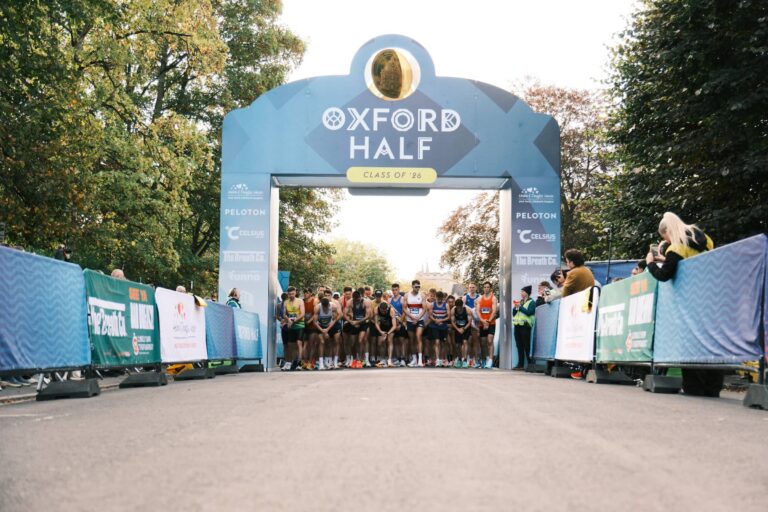
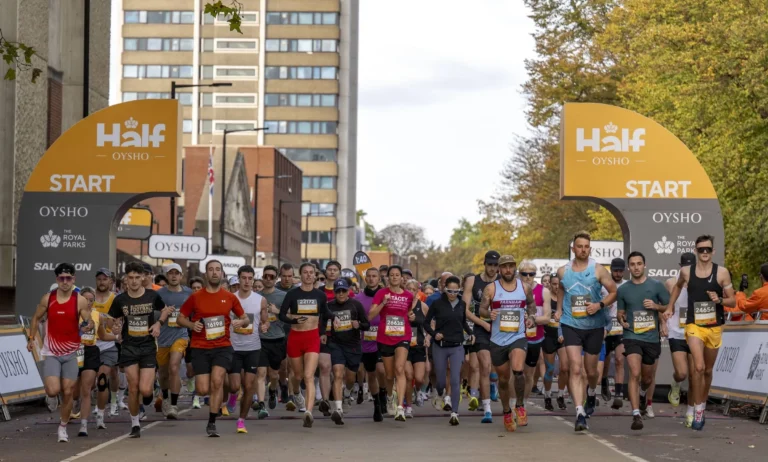
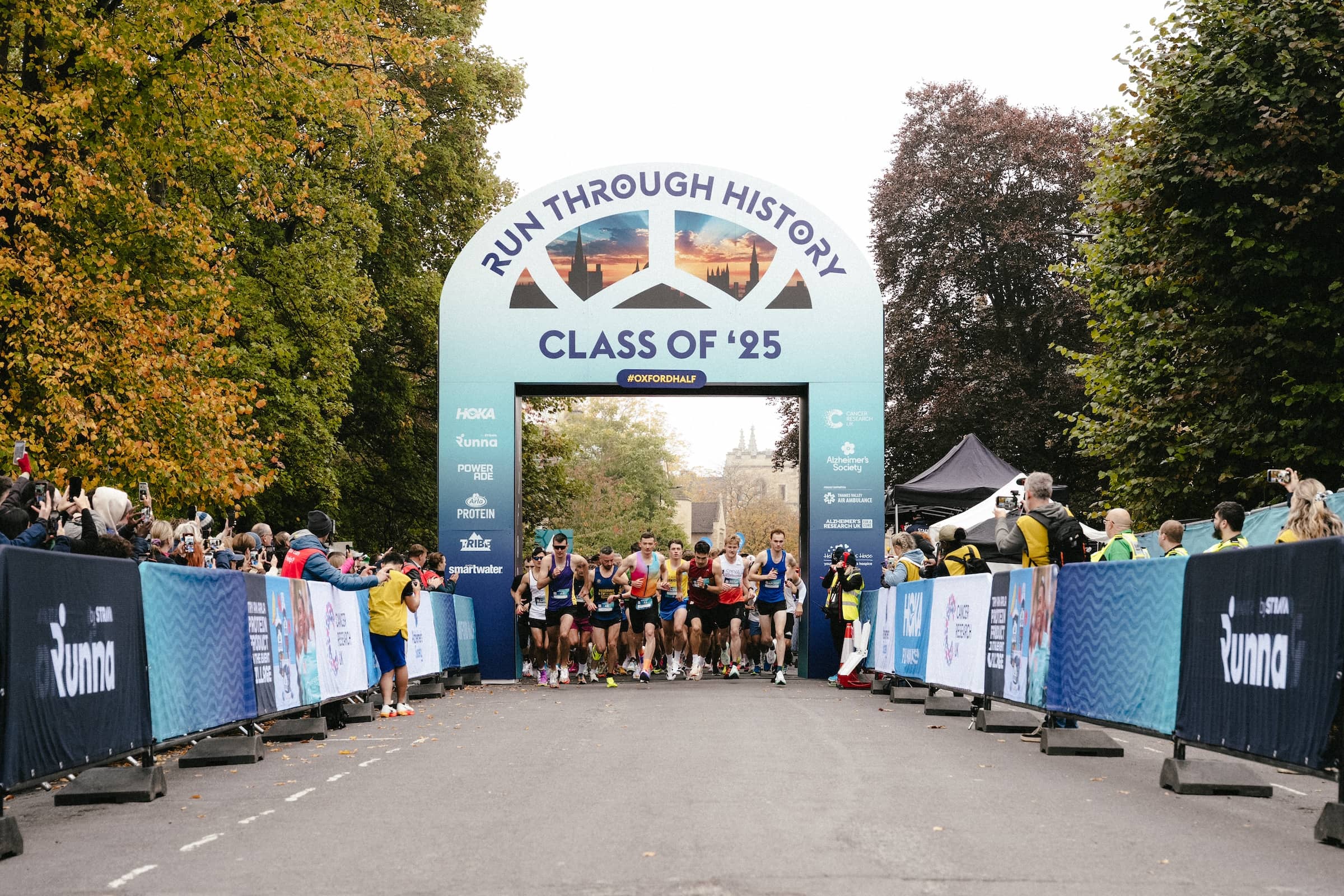
Last year’s route changes were not cosmetic tinkering. The start and finish were moved to the same location on a wider road, improving flow, boosting spectator access and helping create the kind of finish-line noise that can carry a weary runner the last few hundred metres whether their legs approve or not.
A city that lends the race its character
Plenty of races can offer mileage. Fewer can offer a sense of place.
The Oxford Half benefits from being rooted in a city with an unmistakable identity. The historic streets, famous architecture and packed support give the weekend a texture that many urban races would dearly love to bottle. It feels like an event with local soul rather than one dropped onto a map by spreadsheet.
And when the running is done, the weekend does not simply fizzle out into foil blankets and awkward stretching. The event village in University Parks keeps the pulse going, with live entertainment, food and drink vendors, merchandise and the practical race-day essentials. Tens of thousands descend on it, turning the finish into something more festive than functional.
That is part of the reason the Oxford Half has grown from a popular local fixture into a genuine marquee event. It is not just a race. It is a weekend with momentum, atmosphere and enough civic pride to make the whole thing feel stitched into the city rather than merely staged there.
Motiv Sports UK and the wider running surge
The organisers, Motiv Sports UK, are not exactly guessing their way through this. They also run the Hackney Half Marathon, which sold out in a frankly ridiculous two days for 2026, along with other London events including Hackney Moves and the Saucony London 10k.
They have clearly tapped into where the market is moving. In fact, the company has already expanded further, turning Saucony Run Shoreditch from a 10k launched in 2025 into a half-marathon for its September return.
That broader growth gives useful context to the Oxford Half story. Demand for well-run, well-positioned half marathons is rising, but not every race is converting that appetite into this level of speed, scale and consistency. The Oxford Half is doing both.
What it means for runners now
There is, of course, the familiar sting for anyone who looked up from their coffee too late and found the general entries gone. For 2026, the only remaining route into the Oxford Half is through one of the event’s charity partners.
That does not merely offer a late door into the race. It adds another layer to why the event resonates so strongly. Local charities are part of the fabric of the weekend, helping connect the spectacle on the roads to something with deeper community impact.
For those still hoping to get on the start line, charity places remain available at: https://www.oxfordhalf.com/are-you-a-fundraiser
The bigger picture for the Oxford Half
What the Oxford Half has managed is not an accident and not a fad. It sits at the intersection of what modern runners actually want: a flat, fast course, smart logistics, strong atmosphere, a recognisable setting and an event experience that does not collapse the moment the stopwatch stops.
In a crowded running market, that is no small feat. Plenty of races can fill a calendar slot. Far fewer become a date people circle in ink.
The Oxford Half now looks very much like one of those. And the fact it sold out in under three weeks, even with expanded capacity, tells you all you need to know. This race is no longer merely popular. It has become one of the hottest tickets in British running.