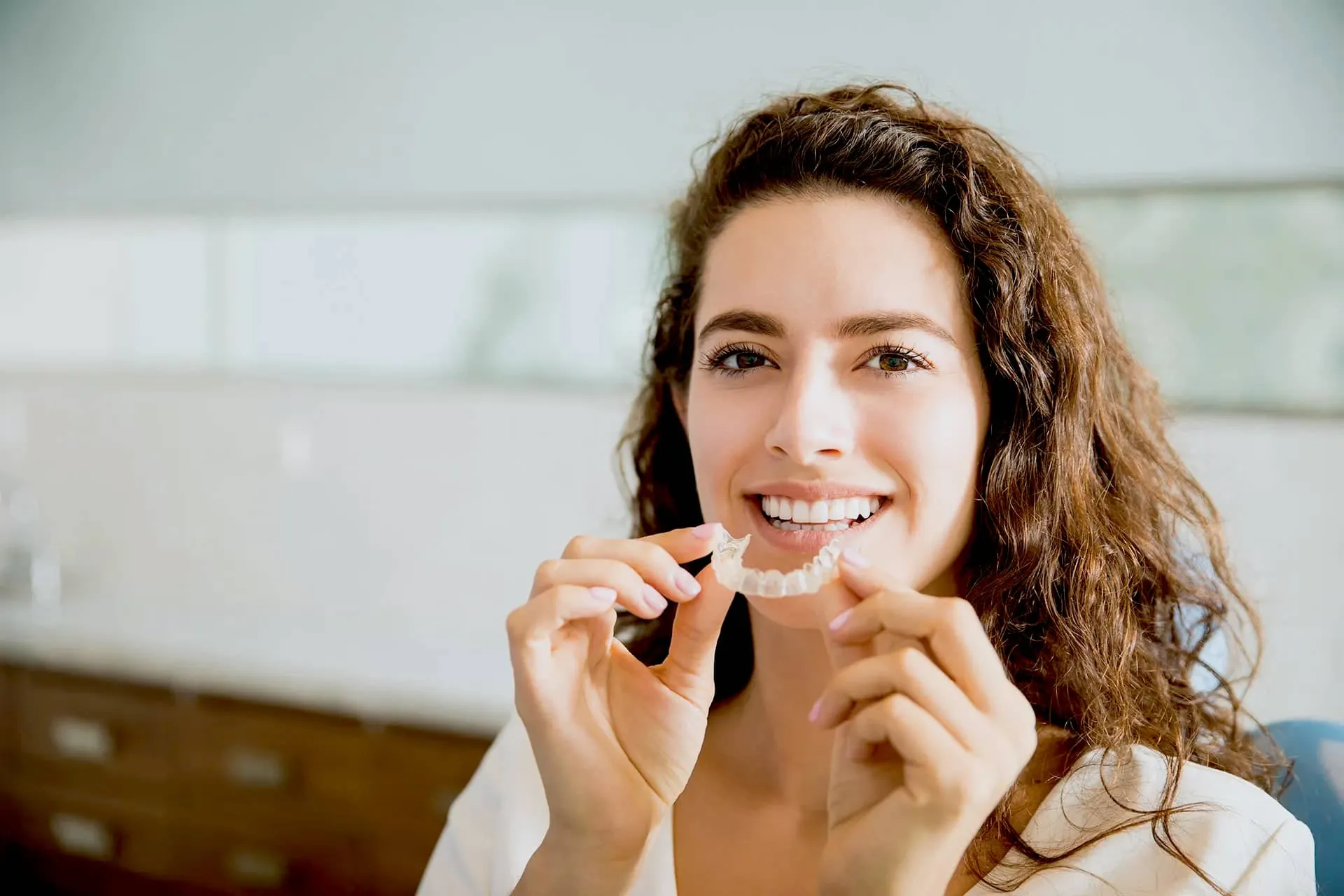
Clear aligners make orthodontics easier for active adults, fitting around training, nutrition, mouthguards, sleep and busy schedules.
For many active adults, orthodontics has always carried one awkward little problem: it sounds like something that might interfere with the very routines they have worked hard to build.
Once someone has finally found their rhythm — training regularly, eating properly, recovering sensibly, and not living entirely on good intentions and panic — the idea of braces can feel like a backward step. Metal brackets and mouthguards are not natural dance partners. Nor are wires, jaw clenching, steak, almonds, raw vegetables and a well-timed protein shake.
But clear aligners have changed the picture rather dramatically. For adults who take fitness seriously, modern orthodontics can now slot into daily life with far less fuss than the old image of braces would suggest.
Why Active Adults Used To Put Off Orthodontics
Traditional braces created very real obstacles for people with active lifestyles.
Contact sport brought the risk of bracket scrapes. Heavy lifting could mean jaw clenching against fixed hardware. Mouthguards were harder to fit properly. And then came the diet restrictions, which could be deeply irritating for anyone trying to eat cleanly and consistently.
Some of the most useful training foods — lean meats, nuts, raw vegetables, chewy fruit, popcorn, crunchy snacks — suddenly became things to manage, avoid or approach with the caution of a man defusing a bomb in a thunderstorm.
So, plenty of adults simply delayed treatment. Not because they did not care about their teeth, but because they did not want orthodontics to interfere with the rest of their health.
The trouble is that alignment issues do not always stay cosmetic. Crowding can make teeth harder to clean. Bite problems can contribute to uneven wear. Jaw imbalance may lead to tension or discomfort. Over time, small dental problems can become larger, more expensive ones.
How Clear Aligners Changed The Conversation
Clear aligners are custom-made trays that gradually move teeth into a better position. Each tray is worn for a set period before moving on to the next, with treatment mapped out digitally before the process begins.
The big difference is simple: they are removable.
That one detail matters enormously for active adults. You can take them out to eat, brush, train or wear a mouthguard, then put them back in afterwards. They are usually worn for around twenty to twenty-two hours a day, so discipline is still required, but they do not dominate every part of the routine.
For many people, treatment lasts somewhere between six and eighteen months, depending on the complexity of the case. The trays are discreet enough that most people will not notice them unless they are looking closely, which thankfully most people are not.
Eating Well Without Dental Interference
For fitness-minded adults, food is often the biggest concern.
With traditional braces, certain foods can be awkward, risky or completely off the menu. With clear aligners, that problem largely disappears because the trays come out before meals.
That means you can still eat the foods that support your training. Steak, chicken, raw vegetables, oats, fruit, nuts, recovery shakes and proper meals remain part of normal life. No heroic sacrifice. No pretending soup is a personality.
The adjustment is hygiene. Before putting aligners back in, you need to rinse your mouth and ideally brush your teeth. At first, it feels like extra admin. After a couple of weeks, it usually becomes habit.
For many adults, that added structure can even improve snacking habits. You become more deliberate about when you eat and drink, which is not always a bad thing.
Training, Lifting And Mouthguards
Clear aligners also make exercise easier to manage.
Some people wear them during low-impact training without issue. Others remove them for heavy lifting, contact sports or any session where jaw clenching is likely. For sports that require a mouthguard, the aligners can come out first.
That flexibility is a major difference from fixed braces.
If you play rugby, hockey, boxing, martial arts or any sport where your teeth might meet sudden trouble, mouthguard fit matters. Clear aligners allow for a cleaner solution, although anyone in regular contact sport should still speak to their dentist or orthodontic provider about the right protective setup.
The point is not that aligners make orthodontics effortless. They simply make it easier to fit treatment around a real, active life.
The Sleep And Recovery Link
Orthodontics is often talked about as a cosmetic choice, but alignment can affect more than appearance.
Crowded teeth and narrow arches can sometimes sit alongside jaw tension, grinding, bite discomfort or subtle breathing issues during sleep. That does not mean clear aligners are a magic sleep remedy, but improving alignment can support better oral function and comfort.
For adults who track recovery, sleep scores, heart rate variability or readiness data, small improvements can feel meaningful. Less jaw tension in the morning, better oral comfort and improved hygiene all contribute to the wider health picture.
A straighter smile may be the visible result. The quieter benefit is often the way the mouth functions day to day.
Hydration Habits Need A Little Discipline
There is one rule worth knowing: while wearing aligners, plain water is your safest drink.
Coffee, sports drinks, juices and anything sugary or staining should be consumed with the trays removed. Otherwise, liquid can sit trapped against the teeth, which is not ideal for enamel or staining.
For people who already drink mostly water, this is a small adjustment. For all-day coffee drinkers or those who sip electrolyte drinks between meetings and workouts, it takes more planning.
But again, this is not necessarily a drawback. Plenty of adults find that aligner treatment encourages better hydration habits and less mindless grazing.
Confidence Without The Braces Look
Many adults grew up associating orthodontics with visible metal braces, teenage awkwardness and school-photo trauma.
Clear aligners have softened that fear considerably. They are discreet enough for work, social life, training groups and public-facing roles. You can speak, smile and get through the day without feeling as though your dental treatment has become the main character.
For adults who spend time in meetings, coaching environments, gyms or client-facing roles, that discretion matters.
Treatment becomes something private and practical rather than a public announcement.
Easier To Fit Around A Busy Schedule
Modern aligner treatment can also be more convenient than traditional braces.
After the initial consultation and digital scan, check-ins are often spaced several weeks apart. Some practices may also offer remote monitoring, allowing progress to be reviewed without as many in-person visits.
For people interested in clear aligners in Waldorf MD, that convenience is likely to be one of the main attractions. Treatment that fits around work, training, family life and travel is far easier to commit to than treatment that constantly disrupts the calendar.
Adult health routines succeed when they are realistic. Orthodontics is no different.
Whitening Alongside Alignment
One useful bonus of aligner treatment is that trays may sometimes be used with whitening gel under professional guidance.
That means some patients can improve tooth colour while also improving alignment. It is not the main reason to start treatment, but it can be a convenient addition for adults who want their final smile to look cleaner, brighter and more balanced.
As always, whitening should be discussed with a dental professional rather than improvised at home with the sort of confidence usually reserved for bad internet advice.
When Clear Aligners May Not Be Enough
Clear aligners can help with many mild to moderately complex orthodontic concerns, including crowding, spacing, some bite issues and tooth rotation.
They are not suitable for every case.
More severe skeletal misalignment, complex bite correction or certain tooth movements may still require traditional orthodontics. That is why a proper consultation matters. The right treatment depends on the mouth in front of the clinician, not the marketing around the method.
For many active adults, however, aligners now represent the least disruptive route into orthodontic care.
The Long-Term Health Argument
It is easy to think of orthodontics as cosmetic, but that undersells it.
Better alignment can make teeth easier to clean. It can reduce uneven wear. It can support healthier bite function. And it may help avoid more complicated dental work later in life.
Worn teeth, fractured molars, gum problems and jaw-related issues can become expensive and uncomfortable over time. In that context, orthodontic treatment is not simply about wanting a better smile. It can be part of sensible long-term health maintenance.
For active adults who already invest in gym memberships, nutrition, sleep trackers, mobility work and recovery tools, dental alignment belongs in the same broader conversation: the body works better when the fundamentals are looked after.
Final Thoughts
Clear aligners have made orthodontics far more compatible with adult life than many people realise.
They allow active people to keep training, eating, travelling and working with minimal disruption. They require discipline, yes, but so does every worthwhile health routine. The difference is that aligners do not ask you to dismantle the life you have built in order to improve your teeth.
For adults who once dismissed orthodontic treatment because it seemed inconvenient, uncomfortable or too visible, the modern option is far more forgiving.
The smile improves quietly. The routine carries on. And for once, the grown-up decision does not come with a side order of unnecessary drama.