Why oral care matters for active people, from dry mouth and sports drinks to jaw tension, recovery, and long-term dental health.
You feel it after a tough workout, usually before you even stop to think about it. Your mouth is dry. Your teeth feel a little strange. That sports drink you had on the way home somehow seems to linger longer than it should. Most people who stay active are pretty on top of the big things like sleep, food, training, and recovery. Oral care, though, tends to slide further down the list.
Which is funny, really, because your mouth puts up with quite a lot when you live that way. Dry air. Long sessions. Quick snacks between things. Sports drinks, late dinners, rushed mornings, and all the little habits that come with trying to keep up with an active routine. At Dr. Michaels dental clinic in Dubai, that connection is easy to spot. People can be doing almost everything right and still end up with dental issues that build so gradually they barely notice them at first.
Why Active Routines Can Mess With Your Mouth
A lot of workout habits feel harmless in the moment, and most of the time they are. But when the same pattern keeps repeating, day after day, your teeth and gums end up dealing with the wear of it. Long training sessions, mouth breathing, energy gels, sports drinks, and rushed meals after exercise can all shift things in small ways that do not seem like much at first. Then, after a while, they do.
Dry mouth is a big part of that. Saliva sounds boring until you realise how much work it quietly does in the background. It helps wash away food, settles acid down, and gives your teeth a kind of built-in protection most people never think about until it starts falling short. So when you spend a lot of time breathing hard, especially during cardio, outdoor sessions, or longer workouts, your mouth can lose some of that protection without really announcing it.
That is often why active people feel like their mouth changes faster than expected. Their teeth stop feeling as smooth. Their gums get a bit touchy. Things just feel rough around the edges. It is not always because they have been careless. A lot of the time, it is just the slow wear that comes with training hard and sticking to a routine that is good for performance but not always especially kind to enamel.
Sports Drinks Sound Helpful Until Your Teeth Have to Deal With Them
This is where things usually get a little annoying. A drink or snack can make complete sense for your workout and still be rough on your teeth. Sports drinks, gels, chews, and energy drinks often bring sugar and acid together, which is not exactly a friendly combination when it keeps landing on your teeth again and again.
And honestly, it is usually not the one-off bottle that causes the problem. It is the pattern. Sipping during a long session. Doing the same thing tomorrow. Grabbing another one over the weekend because it feels easier than thinking about it. Then one day your teeth never quite feel clean, and you are left wondering when that started.
That kind of repeated exposure does not give your mouth much space to settle. It just keeps the cycle going.
That does not mean every active person needs to start side-eyeing a sports drink. It just means those products make more sense when they are actually serving a purpose. Water is often enough for shorter sessions, while sugary drinks and quick fuel tend to earn their place when the workout is longer, hotter, or more demanding. The trouble usually starts when those products stop being occasional tools and quietly become everyday habit.
The Stuff People Miss Is Usually the Stuff That Builds Up
A chipped tooth gets attention right away. You fall, catch an elbow, or take a hit to the face, and suddenly it is obvious something is wrong. But a lot of the oral issues tied to active lifestyles are quieter than that. They build in the background. No big moment, just little signs that are easy to brush off when life already feels full.
Jaw tension is a good example. People clench during heavy lifts, hard efforts, stressful competition, and sometimes even during ordinary training without realizing it. Then some time passes and they start waking up sore. A bit of tightness in the jaw. Maybe a headache that feels random. Maybe a bite that feels slightly off, though they cannot quite explain how. It sneaks in like that.
The same goes for mouthguards. Most people only think about them when a sport looks obviously rough from the outside, but it really does not take much to put your teeth at risk. Contact, falls, quick movement, and awkward collisions can do the job. Then sleep adds another layer to it, because some people train hard, breathe through their mouth at night, and grind just enough to make everything feel worse by morning.
It is often the quiet stuff that hangs around the longest.
The Best Routine Is Usually the One That Feels Easy to Keep
The good news is this does not need to turn into one more exhausting self-improvement project. Most people do better with a simple routine they can keep on normal days, busy days, and tired days, because that is where this stuff either holds together or starts slipping. Fancy products are fine. Consistency is usually what actually carries the weight.
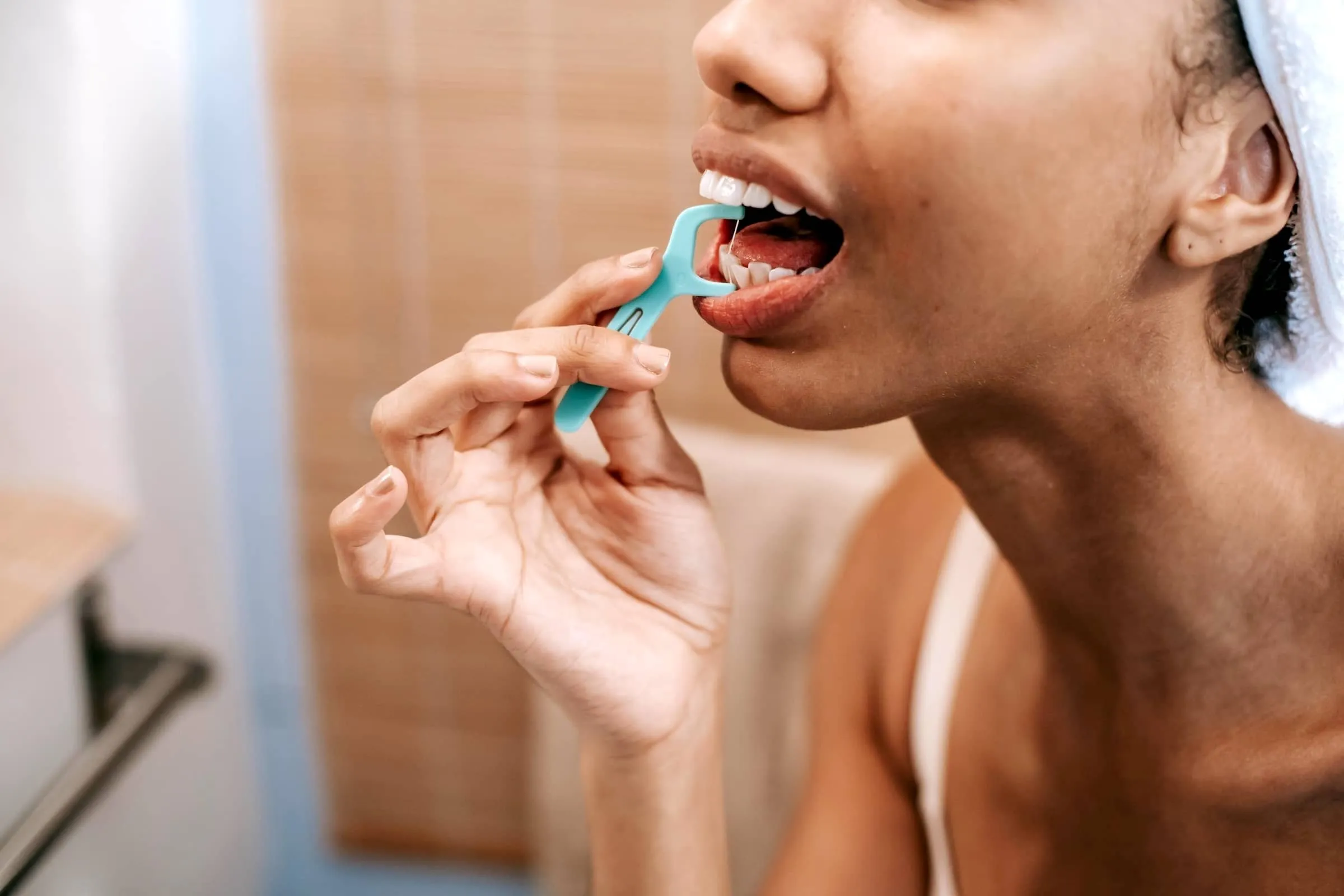
For most active adults, the basics still do a lot. Brushing twice a day, cleaning between the teeth once a day, and having water after training already puts you in a better position than many people realize. It is not glamorous, but then again, neither is trying to eat properly after a session when your teeth feel sensitive and your mouth already feels off.
It also helps to think of oral care as part of recovery, because honestly, it is. When your teeth or gums are irritated, eating comfortably gets harder. People usually start adjusting without even noticing they are doing it. Crunchy food gets skipped. Colder drinks become less appealing. Softer options start looking easier after a long day. And before long, the routine shifts in small ways that were never really planned.
What Is Actually Worth Paying Attention To
Most people can tell when something feels off, even if they cannot describe it very well. Gums that bleed more often. A mouth that always feels dry. Sensitivity that keeps coming back. Bad breath that lingers. Soreness in the jaw after training or after sleep. None of that automatically means disaster, but it is usually your mouth asking for a little more attention.
The same goes for food getting stuck more than it used to, teeth feeling rough by the end of the day, or that odd sense that your bite does not feel quite the same anymore. Small changes tend to show up before bigger problems do, and that early stage is usually the point that matters most. It is a lot easier to deal with something then than to wait until it finally forces the issue.
Good oral care for active lifestyles is not really about being perfect, strict, or overly precious about every little habit. It is more about keeping your mouth in good enough shape that it does not start making everything else harder than it needs to be.
When your teeth, gums, and jaw feel fine, eating is easier, sleep is better, training feels more comfortable, and the rest of your routine tends to run a little more smoothly.