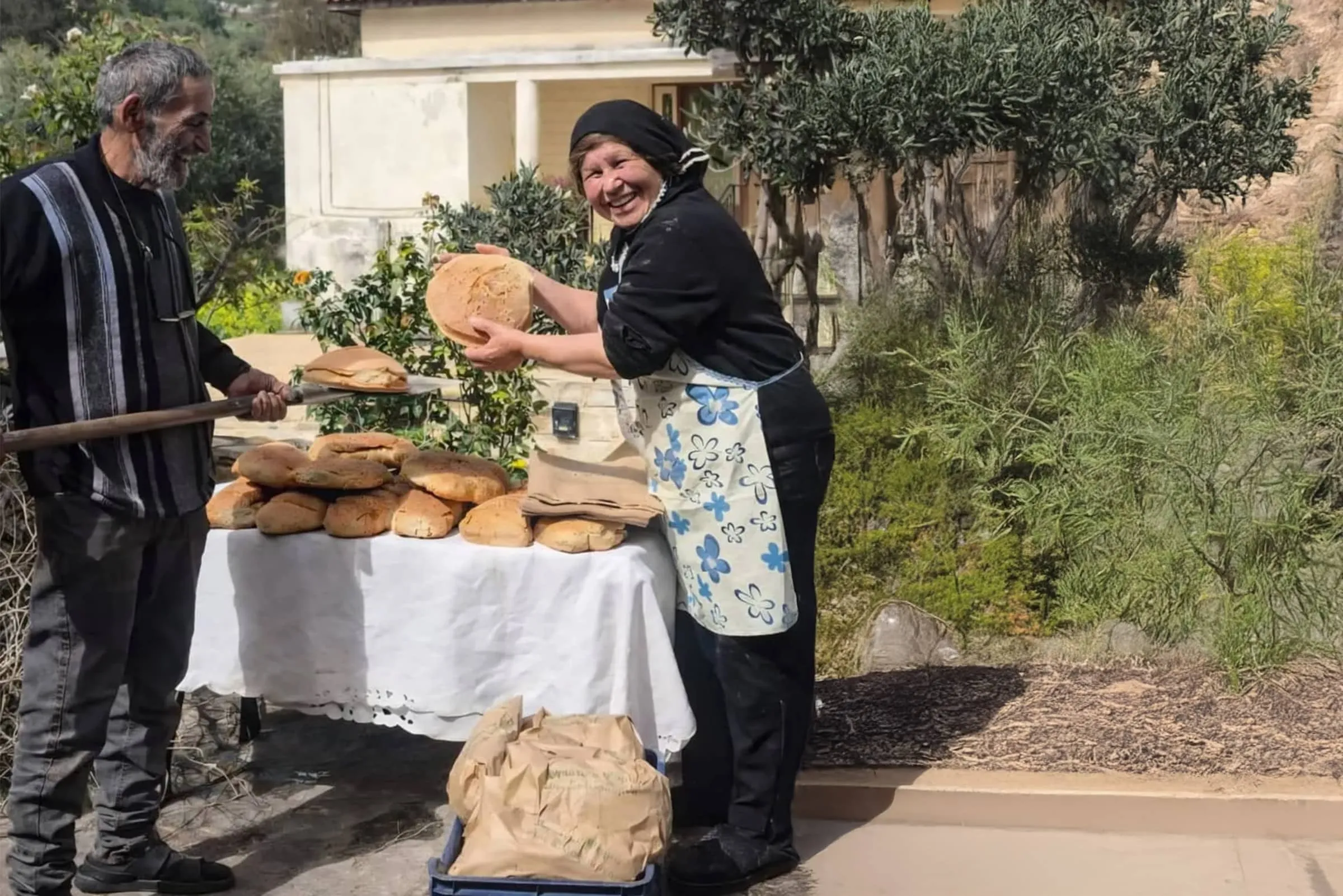
Nonnamaxxing encourages slower living, scratch cooking, post-meal walks and better rest to support sustainable weight loss.
Nonnamaxxing may sound like something invented during a long lunch and two espressos too many, but the latest wellness trend has a surprisingly sensible idea at its heart: slow down, cook properly, move often, rest well, and borrow a few life lessons from the traditional Italian grandmother — the beloved nonna.
In a wellness world that often behaves like it has swallowed a stopwatch, the appeal is obvious. No cold plunges at dawn. No powders named after laboratory furniture. No twelve-step morning routine requiring a spreadsheet and the emotional resilience of a Ryder Cup captain.
Just food, family rhythms, gentle movement, and the radical suggestion that life does not need to be attacked at full sprint.
Doctors now suggest that adopting some of these simple “nonna” habits could support long-term health, sustainable weight loss and better weight maintenance.
What Is Nonnamaxxing?
Nonnamaxxing is built around the old-fashioned wisdom of living more intentionally. Think Mediterranean-style meals, less reliance on ultra-processed food, more walking, less frantic scrolling, and the occasional embrace of dolce far niente — the sweetness of doing nothing.
It is not a diet in the grim, cabbage-soup sense of the word. It is more of a lifestyle reset: eat food that looks like food, make movement part of ordinary life, and stop treating rest like a character flaw.
Dr Zoë Lees, Weight Loss Expert and Medical Writer at MedExpress, explains why the approach may have genuine health value, particularly for people trying to lose weight without ending up in the miserable yo-yo cycle of restriction, rebound and regret.
1. Mindful Eating: Cooking From Scratch Still Has Legs
There is a reason the nonna has survived the wellness-industrial complex without needing a subscription app. She cooks.
Not performatively. Not with seven sponsored ingredients and a ring light. She cooks because meals are built, not assembled from packets in a state of post-work panic.
Dr Lees says: “While the UK climate may not lend itself to eating directly from your garden all year-round, preparing more meals from scratch can be an effective way to increase your nutrient intake, support your energy levels, and support sustainable weight management.
“Although they can be convenient as they generally need less preparation and cooking time, eating large amounts of processed foods is often linked with higher calorie intake and lower overall diet quality. Even pre-made pasta sauces and salad dressings, often marketed as “healthy” or convenient, can be high in added sugars, salt and certain additives.
“Instead, taking inspiration from the Mediterranean-style diet, (rich in vegetables, olive oil, fish and whole grains) and cooking from scratch, encourages nutrient-dense, minimally processed meals that keep you fuller for longer and reduce restriction.”
That is the useful bit. Nonnamaxxing is not asking you to live off the land like a Tuscan goat herder. It is asking whether dinner might be better when it comes from a chopping board rather than a sleeve of plastic.
A Mediterranean-style diet rich in vegetables, olive oil, fish and whole grains is not glamorous in the modern wellness sense. It does not shout. It simply keeps turning up, doing the fundamentals well — a bit like a tidy five-wood down the middle when everyone else is trying to bend driver round a hotel.
2. Dolce Far Niente: Doing Nothing Has A Job To Do
The phrase dolce far niente translates as the sweetness of doing nothing. In Britain, this can sound suspiciously like laziness, which is probably why so many people treat rest as something to be earned only after collapse.
But Nonnamaxxing puts rest back where it belongs: not as a luxury, but as part of health.
Dr Lees explains: “There is a strong link between chronic stress and weight gain.1 When we’re stressed, the body releases more cortisol – a hormone that can increase hunger, drive cravings for high-fat and sugary foods, and increase our body’s capacity to store extra calories as fat.
“Embracing the ‘Nonna’ art of slowing down, and making the effort to prioritise rest in the midst of busy day-day life, may help reduce stress levels and support healthier habits linked to long-term weight management.”
This is where Nonnamaxxing gets more interesting than another social media fad. It recognises that weight management is not only about what lands on the plate. Stress, sleep, hunger cues, cravings and daily routine all sit at the same table.
A person running on fumes is more likely to reach for quick energy, skip proper meals and make decisions with all the strategic clarity of a golfer standing over a three-footer after hearing someone cough.
Slow down, and the whole system often behaves better.
3. Sustainable Movement: The Passeggiata Principle
The nonna approach to fitness does not require a punishment session under fluorescent lights. It is quieter than that.
Walk to the shop. Take the stairs. Move after meals. Build activity into life instead of treating exercise as a separate appointment you keep cancelling.
Dr Lees says: “Implementing small changes, such as walking to the shop instead of driving or taking the stairs instead of the lift, can help build more sustainable habits, support a more active lifestyle, and contribute to long-term weight management.
“Research suggests that walking shortly after meals can improve blood glucose control compared with sitting still. Therefore, taking inspiration from the Italian Nonna tradition of the passeggiata (a post-meal walk), a light walk after eating may also support weight management by helping to reduce post-meal blood sugar spikes.” 2
The passeggiata — a gentle post-meal walk — may be the most charming part of Nonnamaxxing. It is movement with a purpose, but without the grimace.
You eat. You walk. You digest. You talk. You return home less welded to the sofa and perhaps less likely to raid the cupboard like a raccoon with a Nectar card.
It is not complicated, which is precisely why it has a chance of working.
Why Nonnamaxxing Appeals In A Quick-Fix Culture
Nonnamaxxing works as an idea because it is almost aggressively unmodern. It does not promise a beach body in 14 days or pretend that one supplement will reorganise your metabolism while you sleep.
Instead, it points towards behaviours people can actually maintain: scratch cooking, mindful eating, steady movement, less processed food, proper rest and a calmer relationship with weight loss.
That matters. Weight loss is one thing. Weight maintenance is often the tougher opponent. Plenty of people can white-knuckle their way through a short-term plan. Fewer can live happily inside it.
This is where the nonna philosophy has teeth. It is not built around restriction. It is built around rhythm.
Where Prescription Weight Loss Treatments Fit In
The rise of prescription weight loss treatments has changed the conversation around obesity and weight management. But Dr Lees is clear that medication should not be seen as a magic trapdoor out of lifestyle change.
Dr Zoe concludes: “While prescription weight loss treatments are effective tools for treating obesity and supporting weight management in adults, they are meant to be used alongside diet and lifestyle changes, not as standalone solutions.
“Being able to shift your focus from weight loss to weight maintenance, as well as being consistent with lifestyle changes including movement that is sustainable long term, are key factors in achieving lasting health benefits.”
That final point is the hinge of the whole thing. The goal is not simply to lose weight. It is to build a way of living that does not collapse the moment life becomes inconvenient.
Is Nonnamaxxing Worth Taking Seriously?
Yes, with one sensible caveat: it is not magic. Nonnamaxxing will not undo poor sleep, high stress, low activity and heavily processed meals by virtue of having an Italian name.
But as a framework, it is refreshingly useful.
It nudges people towards the basics that health experts have been trying to make fashionable for years: cook more, walk more, rest more, stress less, eat proper food, and stop turning wellness into a competitive event.
In other words, live a little more like a nonna.
She may not have a wearable tracker, a branded meal plan or a motivational podcast. But she probably knows how to make a decent lunch, take a walk afterwards, sit down without guilt, and understand that health is built in ordinary moments.
And frankly, that may be the most grown-up wellness trend the internet has coughed up in years.