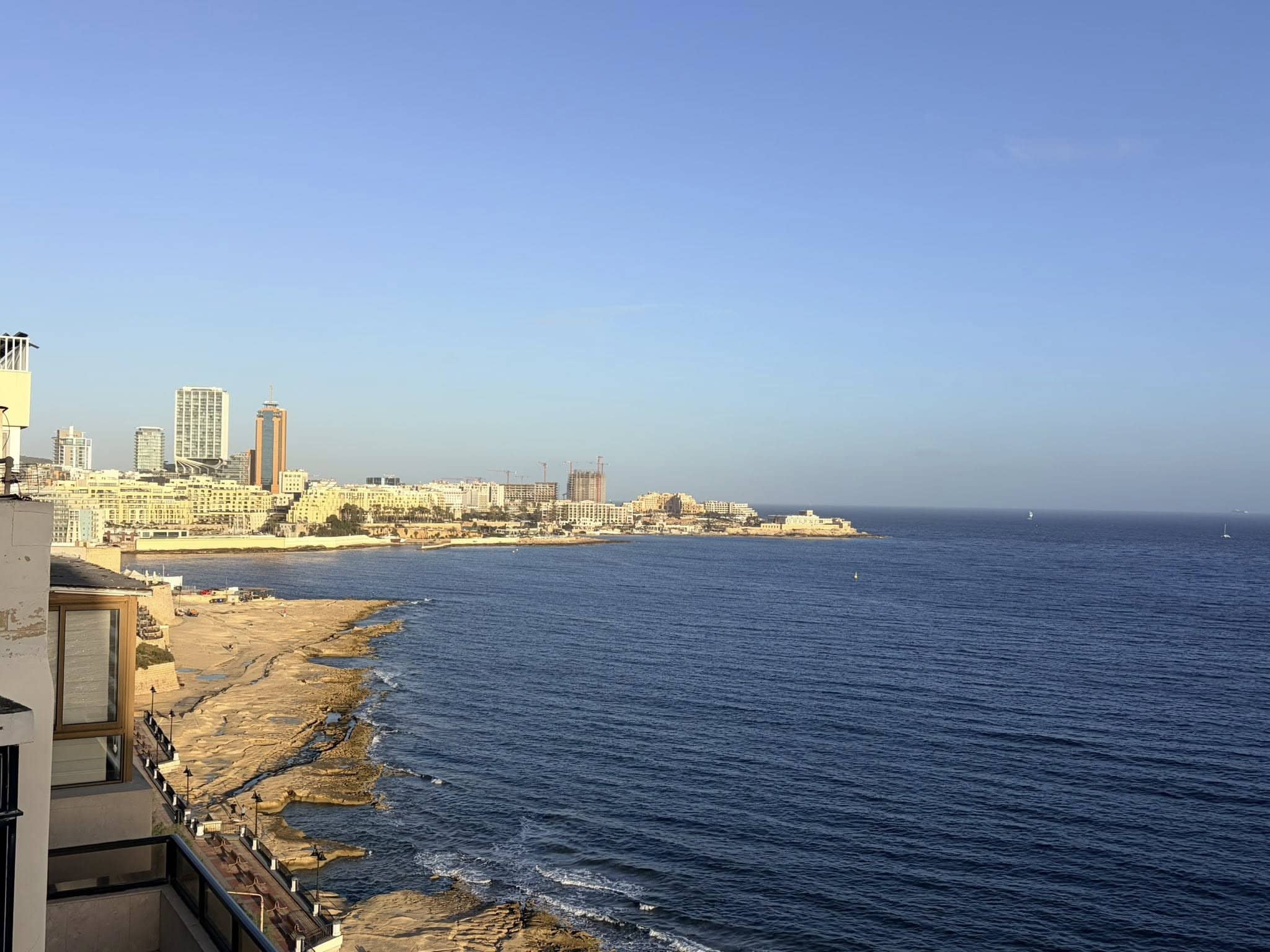
How Mediterranean holiday habits can help you eat better, slow down and bring healthier routines home.
There is something about a Mediterranean holiday that makes eating well feel less like a grim life audit and more like common sense served with olive oil. You book the trip for the sun, perhaps for the sea, and very possibly for the food — then come home wondering why lunch on a terrace felt energising, while lunch at your desk feels like being punished by a sandwich.
Why Food Feels Different On Holiday

Part of the answer is not magic. It is the setting.
On holiday, especially somewhere like a Mediterranean escape, such as a Malta holiday, food is not usually inhaled between emails, school runs or the 4 pm panic of wondering what on earth is in the fridge. You walk more. You look at menus properly. You choose dishes because they appeal, not because they are the quickest thing available before your next obligation barges through the door.
That shift matters. A Mediterranean meal often leans into freshness, simplicity and flavour rather than sheer volume. Seafood, ripe vegetables, herbs, olive oil and unfussy home-cooked-style plates do a clever thing: they satisfy without leaving you feeling like you have swallowed a small sofa.
Fresh Ingredients Do The Heavy Lifting
The great luxury of Mediterranean eating is that the ingredients do not need a committee meeting.
A tomato that tastes of sunshine needs very little help. A simple salad with ripe vegetables and a measured drizzle of olive oil can feel complete without being smothered, sweetened or drowned. Courgettes grilled with lemon and herbs suddenly make processed sides look like they have turned up to dinner wearing the wrong shoes.
This is the lesson worth carrying home. Healthy eating becomes easier when the food itself has character. Shopping with intention — choosing seasonal produce, visiting a local greengrocer or market, building meals around a few good ingredients — can make weekday dinners feel less like a chore and more like a quiet act of self-respect.
No grand reinvention required. Just better starting points.
Slower Meals Change Everything
Holiday meals rarely behave like domestic ones. They unfold.
You sit outside. You talk. You pause between mouthfuls. You notice the food, the light, the company, the fact that nobody has asked you to “circle back” on anything.
That slower pace changes how you eat. It gives your appetite time to catch up with your plate. It makes satisfaction easier to recognise. You become less likely to keep eating simply because the food is there, or because the day has been long and mildly ridiculous.
At home, the same principle still works, even without the sea view. Step away from the desk. Put the phone down. Give one meal a day a proper beginning and end. It sounds almost too simple, which is usually why we avoid doing it.
Balance Beats Perfection
One of the reasons Mediterranean-style holiday eating feels so appealing is that it does not usually arrive with the emotional baggage of a diet plan.
You might have grilled fish one evening and dessert the next. You may eat lightly at lunch and linger longer over dinner. The rhythm is flexible, which is exactly why it feels sustainable.
That is the bit many people miss. Healthy eating is not always about restriction. Often, it is about rhythm: good ingredients, regular movement, proper breaks, and meals that feel enjoyable enough to repeat without needing a motivational quote stuck to the fridge.
How To Bring The Holiday Habit Home
You do not need to relocate to a harbour town, though admittedly, there are worse ideas.
Start small. Build meals around two or three quality ingredients rather than overcomplicated recipes. Use herbs, citrus and olive oil to lift flavour. Choose fresh vegetables when they are at their best. Prep a few ingredients in advance so dinner does not become an emergency negotiation with a takeaway app.
And rethink how you eat, not just what you eat. If lunch usually happens hunched over a laptop, move. If evenings feel rushed, simplify the meal rather than abandoning the whole idea. If snacks are becoming a reflex, ask whether you are hungry, bored or simply running on fumes.
These are not glamorous changes. They are better than that. They are usable.
The Real Lesson Of Mediterranean Eating
Mediterranean eating patterns do not need to be sold as a miracle. Their appeal is quieter and more durable: fresh food, slower meals, more movement, better balance and less guilt.
A Malta holiday or any sunlit escape may give the lesson a more attractive backdrop, but the principle travels well. Eat with a little more attention. Shop with a little more care. Let flavour do more of the work.
The real souvenir is not the fridge magnet. It is remembering that food can be healthy, generous and enjoyable all at once — which, frankly, is a better thing to bring home than a suitcase full of laundry.