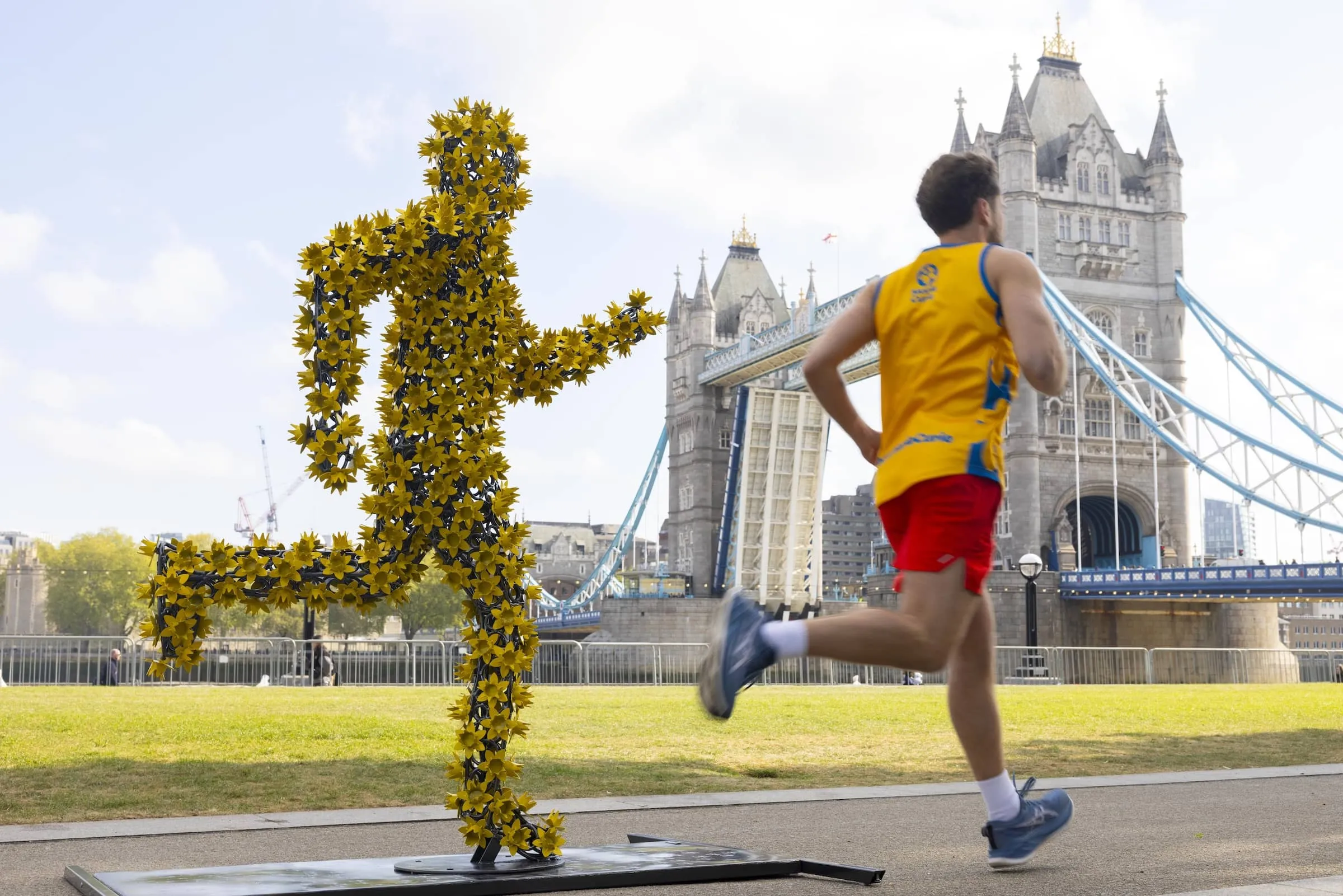
London Marathon build-up sees Marie Curie unveil a striking Tower Bridge statue spotlighting the UK’s end of life care crisis.
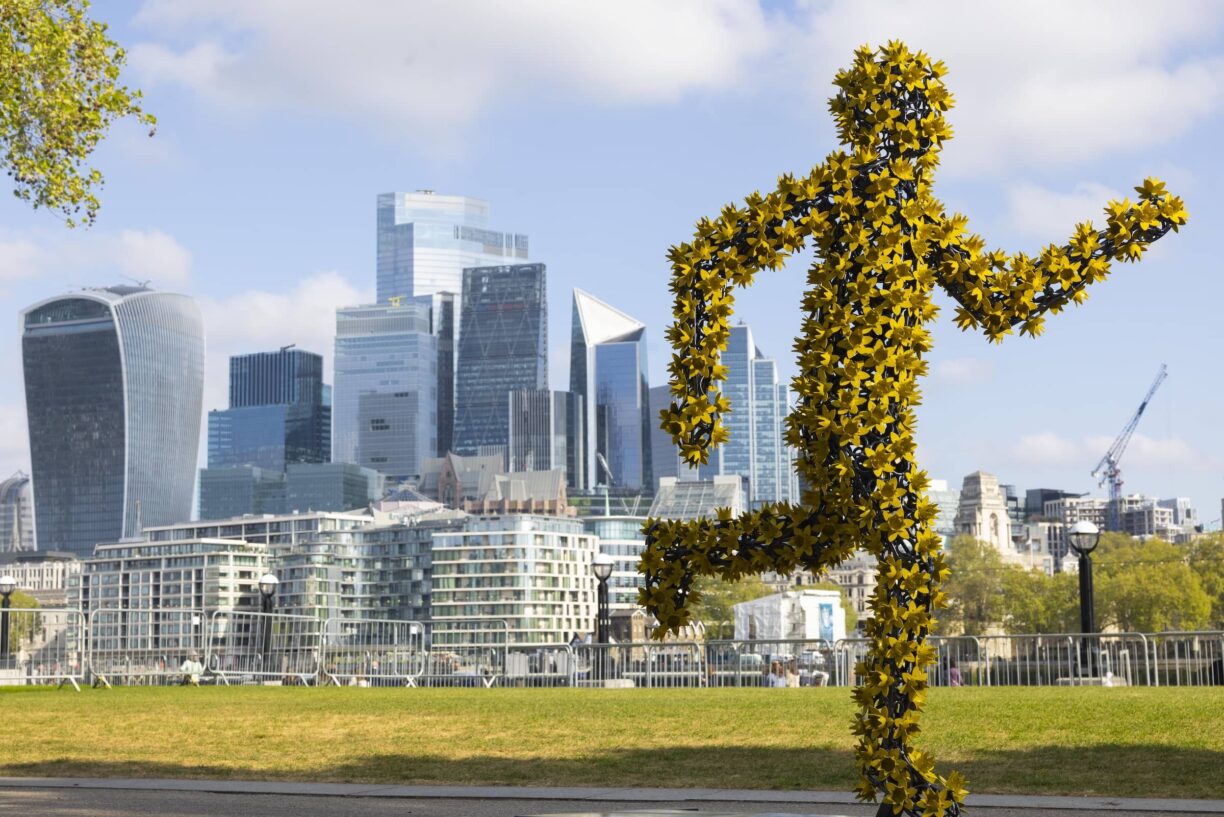
Ahead of the London Marathon this Sunday, when the capital will once again lace up, roar itself hoarse and flood the streets with heroic levels of Lycra, Marie Curie has planted something far more sobering beside Tower Bridge: a steel runner made from 557 daffodils, each one representing a person who dies every day in the UK without the end of life care they need.
It is called The Daffodil Runner, and it does not whisper.
Set at Potters Fields Park, near the iconic halfway point of the TCS London Marathon route, the statue catches the eye first because it is striking, then keeps hold of you because of what it means. This is not decorative public art. It is a hard truth in metal, standing in one of the busiest and most photographed corners of race week.
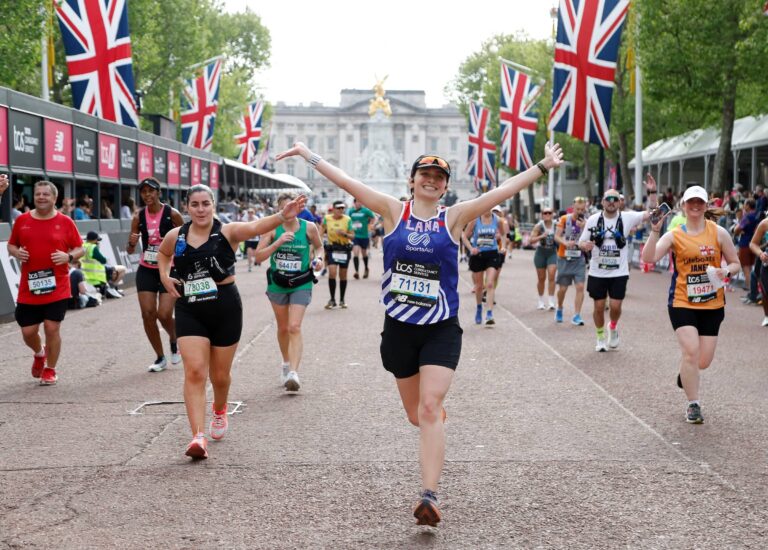
Marie Curie, the 2026 TCS London Marathon Charity of the Year, has chosen its moment well. Marathon weekend is usually full of nervous laughter, safety pins, carb-loading and the quiet dread of 26.2 miles. This year, it also comes with a reminder that some finish lines matter a great deal more than others.
557 daffodils and one uncomfortable national truth
The numbers behind the sculpture are bleak enough to take the spring out of anyone’s step.
According to Marie Curie, almost one in three people across the UK do not receive the end-of-life care they need. In poorer communities, that gap is wider still. Every three minutes, someone dies without proper support. That adds up to nearly 200,000 people a year. By 2050, with an ageing population and rising demand for palliative care, the figure could exceed a quarter of a million.
That is not a crack in the system. That is the system making a dreadful noise.
The London Marathon has always been a grand parade of human resilience, but Marie Curie’s intervention adds something more substantial than feel-good sentiment. It gives race week a moral centre. The statue turns a familiar daffodil, long associated with the charity, into something heavier and more urgent.
Crafted by hand, shaped by experience
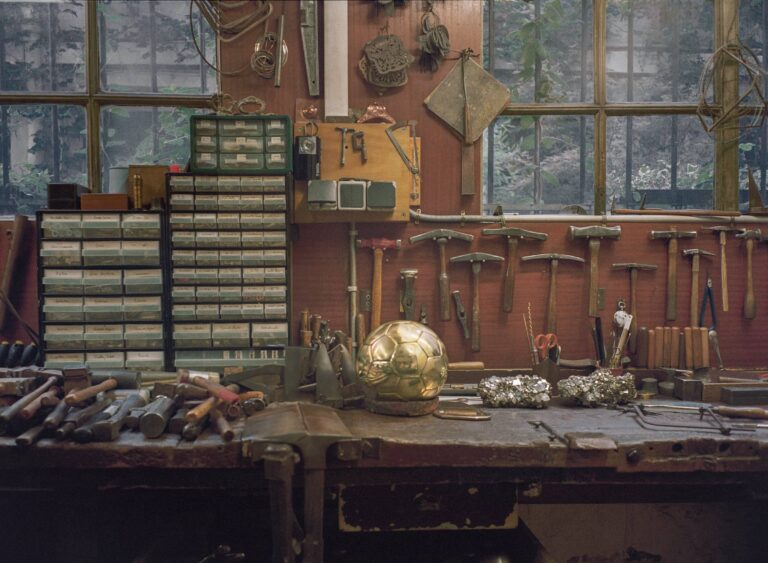
The sculpture was created by Alan Ross, a former care worker turned steel artist, who hand-welded every daffodil to the figure’s frame. The piece took more than 200 hours to complete, which feels about right. Work carrying this sort of meaning ought to take time.
Ross, a self-taught Welsh artist with two decades of care experience behind him, understood what he was building long before the final weld cooled.
Alan Ross, steel artist and creator of ‘The Daffodil Runner’ said: “It hits home working on a project like this. I was really struck by the significance of the daffodils as I was making them – every one represents a person who died and did not get the end-of-life care they deserved, and seeing them lined up hit me hard.
Having lost loved ones myself, I know just how valuable Marie Curie’s work is, so it has been an honour to work on this special commission for the charity. This statue is a call to ensure that everyone has the care and support they need to cross the finish line of life with compassion.”
There is no varnish on that. Nor should there be.
From Tower Bridge to the marathon crowds at Excel London
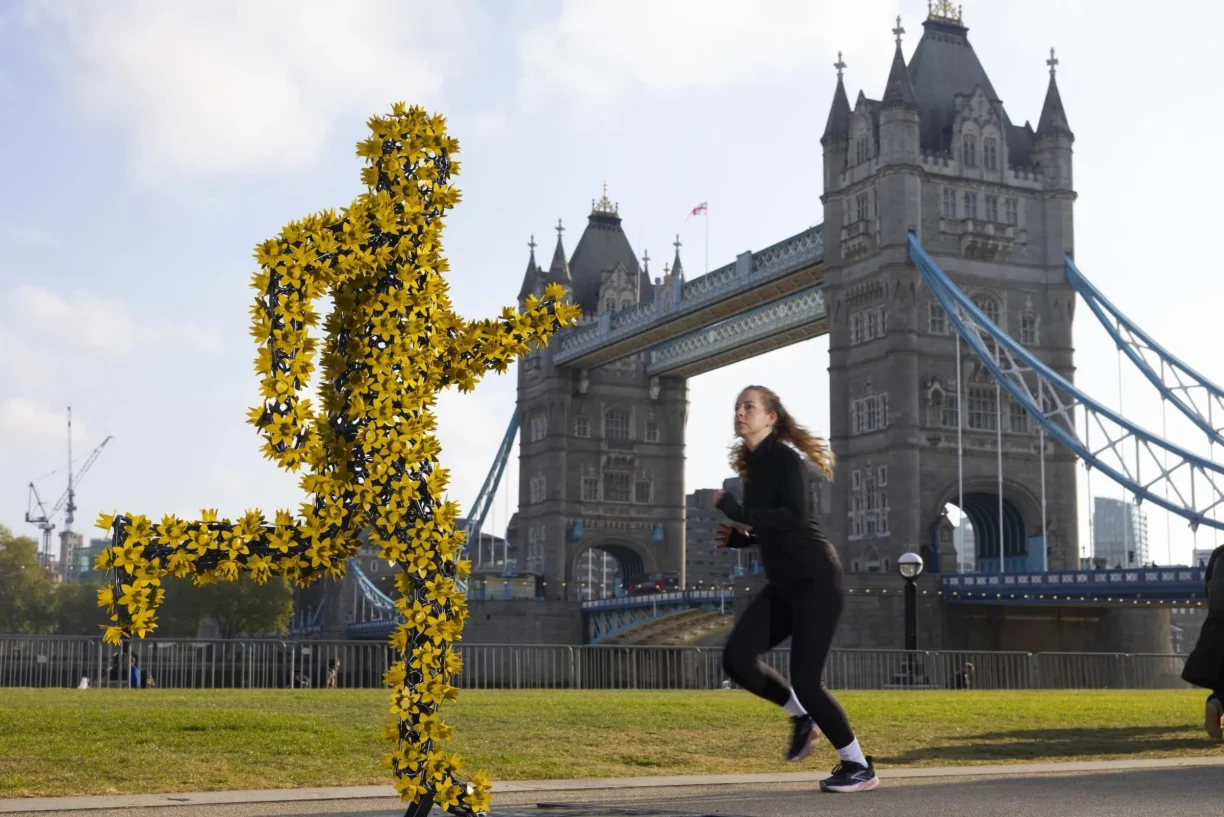
For now, The Daffodil Runner stands beside Tower Bridge, one of the most recognisable points on the London Marathon course, where the city usually offers runners a lovely little cocktail of adrenaline and panic.
From tomorrow, the artwork will move to Excel London, where marathon runners will collect their bib numbers before Sunday’s race. That is a clever shift. At Tower Bridge, it speaks to the public. At Excel, it speaks directly to participants, many of whom are running for causes stitched tightly to grief, memory, illness and family.
After the marathon, the piece will find a permanent home in the gardens of the Marie Curie Hospice, Cardiff and the Vale in Penarth, which feels fitting. A sculpture born in the noise of race week will end up in a place built for care, reflection and dignity.
Marathon runners carrying more than race-day nerves
Among those helping unveil the piece were AJ and Curtis Pritchard, who will run the 2026 TCS London Marathon for Marie Curie this weekend.
Their reason is painfully familiar to many.
Ballroom dancers and TV personalities AJ and Curtis Pritchard, who are running the 2026 TCS London Marathon for Marie Curie, said: “We lost our wonderful Nana during the pandemic, and like so many families, we’ve been living with that grief ever since. Grief doesn’t have an end line. It stays with you and you learn how to cope with it, and channelling that love and loss into something positive has been incredibly powerful.
Running the TCS London Marathon is both a tribute to our Nana and a way to stand alongside others who are experiencing similar heartache. We’re proud to support Marie Curie’s vital work and hope our efforts will help ensure more people receive the care, comfort and dignity they deserve at the end of life.”
That line about grief not having an end line lands harder than most marathon slogans ever could. It is true, unsentimental and recognisable. The London Marathon route is full of stories like that every year, but this one is attached to a national issue too often discussed in policy language and not nearly enough in human terms.
A Guinness World Record attempt with a serious point behind it
Marie Curie’s Chief Medical Officer, Dr Sarah Holmes, will also be running this weekend, and not in a straightforward manner. She is attempting to break a Guinness World Record as part of the fastest female team to complete a four-legged marathon.
Which, on paper, sounds faintly unhinged.
But the purpose is deadly serious.
Dr Sarah Holmes, Chief Medical Officer at Marie Curie, is attempting to break a Guinness World Record when she runs for the charity this weekend. She said: “Too many people spend their final days in hospital wards because the right care isn’t available at the right time.
Many can’t access the support that they need at home, or fall through the cracks, leaving thousands to die in pain or distress, without dignity. Through working at Marie Curie for over 20 years, I’ve seen firsthand the difference our expert care and support makes – we truly are with you to the end.
“Two friends and I are taking on a bonkers challenge to become the fastest female team to complete a four-legged marathon. Running all 26.2 miles tied to each other will be very tough, but when I think about all the incredible work that my Marie Curie colleagues do 365 days a year to help people going through the toughest of times – it will make every step worthwhile.”
There is something apt about being tied together for a marathon in support of end-of-life care. Illness, grief and caregiving have a habit of binding people whether they planned for it or not.
Why this London Marathon story matters beyond race day
Plenty of causes attach themselves to major sporting events. Some do it well. Some merely wave from the side-lines and hope for the best. Marie Curie has done something smarter here. It has used the vast stage of the London Marathon to frame a national crisis in a way people can see, feel and remember.
That is the value of good public art. It can sidestep the dry machinery of statistics and go straight for the ribs.
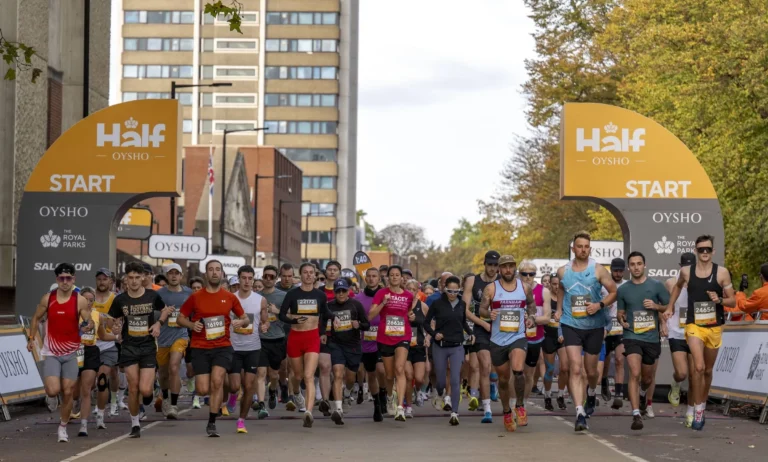
This Sunday, runners will charge through the capital chasing personal bests, survival, redemption, fancy-dress glory or just the blessed sight of the finish. Along the way, many will also be running for someone. The London Marathon has always traded in emotion, but The Daffodil Runner gives that emotion shape, weight and consequence.
And when the cheers fade, the medal selfies are posted and the sore legs begin negotiating terms with the stairs, the message should remain.
A great many people in this country are still being denied the care, comfort and dignity they need at the end of life. Marie Curie’s statue says it plainly, without melodrama and without escape.
For all the noise and spectacle of the London Marathon, that may be the most important thing anyone hears all weekend.