
Can Lingo by Abbott fix your 3pm slump? Real-time glucose tracking explained, tested and decoded for energy, focus and sleep.
If you have ever found yourself face-down on the keyboard at 3 pm insisting you are just tired, Lingo by Abbott might have other ideas. While you are slogging through another email, your blood sugar can be doing somersaults, and this coin-sized disc on your arm is there to catch the chaos in real time and feed it back to you in brutal, colourful honesty.
A biowearable that behaves like a coach, not a critic
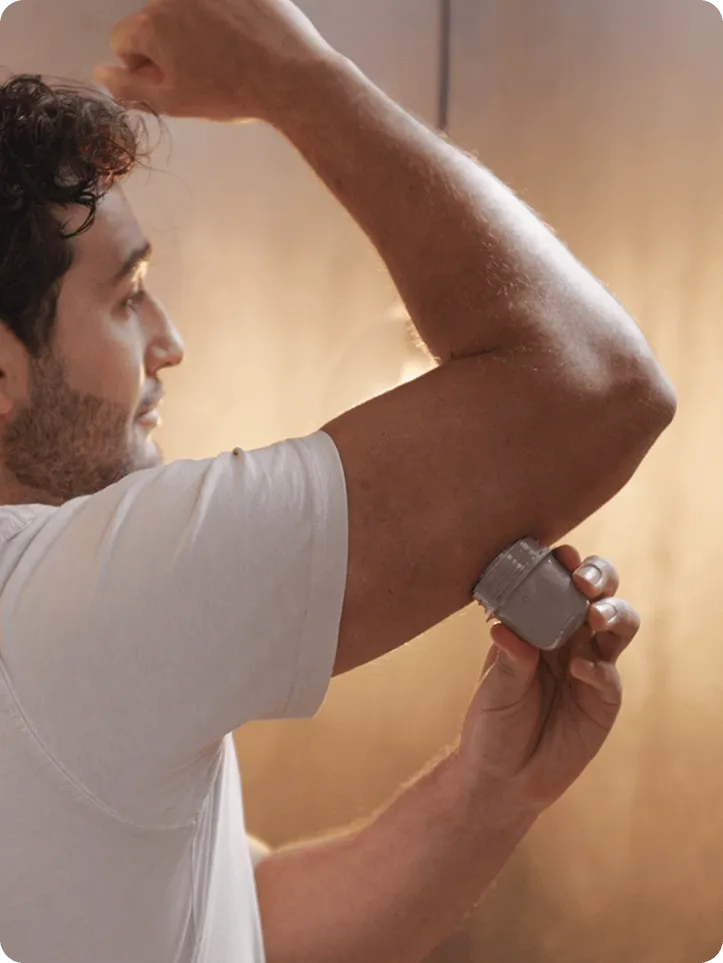
On the surface, Lingo by Abbott is simple. You get a small biosensor that sticks to the back of your upper arm and an app that lives on your phone. You press it on, give it about an hour to warm up, and then your glucose story starts unfolding minute by minute. No finger-pricks, no fiddly spreadsheets, no need to dust off long-forgotten biology lessons.
As the days roll on, patterns begin to emerge. The innocent-looking snack that sends your graph rocketing. The short walk that smooths it all back down. The virtuous breakfast you were convinced was good for you that, according to your data, behaves suspiciously like pudding.
The whole idea is that Lingo behaves like a slightly bossy but well-meaning coach. The biosensor quietly logs how your glucose responds to food, movement and stress. The app translates all of that into scores, trends and nudges that make sense to a normal human, not just a lab technician. The built-in coaching programme, put together by experts, steers you toward smarter nutrition, better-timed exercise and steadier daily routines.
You can treat it like your own science experiment, or dive into in-app challenges if you only really get going when there is a target to hit and a bag of crisps to heroically resist.
Glucose 101: the fuel you forget about until it ruins your day
Time for a quick science pit stop.
Glucose is the sugar your body pulls out of food – particularly carb-heavy things like bread, pasta, potatoes and fruit – and turns into energy. Once it is whizzing around your system, we call it blood glucose or blood sugar.
For the most part, you ignore it. Until it starts misbehaving. Wild spikes and crashes can leave you hyper then hollowed out, full of jittery energy one minute and brain fog the next. Cravings kick in, moods swing about, and bedtime becomes a strange combination of exhausted and wired.
Flattening that glucose curve – avoiding constant peaks and nose-dives – is linked with steadier energy, calmer mood, sharper focus and sleep that does not feel like a hostage negotiation. The snag is obvious: you cannot manage what you cannot see.
Sophie Bertrand who is the Resident Nutritionist at Lingo by Abbott says, “What makes real-time glucose data so useful is that it turns something invisible into something you can understand and act on. Everyone responds differently to foods, movement and daily routines. By seeing those patterns unfold minute by minute, people can make small, realistic adjustments that help shape healthier habits over time helping to optimise their long-term health.”
This is where Lingo by Abbott comes in. Instead of guessing what might be going on inside your body, you get to see it play out on screen. Once you have watched the aftermath of a pizza or a pile of sweets trace a series of fireworks across a graph, it is very hard to pretend it did not happen. The competing health claims and half-baked nutrition fads start to fade because you can see what your own body is actually doing.
Everyone processes nutrients differently; that is the whole point. Lingo’s job is not to wag a finger, but to show you how your own system responds so you can make decisions based on data, not guilt.
How Lingo by Abbott actually works
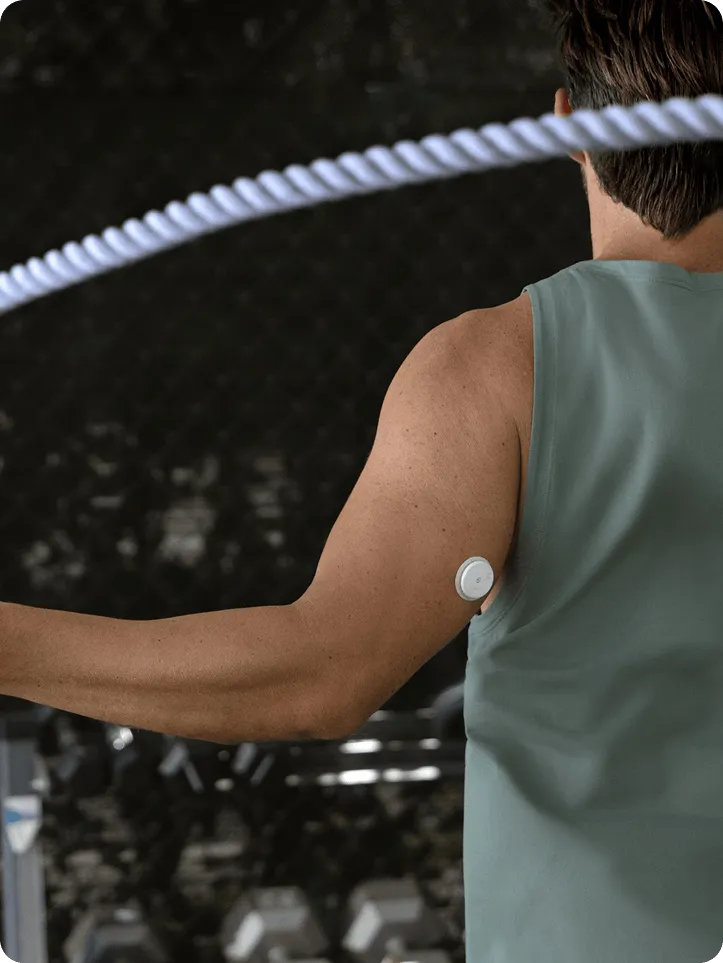
From the outside, the sensor looks like a minimalist wearable that has packed up and moved to your upper arm. Under the skin, it is far busier than it appears:
- Painless application* – the sensor is designed to sit on the back of your upper arm with minimal fuss. Once it is on, you mostly forget it is there… until you clip a doorframe and remember very quickly.
- Real-time data, every minute – a hair-thin filament just under the skin checks your glucose response to food, movement and stress, then beams it to your phone via Bluetooth around the clock. No manual scans, no long delays; the graph updates every minute.
- Two-week sensor life† – each sensor runs for up to fourteen days before you peel it off and put on a new one.
- Water-resistant and low maintenance – you can shower, sweat and swim with it on. There is no charging, so you avoid the modern embarrassment of forgetting to plug your health in overnight.
If you already live inside a health ecosystem on your phone, the Lingo app behaves itself there as well. It syncs with Apple Health and Health Connect, so you can see how that 5k run, spin class or strength session lands in your bloodstream, not just how it looked in the mirror.
The tech sits on the same foundation Abbott built for its FreeStyle Libre continuous glucose monitor, used by millions of people with diabetes. The difference is that Lingo by Abbott is aimed at anyone who wants to be proactive about metabolic health, not just those already managing a diagnosis.
From numbers to nudges: where the app earns its keep
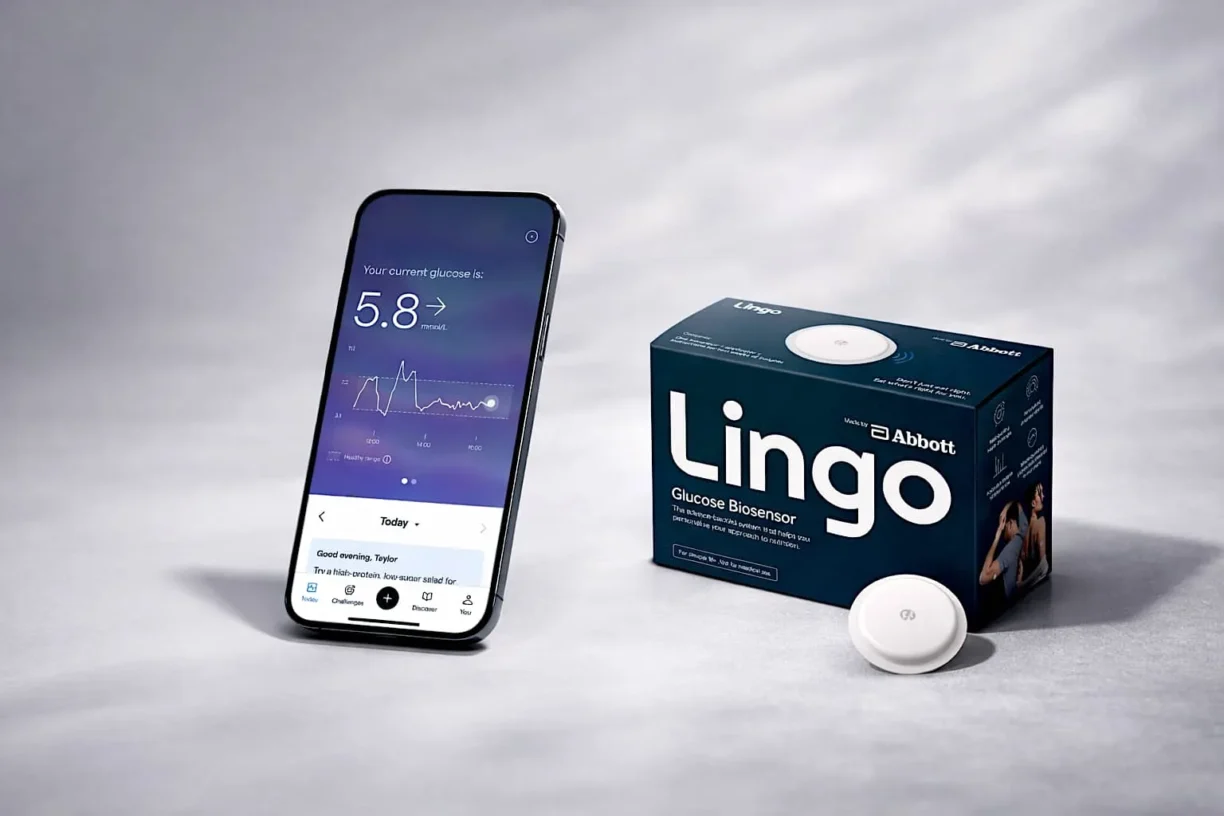
Data on its own is about as friendly as a tax return. The app is where Lingo starts to feel like an actual companion rather than a lab instrument.
You get daily, weekly and monthly views, so you can watch new habits slowly change the shape of your glucose curve. You can see which meals keep things calm and which ones send you bouncing off the metaphorical walls. Short, science-backed explainers pop up to connect the dots between glucose, movement, sleep and stress, so you start to understand why a particular pattern keeps happening rather than just seeing that it does.
Wearing a biosensor is the first step. The real goal is turning that constant trickle of data into consistent, realistic habits. Meal by meal, walk by walk, the app shows you how the way you live maps onto that wriggly line on the screen, then quietly hands the control back to you.
At heart, it is about ownership: your body, your data, your health in your hands.
Easter treats, reality checks and life with Lingo
Here is where things got personal. I strapped on Lingo just in time for the lead-up to Easter, which in hindsight was either inspired or deeply unwise.
Within days I had front-row seats to what chocolate bunnies and hot cross buns actually do to my glucose. Those supposedly harmless seasonal nibbles turned out to be less a gentle hill and more a roller coaster. Watching those sugary spikes in real time while working my way through Easter treats was equal parts fascinating and humbling.
Sophie Bertrand explains that “people can respond to chocolate in different ways and being aware of how certain chocolates affect glucose can be useful during occasions like Easter. Simple choices can help keep things steadier:
- Choose higher-cocoa options such as 80% dark chocolate, as these tend to contain less sugar than milk varieties. Also, the higher the percentage, the higher the antioxidant profile.
- Enjoy your Easter eggs after a balanced meal, rather than on an empty stomach, to support steadier glucose responses.
- Be mindful of portion size, taking time to savour smaller amounts. Larger portions of carbohydrate-rich foods can lead to more pronounced glucose increases”
Day to day, living with Lingo quickly became second nature. The app and biosensor were extremely simple to set up, and the sensor itself was surprisingly easy to wear. Most of the time I forgot it was there, right up until I brushed a door frame and got a very physical reminder. Seeing those sugar spikes and crashes laid out in front of me was oddly motivating; it is one thing to know a snack is not ideal, it is another to see the graph leap the moment you eat it.
I went into it wondering if this was just another gadget for the worried well. I came out convinced it has far broader use. It is not only relevant for people with diabetes or those flirting with pre-diabetes; it has obvious value for very active people too, anyone trying to fine-tune fuelling or avoid mid-afternoon implosions.
On the tech side, connectivity held up well. I barely had any issues unless my phone and the sensor were literally out of range of one another. No mysterious dropouts, no endless reconnection rituals.
By the end of the trial, my verdict was simple: Lingo is a genuinely useful tool for awareness and behaviour change around food and exercise. It did not magically turn me into the poster child for healthy living, but it did shine a very bright light on the gap between what I thought I was doing and what my body was actually experiencing.
Who Lingo by Abbott is really for
There are some obvious candidates for a system like this. People who suspect their energy, cravings or sleep are being jerked around by blood sugar, but have never quite managed to pin down why, will probably recognise themselves here:
- Desk-bound snackers who mysteriously demolish packets of biscuits while answering emails
- Recreational and elite athletes who want proof that their fuelling strategy works in their bloodstream, not just in their training diary
- Anyone hovering near pre-diabetic territory who would rather act on solid data than vague dread
- Sleep-deprived parents, stressed-out professionals and career yo-yo dieters who know something is off but cannot quite work out what
“Not a lot of people know that metabolic function plays an important role in our overall health, and glucose is one of the key indicators we can observe daily. Gaining visibility of glucose patterns can help people understand how their body responds to meals, activity, sleep and stress, and support more informed lifestyle choices,” says Sophie Bertrand.
She adds, “For people at risk of pre-diabetes, greater awareness can be especially valuable. Pre-diabetes is common and often unnoticed in the UK, and early action is important. Identifying when glucose is frequently above a healthy range can help support conversations with healthcare professionals and prompt timely lifestyle changes that may reduce the risk of progression to type 2 diabetes.”
The core promise behind Lingo by Abbott is control through awareness. Once you can literally see your own glucose patterns – meal by meal, mile by mile – you can start tinkering with intent. You swap one lunch for another, add a short walk after dinner instead of collapsing on the sofa, shift your last coffee earlier, and then watch in real time how your curve responds.
It stops being a morality play about good and bad eaters and becomes a simple chain of cause and effect. This breakfast does that. That walk does this.
The verdict: not magic, but a very bright torch
Lingo is not magic. It will not fling itself off your arm to swat the doughnut away, and it will not stand in the kitchen cooking vegetables on your behalf. What it offers instead is a clear, continuous window into what your body is quietly doing every minute of the day.
For a lot of people, that visibility is the missing step between knowing they should change something and finally doing it.Lingo by Abbott lets you run your own N=1 experiment with food, movement, sleep and stress, and then shows you, in minute-by-minute detail, what actually happened.
If you happen to learn the hard way what a pile of chocolate bunnies and hot cross buns does to your glucose on an Easter afternoon, at least this time the evidence is on your side. The small disc on your arm is taking notes, ready for when you decide the next holiday season might play out a little differently.
* Painless application refers to most users’ experience; individual experiences may vary.
† Sensor life up to 14 days, as specified by the manufacturer.