How lockdown webcams fuelled cosmetic demand, why online consultations soared, and what tighter regulation means for safer results.
If the coronavirus lockdown did anything, it proved Britain could survive on sourdough starters, awkward Zoom hellos, and the sudden discovery that your webcam angle had the moral compass of a tabloid photographer. In that strange new world, cosmetic surgery didn’t just remain on the radar—it became a fixation for thousands who found themselves staring at their own faces for hours a day, like a modern-day Narcissus with a dodgy Wi-Fi signal.
Clinics around the world reported an influx of new customers as restrictions eased, with people’s self-care habits and attitudes to beauty and self-image shifting under the pressure of isolation. In the UK, where the beauty sector stayed paused for longer, demand didn’t disappear—it stacked up. By the time clinics looked set to reopen, plenty of people were already mentally holding their place in the queue.
One of the surgeons who saw it first-hand was Dr Olivier Amar, who reported a surge in requests for treatments ranging from liposuction and body contouring to Botox and dermal fillers. His cosmetic treatment company, Uvence, built up extensive waiting lists, while Amar and colleagues leaned heavily on video consultations—partly to keep within government guidelines, and partly because it turned out that reassurance travelled surprisingly well through a screen.
Dr Amar, speaking about what drove the rush, tied it to a perfect storm: the sudden loss of regular treatments, a public stuck at home with too much time to think, and an unprecedented amount of self-scrutiny brought on by remote work.
“As an area that relies so heavily on personal interactions and close proximity, the pandemic had a devastating effect on the beauty industry and resulted in people being unable to access any kind of cosmetic treatment for several months.
For many people, cosmetic procedures have a considerable role to play in building confidence and a good self-image, with some procedures (particularly non-invasive dermal fillers and Botox) becoming a major cornerstone of one’s beauty regime.
With such treatments completely inaccessible in lockdown, many patients have experienced higher levels of stress and anxiousness, as ones’ mental health is often intertwined with physical wellbeing and appearance.
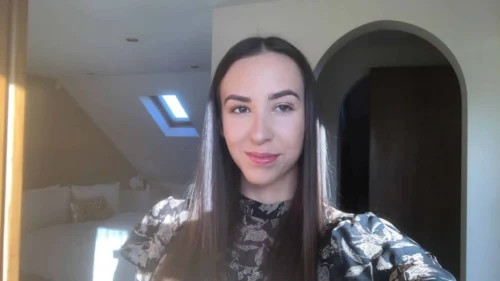
Furthermore, the sudden shift to working from home has led many people to rely on video calls, which psychologically are very similar to sitting in front of a mirror all day and ultimately present endless opportunities for self-critique.
Living in such a state of hyperawareness of one’s physical attributes and imperfections has caused many people to develop a desire to alter or enhance their appearance.
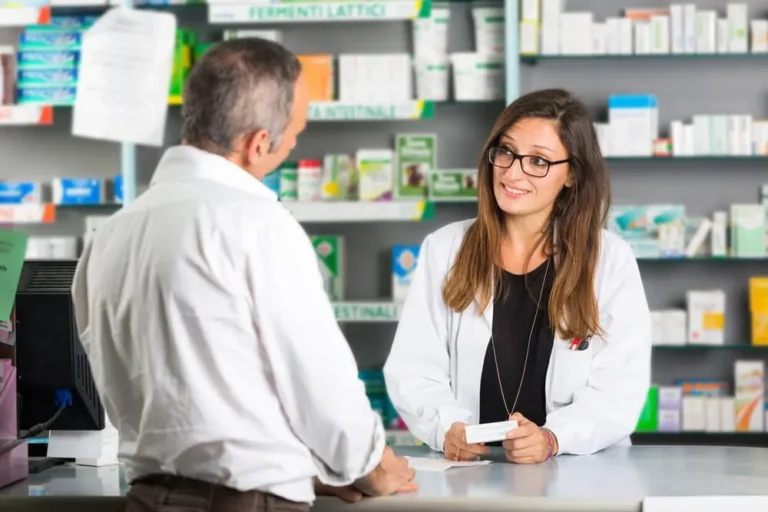
Whilst unable to carry out any procedures in lockdown, my colleagues and I had instead offered video consultations – we found this to be an extremely beneficial practice, as we are able to communicate and interact with patients and help them to manage their concerns and worries, and provide reassurance.
At Uvence, we have also offered a waiting list, so patients are able to sign up for personal consultations as soon as the clinics can return and organise their treatment.”
It was hard to argue with the psychology of it. Video calls turned millions of people into their own harshest critics. Lighting, camera position, and the weird distortion of laptop lenses conspired to make perfectly normal faces look like they belonged on a “before” poster. For some, that nudged an interest in non-invasive tweaks. For others, it escalated into more significant plans for cosmetic surgery—particularly once the thought took hold that, in lockdown, recovery could be done quietly at home.
But this wasn’t just about appearance. It was also about control. When the outside world felt unstable, body and face became the most immediate projects people felt they could manage. That didn’t make it frivolous; it made it human.
The irony was that while demand rose, clinics couldn’t deliver in-person treatment—so the industry adapted. Consultations went online. Waiting lists became the new diary. And behind the scenes, some practitioners used the forced downtime to rethink what came next.
According to Dr Amar, the pause didn’t only create backlog. It also created space for development—new ideas, new protocols, and renewed focus on safety standards.
“Whilst preventing us from working with patients, the pandemic gave surgeons and clinics more time to focus on developing the range of treatments that they offer, in preparation for the imminent return of the beauty industry in a post-COVID era.
When clinics reopen and the sector begins to move again, it will be under a completely new set of circumstances and experts in the industry must think about the long-term development of treatments and procedures.
I believe that the standardisation and regulation of the industry is one of the key areas that must be developed, as this will ensure safety and security in clinics across the country and form secure foundations from which we can develop new, innovative treatments.”
That last point landed with extra weight, because the aesthetics sector had long been a patchwork of standards, reputations, and regulation—some excellent, some less so. Lockdown didn’t just expose the public’s shifting relationship with self-image; it also highlighted how crucial safety, oversight, and patient support were, especially when demand spiked.
In the end, the lockdown-era surge in cosmetic surgery interest wasn’t a single story. It was part modern vanity, part mental health, part the brutal honesty of webcams, and part the very old human instinct to fix what you can when everything else feels out of reach.
So if a screen made you obsess over your reflection, you weren’t alone. And if the experience taught the industry anything, it was that confidence, consent, safety, and regulation mattered just as much as results.