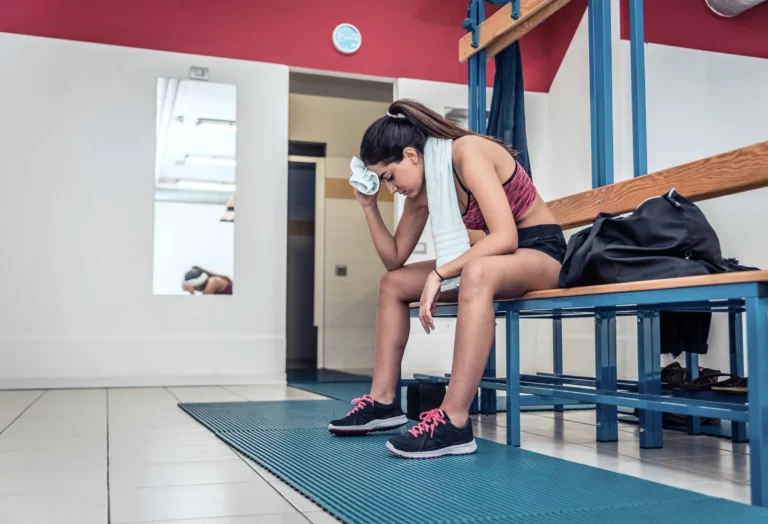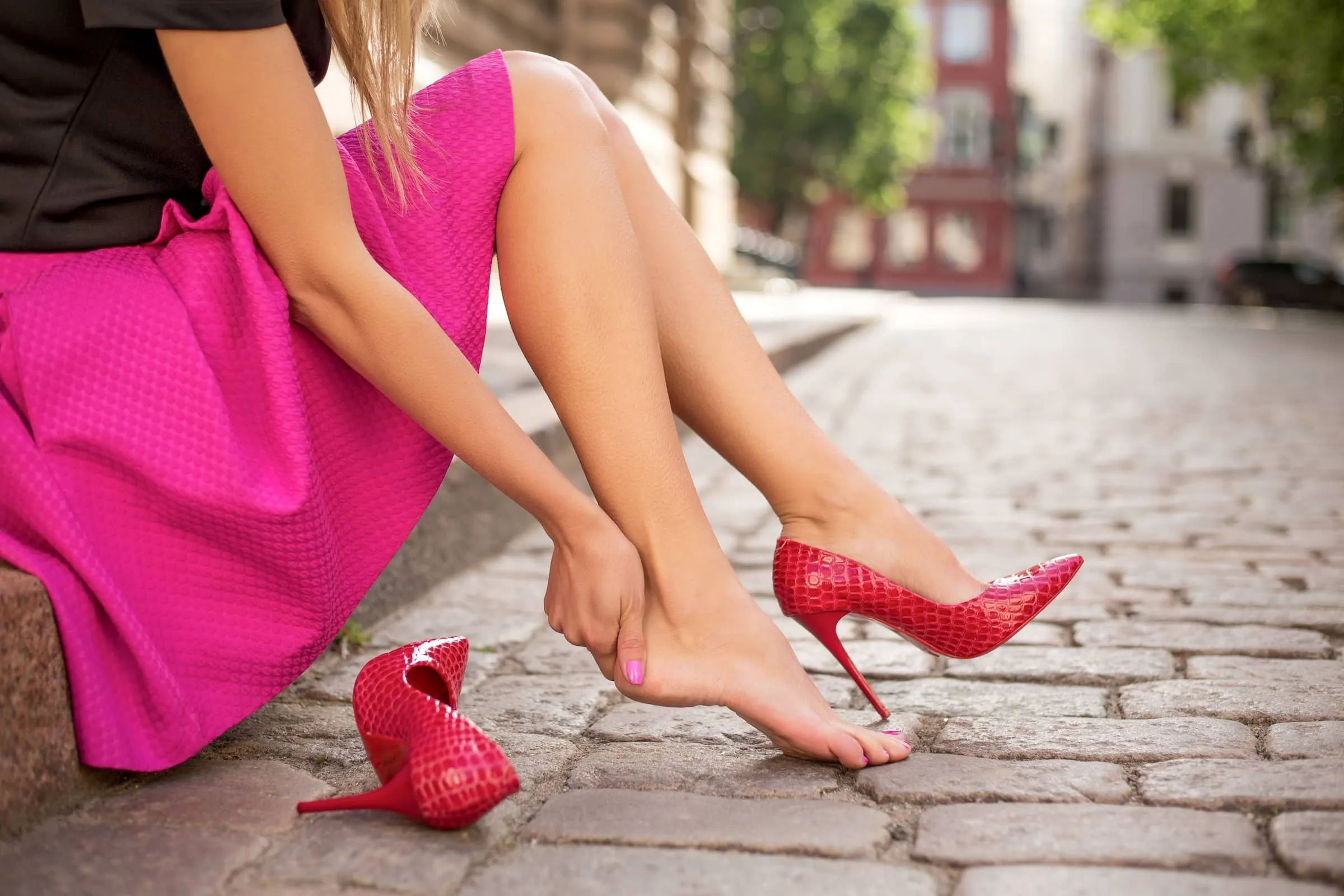
Ill-fitting shoes can cause blisters, heel pain and plantar fasciitis. New data shows most Britons still buy footwear without a proper fit.
Ill-fitting shoes are one of those quiet little wreckers of human happiness. They rarely arrive with fanfare. No sirens, no smoke, no dramatic music. Just a dull rub at the heel, a pinch at the toe, and before long you’re limping through the day like a man who’s lost an argument with a garden rake. But beneath the blisters and bravado, ill-fitting shoes can cause far more than passing discomfort. They can put real strain on the feet, affect the way the body moves, and open the door to longer-term problems that are far harder to shrug off.
New findings from GO Outdoors suggest Britain has been treating shoe fit with all the care and precision of a stag do picking wine. More than a third of 18 to 24-year-olds admit they “push through discomfort” in shoes that do not fit properly, while 77% of UK adults say they have never had their feet professionally measured. Half have experienced blisters or rubbing, which is less a surprise than a statistical confirmation of what most people already know every time they peel off their socks and wince.
The foot takes the punishment long before the rest of the body notices

Feet are marvellous bits of engineering, but they are not miracle workers. They can absorb pressure, adapt to movement and carry us for miles, yet there comes a point when badly fitted footwear stops being a nuisance and starts becoming a mechanical problem.
David Eardley, a podiatrist with more than 40 years of clinical experience, explained: “Our feet deal with huge amounts of pressure every day. When walking, each step can place around one to one-and-a-half times your body weight through the feet, and when running, this can increase to several times your body weight.
“When you combine that with tight or poorly fitted shoes, friction and pressure build up quickly, which is why problems like blisters, rubbing, and pain are so common.
“Ill-fitting footwear can also contribute to a range of problems beyond simple discomfort. Conditions like plantar fasciitis can develop when the foot isn’t supported properly, or the shoe doesn’t move naturally with the foot. In some cases, shoes that are too short or tight around the heel can also contribute to Achilles tendon irritation because of repeated pressure on the back of the heel.”
That is the issue in plain English. When the shoe does not fit the foot properly, the foot pays the bill. Pressure builds, friction increases, support disappears, and the whole lower body can end up compensating for a problem that began with a poor choice in aisle three.
The great British fantasy of “breaking them in”

There are certain lies people tell themselves because the alternative is admitting they’ve wasted money. One of the most enduring is this business about “breaking in” shoes.
The survey found that nearly a quarter of people keep wearing uncomfortable footwear because they expect it to improve. It is a touching belief, in the same way it is touching to think your dog might eventually learn to file your taxes.
Eardley debunks that idea with admirable bluntness: “Modern footwear shouldn’t need to be ‘broken in’. While it may take a short time to get used to the feel of a new shoe, it should feel comfortable from the start.
“If a shoe feels wrong straight away, it’s unlikely to improve with time. People often convince themselves it will get better because they’ve already bought it, but discomfort usually means the fit or shape isn’t right for their foot.”
And there it is. The modern shoe, if properly fitted, should not feel like a medieval punishment device for the first fortnight. If it hurts from the off, the odds are it is wrong for your foot and will remain wrong, no matter how much optimism you lace into it.
Younger buyers are still learning the hard way
The age split in the survey tells its own story. Only 55% of 18 to 24-year-olds say fit and comfort matter when buying shoes, compared with 93% of those aged 65 and over.
That has the ring of lived experience about it. The young tend to forgive a lot in the name of looks, labels or wishful thinking. Older shoppers have usually been through enough blisters, black toenails and muttered regret to know that comfort is not a luxury. It is the whole blooming point.
Still, the body is wonderfully democratic in this regard. It does not care whether the wearer is 21 and stylish or 71 and sensible. The consequences of ill-fitting shoes remain much the same: rubbing, crowding, slipping, heel pain and the creeping suspicion that walking should not feel this hostile.
Why the size on the box is only half the tale
Most people buy shoes based on length alone, which is a bit like choosing a mattress by its colour. Useful to a point, but not enough to save you from a poor night.
Proper footwear fit is about more than size. Width matters. Instep matters. Shape matters. And, crucially, many people have one foot slightly different from the other. GO Outdoors says left-right asymmetry affects more than 50% of people, which makes blind faith in a single number look even dafter.
Selected GO Outdoors stores in Manchester Arndale, Northampton, Stoke, Stockton, Coventry, Swindon, Derby and York now offer a 3D foot scanning service designed to capture the full shape of the foot rather than simply measuring length. It identifies a shopper’s individual foot profile and recommends footwear better suited to their anatomy.
In truth, it sounds overdue. The feet are doing all the work; the least we can do is stop stuffing them into the wrong shape and calling it fashion.
The small details that stop a good shoe becoming a bad one
Even when a shoe is broadly the right size, trouble can begin if it is the wrong shape or secured badly. That is often where the smaller details make a large difference.
Eardley said: “Many of the problems I see in the clinic come down to shoes that are the wrong shape for the foot. Choosing footwear that fits securely and supports the foot can reduce this movement and help prevent rubbing.
“Small details like wearing good-quality socks can also make a noticeable difference. Lacing also plays an important role. Securing the shoe properly around the midfoot and ankle helps prevent the foot sliding forward, which is a common cause of rubbing and toe discomfort.”
None of that is especially glamorous, but then neither is hobbling home with a heel that feels like it has been sanded by an angry carpenter. Good socks, proper lacing and a secure midfoot fit are not thrilling dinner-party topics, but they can spare a great deal of misery.
Comfort is not weakness, and pain is not part of the deal
What emerges from all this is a simple point that has somehow become radical: shoes should feel right. Not eventually. Not after a fortnight of suffering. Right from the start.
Ill-fitting shoes have been excused for too long because people treat discomfort as a normal part of life, as though the foot were supposed to suffer in silence while the rest of us get on with it. That is nonsense. Pain is information. Rubbing is information. A pinched toe box or a slipping heel is not character-building. It is the shoe telling you, with admirable honesty, that it is not the one.
And really, that ought to be the end of it. Life is difficult enough without your own footwear behaving like an enemy agent. Buy the wrong shoe and your feet will remember it long after your wallet has forgotten.
Watch a demonstration of the scan service, available at selected GO Outdoors stores