More than 236,000 children joined Schools Cricket Day as excitement builds for the ICC Women’s T20 World Cup 2026.
The ICC Women’s T20 World Cup is still 50 days away, but across the UK it already sounds like summer has arrived early. On one extraordinary day, more than 236,000 children from over 1,350 schools picked up a bat and ball for Schools Cricket Day, the biggest single-day cricket participation event the country has ever seen. Not bad for a Thursday morning.
That matters because tournaments do not really begin when the first ball is bowled. They begin in playgrounds, on school fields, in PE lessons, and in the slightly chaotic joy of a child trying to middle a tennis ball with a bat that looks two sizes too big. This was cricket in its most useful form: noisy, open-armed and full of possibility.
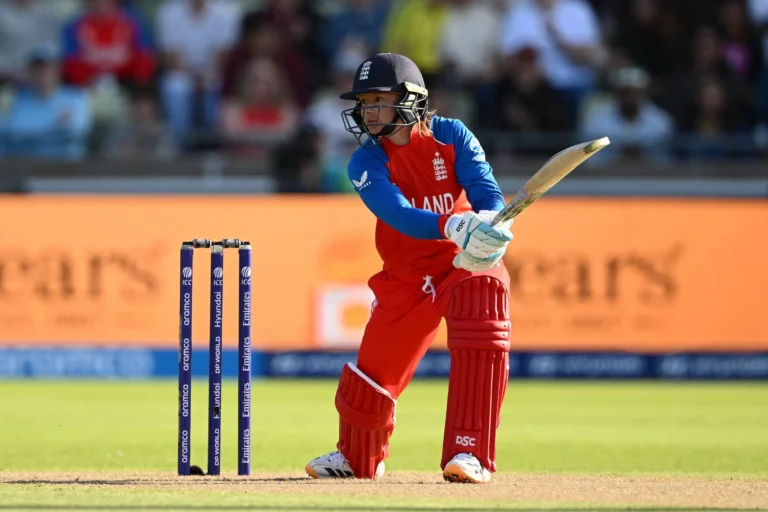
The road to the ICC Women’s T20 World Cup 2026 officially leads to Edgbaston on 12 June, where England face Sri Lanka in the opening match. But the feeling now is that the tournament has already started to do the job it was designed to do — pulling more girls and boys into the game before a ticket is even scanned.
A national warm-up with real purpose
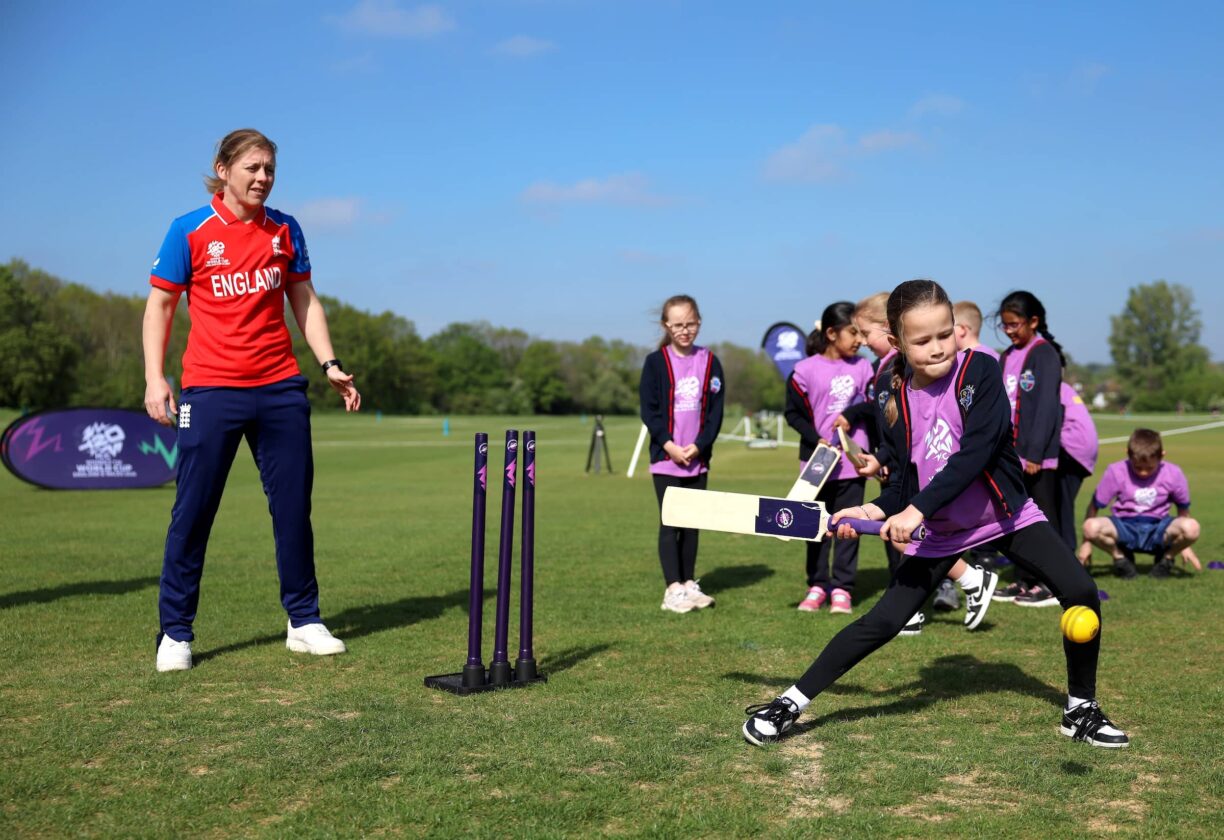
From first-timers having a swing in the playground to more organised matches on sports fields, schools across England and Wales threw themselves into the day. The scale of it was striking, but so was the symbolism.
For years, women’s sport has been forced to prove its worth before being fully embraced. Events like this suggest that argument is finally being bundled into the pavilion. The next generation is not waiting around for permission. They are already turning up.
Schools Cricket Day was built as more than a one-off celebration. It is part of the ECB’s wider attempt to use the ICC Women’s T20 World Cup as a springboard for something that lasts beyond one tournament and one summer. The target is ambitious: 500,000 women and girls playing cricket this year, 300 women stepping into leadership roles in the game, and 500 Champions of Change developed through the Young Cricket Collective to help drive action at local clubs.
That is not just a participation drive. It is a structural push. The idea is not merely to get more girls through the gate, but to make sure they can see a place for themselves once they are inside.
Heather Knight brings the game to ground level
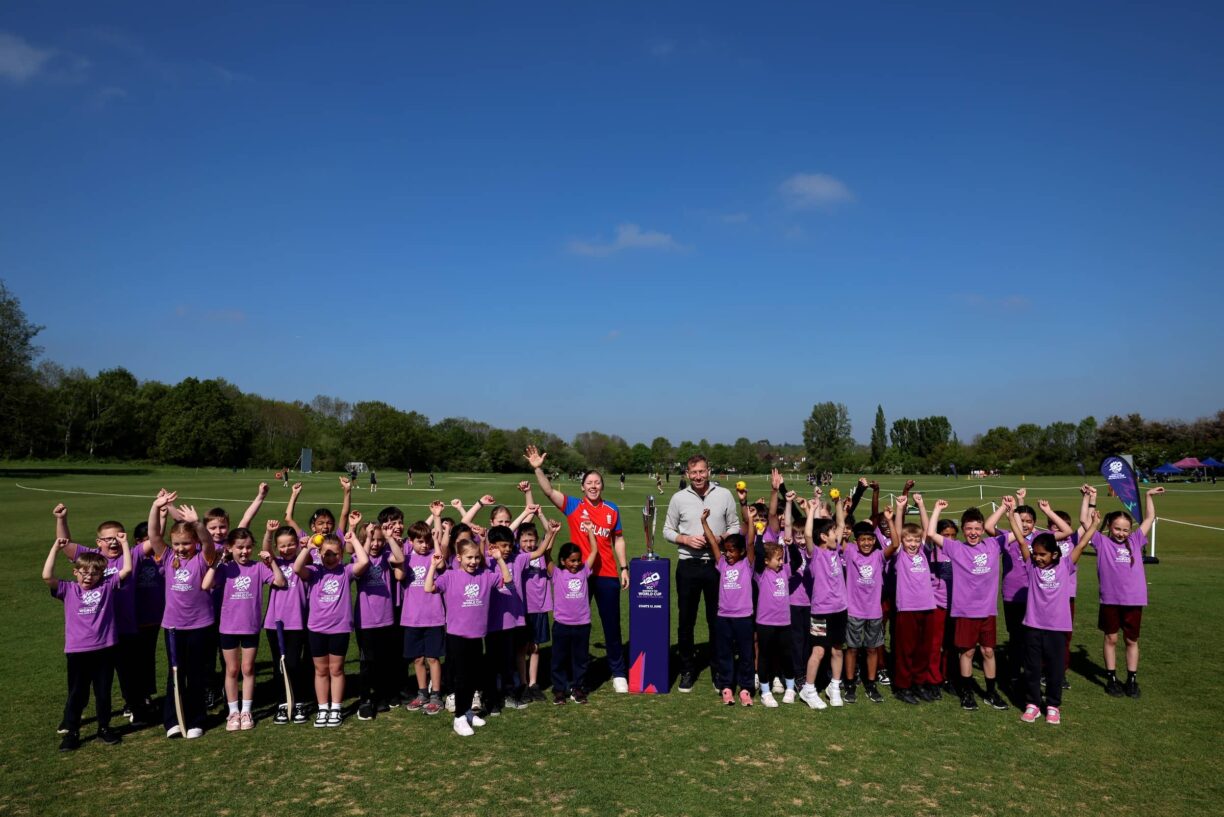
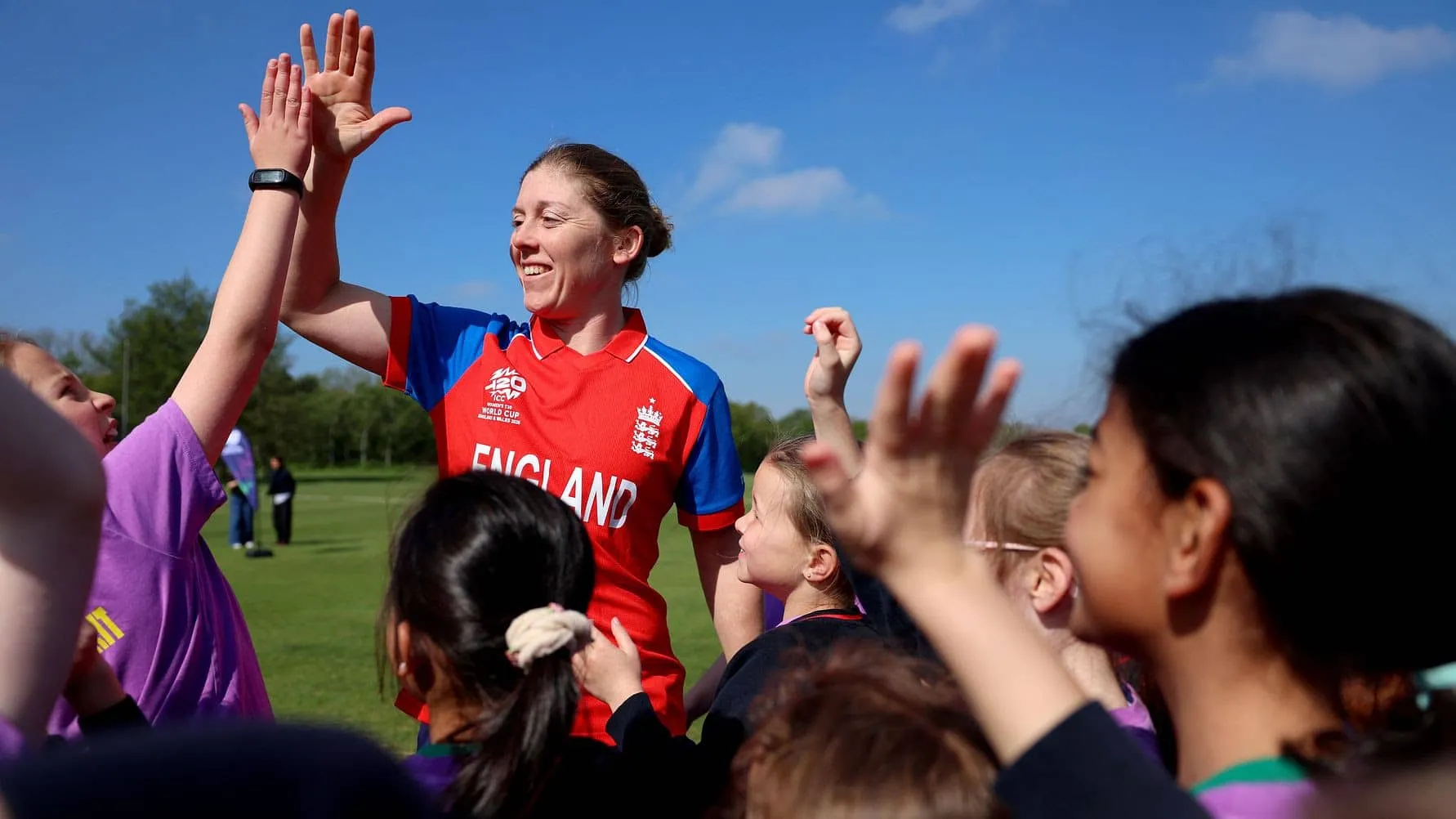
At Raynes Park Sports Ground in London, Heather Knight stood at the centre of the day’s most visible celebration, joining more than 200 girls and boys at a lively cricket festival that brought the upcoming tournament into sharp focus.
There is something fitting about Knight being at the heart of it. She has long been one of the most important figures in English cricket, but she also represents something more useful than stardom: a visible link between school sport and the international stage.
Alongside cricket drills and matches, children had the chance to meet Knight and other familiar faces including Michael Atherton, Ebony Rainford-Brent, Sky Sports presenter Hannah Wilkes and Surrey player Emily Burke. That blend of elite player, broadcaster and former international gave the day the feel of a sport putting its best foot forward without becoming self-important about it.
Speaking at the Raynes Park event, England Women’s Heather Knight said: “Cricket gave me opportunities I could never have imagined growing up, and days like today are where it all starts. For so many young people, this will be their first experience of cricket and hopefully the beginning of a lifelong connection with the game.
“I hope the ICC Women’s T20 World Cup inspires many more girls and boys to pick up a bat and ball and follow in our footsteps – it’s important the next generation see that cricket is a sport for everyone.”
Those words land because Knight’s own journey gives them weight. Her path from state school cricket to England international has made her a longstanding advocate for broader access to the sport, particularly through schools. In a game that has too often leaned on old structures and familiar pipelines, that matters.
Role models in every host city
The strength of the day was not confined to one London festival. Across host cities, established names in the women’s game were visible and active, giving the campaign a national footprint rather than a single photo opportunity.
World Cup winners Alex Hartley, Lydia Greenway and Jess Jonassen were all involved, as were Hampshire women’s captain Georgia Adams and Gloucestershire CCC women’s captain Liv Daniels. That spread of talent matters in ways cricket administrators sometimes underestimate. Children do not just need access to sport; they need to see people in it who look possible.
The ICC Women’s T20 World Cup has a chance to do exactly that this summer. Bigger tournaments create spectacle. Better ones change habits.
Why this World Cup could feel different
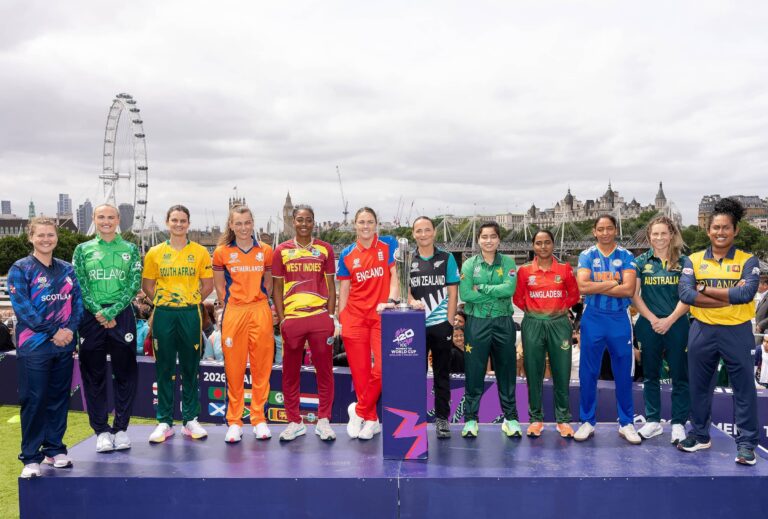
There is also a broader shift under way. This edition of the tournament expands from 10 teams to 12, a move designed to grow the women’s game globally and widen the stage for both players and supporters. More teams mean more stories, more styles, more noise and, ideally, more young fans finding someone to follow.
ICC Chairman, Mr. Jay Shah, said: “It is fantastic to see the excitement building across the UK ahead of the ICC Women’s T20 World Cup 2026. Schools Cricket Day, marking 50 days to go, has brought thousands of children into the game, many of whom may be taking their very first steps in cricket today.
“Expanding this year’s tournament from 10 to 12 teams reflects our commitment to growing the women’s game globally and creating more opportunities for players and fans alike.
“We look forward to welcoming these young participants and their families to the stadiums this summer, where they can watch their heroes and be inspired to dream bigger.”
That is the key point. The competition itself is one prize. The audience it creates is another.
More than a day out with a bat and ball
The day also included bespoke activities developed by UNICEF through its “Rights in Play” programme, with games designed to increase understanding of child rights through play and cricket participation. That added another layer to the event, nudging it beyond basic engagement and into something more rounded.
In practical terms, it means the ICC Women’s T20 World Cup is being used not only to promote cricket, but to show how sport can be a setting for confidence, inclusion and learning. That may sound lofty, but anyone who has seen a previously hesitant child take part in a team game for the first time knows it is not marketing fluff. It is real, and it can stick.
ECB Head of Strategic Growth, Gemma Barton, said: “Moments like this show how the ICC Women’s T20 World Cup is shaping the future of the game. Every girl and boy inspired to pick up a bat and ball today can see how inclusive, welcoming and fun cricket is. It’s not just about the summer ahead, it’s about what comes next: more girls playing, more teams growing, and more people feeling like they belong in the game.”
The real scoreboard starts now
There will be bigger days ahead. Edgbaston will provide the anthem, the lights and the edge of competition. England against Sri Lanka will carry the official start, the television audiences and the pressure that comes with opening a major tournament on home soil.
But this felt like one of the more meaningful moments on the road there.
Because the ICC Women’s T20 World Cup will ultimately be judged on more than its winner. It will be judged on what it leaves behind: fuller clubs, busier school sessions, stronger pathways and more girls deciding that cricket belongs to them as much as anyone else.
On that front, this was a very good start indeed. One bat, one ball, one school at a time — that is how a sport changes shape.
Catch the spirit of the ICC Women’s T20 World Cup 2026 – buy your tickets now and be part of history: tickets.womens.t20worldcup.com/