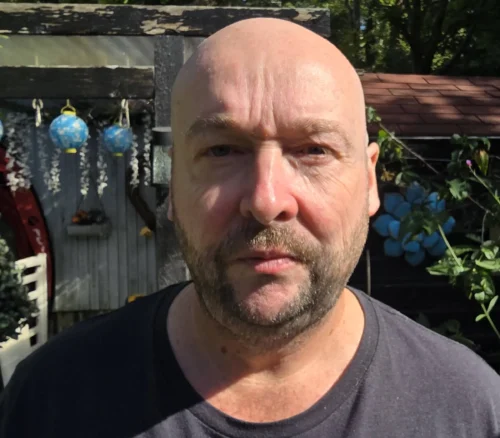
After a health scare, Hyperbaric Chamber and Red Light Therapy accelerated my recovery—combining NHS care with modern precision.
Ten hours in A&E, a scare that wasn’t a mini-stroke, and a rapid rebound powered by oxygen under pressure and a flood of photons. Sometimes the old-school virtues of the NHS meet smart, modern recovery—and it works.
A Hyperbaric Oxygen Chamber (HBOT) probably isn’t the first thing that springs to mind after a long day in A&E. Yet that’s exactly where I found myself days after a health scare that briefly had “mini-stroke” written all over it. Pair that chamber with Red Light Therapy and you’ve got a recovery combination that did more for my inflammation than any well-meaning instruction to “rest up.”
Last week started with a detour I wouldn’t recommend. One moment, I was going about my day; the next, I was lying in Accident & Emergency being prepped for scans. What followed was the full NHS orchestra: CT, MRI, and a flurry of tests carried out with the kind of precision that would make a Swiss watchmaker nod in approval.
The good news? It wasn’t a stroke. The less good news? It wasn’t just “man flu” either—some particularly stubborn inflammation was setting up camp. Through it all, the NHS team did what they’ve always done best: deliver when it matters.
Over ten hours I was cared for by doctors, nurses, a phlebotomist with the hands of a concert pianist, and a porter whose good humour made the endless scanner shuffles bearable. “Their dedication is truly inspiring.” That line gets said a lot. This time, it earned its full stop.
A few days later, the real turnaround began. Nicola Elliott at Pro Health Therapy welcomed me in, pointing me towards their Hyperbaric Chamber and Red Light Therapy bed. No incense. No chanting. No crystals. Just oxygen and light—administered with clinical precision and zero fluff.

For the uninitiated, Hyperbaric Oxygen Therapy (HBOT) involves sitting in a sealed chamber under increased atmospheric pressure while breathing near-pure oxygen. It’s not about relaxation; it’s about physiology. The extra oxygen saturates tissues, supports cellular repair, calms inflammation, and clears out the biochemical cobwebs.
Red and Nr Infrared light therapy follows up with a different trick: targeted wavelengths of light penetrate deep into tissue, telling your mitochondria to stop sulking and get back to work. Together, these therapies aim to reduce inflammation, accelerate recovery, and restore a sense of normality.

And the results? Noticeable. Quickly. Less ache. Less fog. Better sleep. My body stopped dragging its heels and started cooperating. The Pro Health Therapy Hyperbaric Chamber did the heavy lifting; the Red Light Therapy polished off the rest.
Credit where it’s due: the NHS stabilised, checked, and cleared me. Nicola’s set-up gave me the shove I needed to get moving again. Both mattered. One kept me safe when things veered off course; the other accelerated the return to everyday life. And yes, as the photos and videos prove, “laughter really is the best medicine.” But oxygen under pressure and a few billion photons don’t hurt either.
If you’re stuck with lingering inflammation or that post-infection fog that refuses to budge, consider this a firm recommendation. Book a session. Sit in the chamber. Take the light. Pay attention as your body starts to respond. Then get back to family, work, and the business of living.
What I Used – and Why It Helped


- Hyperbaric Oxygen Therapy (HBOT): Increased pressure plus oxygen to support tissue healing and reduce inflammatory load. The Pro Health Therapy Hyperbaric Chamber offered controlled, consistent sessions.
- Red Light Therapy (RLT): Targeted wavelengths to boost cellular energy production and aid recovery, especially post-infection or flare-up.
Thanks, Properly Said
To the NHS team: you kept the floor steady.
To Nicola Elliott at Pro Health Therapy: you gave me the push that got me moving again.
Tradition met technology—and the result was a swift, no-nonsense recovery.