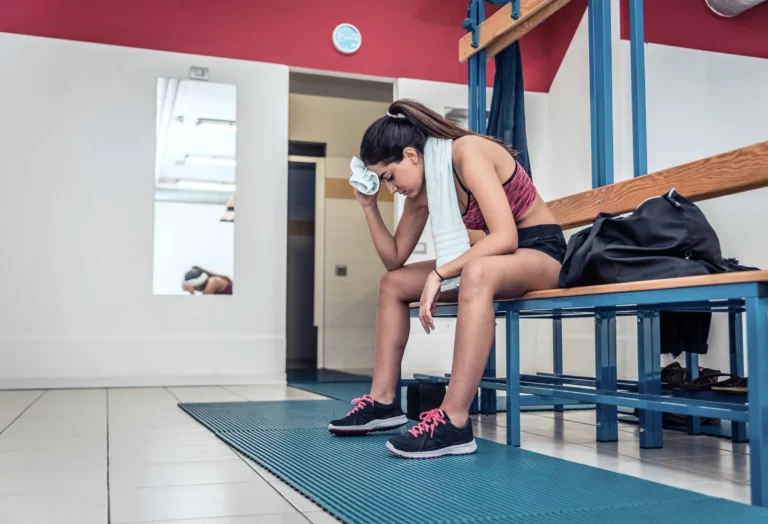
Stop stubborn odours in activewear with expert laundry tips, from vinegar soaks to cold washes and air drying.
January arrives with the usual vows of virtue—fewer biscuits, more burpees—and, according to YouGov, most Britons (61%) are aiming for health-related goals in 2026. But somewhere between the first optimistic workout and the second wash, reality hits: gym clothes can develop a stubborn, sour afterlife that clings on like a bad memory of school PE.
The experts at Pour Moi say Google searches for “how to get the sweat smell out of gym clothes” reliably surge at the start of the year, climbing by around 53% between December and February. Translation: the nation is motivated, moving… and quietly wondering why their “clean” activewear still smells like a damp tent.
The culprit, it turns out, isn’t your nose being dramatic. It’s your laundry routine meeting modern performance fabrics—and losing.
Why activewear odour is so hard to shift
Natural fibres tend to breathe and release grime more willingly. Technical sportswear, however, is built for performance: sweat-wicking, quick-drying, and durable. The catch is that synthetics can hold on to bacteria and body oils, especially if they’re washed too hot, overdosed with detergent, or left to stew in the machine.
Emma Woodrow, a buyer with over 10 years’ experience in the fashion industry, puts it plainly: “As gym sessions and workouts ramp up across the country, the amount of sweaty gymwear going into our washing machines does too, often without much thought about how it’s cleaned or dried.
“Our gym clothes are mostly made from synthetic fibres, as these are much more durable and breathable for performance than natural ones. These technical fibres pull sweat away from our bodies to the outer surface for quick drying to make our workouts feel more comfortable.
“However, because they’re designed to move moisture, they are also more prone to trapping this sweat and bacteria within their fibres if not cared for properly. Over time, this build-up can lead to that familiar damp or musty smell – even after washing.”
In other words: your kit isn’t “dirty” in the obvious sense. It’s chemically and biologically occupied.
The five-step playbook to keep gymwear fresh
If your aim is to stop that lingering funk—especially in synthetic blends like polyester and elastane—these five changes are less about “washing harder” and more about washing smarter.
1) Pre-wash with white vinegar (yes, really)
White vinegar isn’t here to win a fragrance award. It’s here to break up odour-causing build-up before the main wash.
Mix one cup of white vinegar with four cups of water and soak your activewear for 20–30 minutes. This pre-soak helps loosen bacteria and stale sweat compounds that the washing machine sometimes can’t dislodge on its own—particularly from moisture-wicking fabric.
2) Use cold water and a gentle cycle
Hotter isn’t better for technical fibres. Cold washing (ideally below 40°C) helps protect elasticity and reduces the chance of baking in smells.
A small move that helps more than you’d think: turn gymwear inside out before washing. That puts detergent where it’s needed most—against the fabric that sat closest to your skin.
One more rule worth treating like gospel: remove items within 30 minutes of the cycle ending. Leave them longer and you’re essentially hosting a warm, moist convention for mildew.
3) Choose the right detergent (and don’t overdo it)
Most detergents can remove visible dirt; not all can deal with performance fabric properly. Some leave residue that clings to synthetics, which can trap bacteria and keep odours hanging around.
Sports-specific detergents are designed to clean technical fibres without coating them. Also, resist the urge to pour in “a bit extra for luck.” Too much detergent can backfire, building up in the fabric and making the smell problem worse over time.
4) Skip fabric softener
Fabric softener feels like kindness. For activewear, it behaves more like sabotage.
It can leave a waxy coating that interferes with moisture-wicking, reduces breathability, and gives bacteria a handy place to linger. The result: workout kit that feels clammy, smells quicker, and ages faster.
5) Air dry in shade, with good ventilation
Damp fabric is odour’s best friend. Tumble drying is quick, but high heat can degrade synthetic fibres, affecting stretch, shape, and long-term performance.
Air drying is gentler. Use a clothes rack to help items dry in their natural form, and choose a ventilated, shaded spot—away from radiators and direct sunlight. It’s not glamorous, but neither is re-wearing a top that smells “fine” until minute seven of your warm-up.
Common mistakes that make gym clothes smell worse
A few habits quietly turn “fresh wash” into “why is it back?”:
- Leaving kit in a pile (or in a closed gym bag) for hours
- Letting clean laundry sit damp in the machine
- Overusing detergent in the hope of stronger cleaning
- Adding softener out of routine rather than need
- Using high heat that breaks down fibres and locks in residue
The bottom line
Keeping gym clothes fresh isn’t about perfection—it’s about reducing the things bacteria love: residue, warmth, and lingering damp. Start with the vinegar pre-soak, switch to cold washing, treat detergent like a measured ingredient, ditch the softener, and let air do the drying.
New Year goals are hard enough without being haunted by your own activewear. The aim isn’t just to look ready for the gym—it’s to smell like you’ve actually left it.