A practical family guide to private nursing care, costs, credentials, home support and choosing the right nurse.
When a loved one needs medical care outside hospital, families can suddenly find themselves acting as nurse, project manager, pharmacist, taxi driver and emotional crash mat — often before breakfast. It is a noble effort, of course, but nobility does not change dressings, manage complex medication schedules or calmly handle a 2am wobble involving blood pressure, confusion and a thermometer that has mysteriously vanished.
For many households, bringing in a private nurse is not an indulgence. It is a practical step towards safer care, calmer days and fewer family members communicating entirely through clenched teeth.
Private nursing care can support older relatives, patients recovering after surgery, people living with chronic illness, and those who need long-term help at home. But hiring the right person requires more than a quick online search and a hopeful cup of tea. Families need to understand the level of care required, the nurse’s qualifications, the cost, the emotional adjustment and the arrangement that best fits the patient’s life.
What Does A Private Nurse Actually Do?
A private nurse is a licensed healthcare professional who provides individual medical support outside a traditional hospital or clinic. That care may take place at home, in an assisted living setting or another private environment where the patient feels more settled.
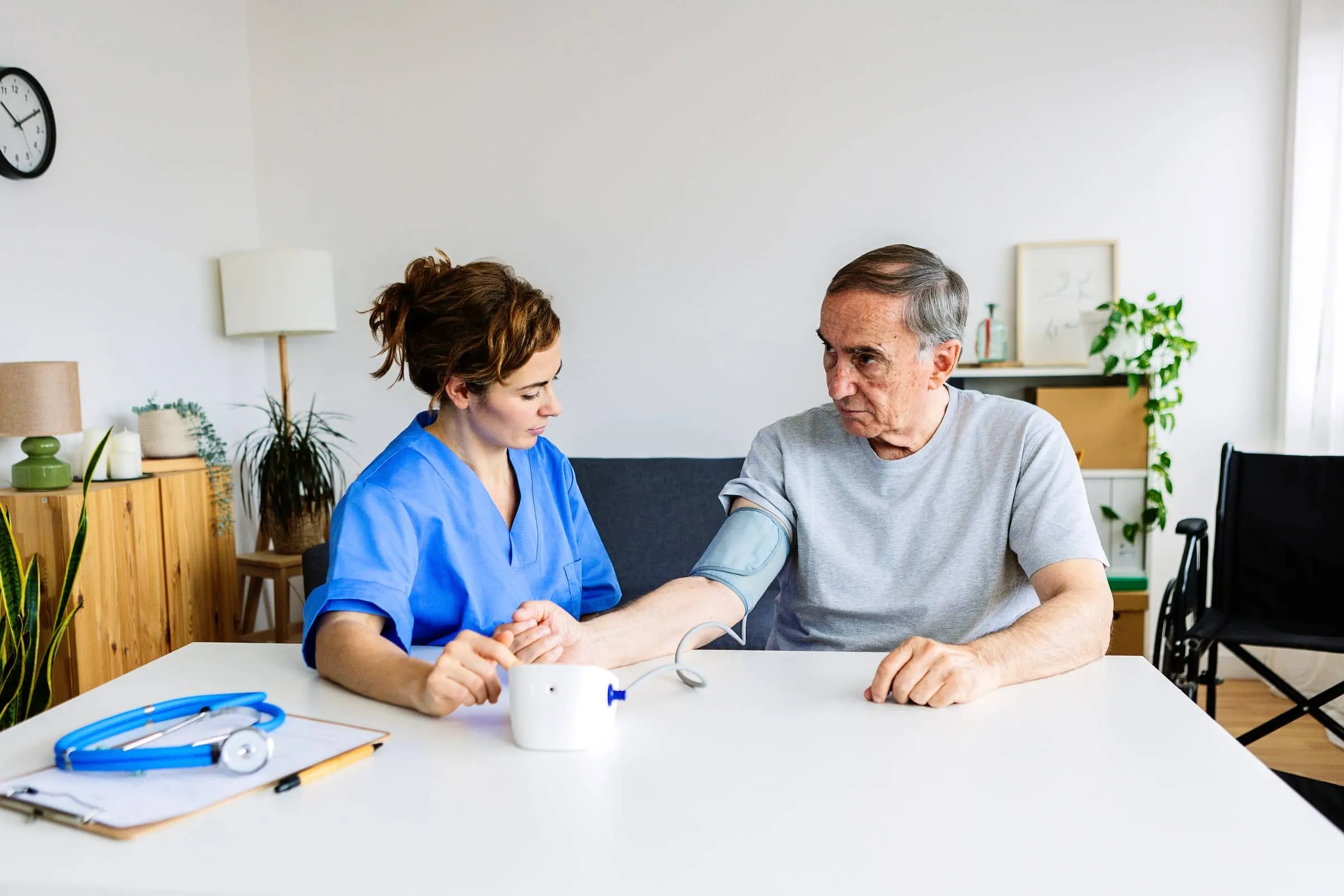
Depending on the patient’s needs, a private nurse may help with medication management, monitoring vital signs, wound care, post-surgical recovery, mobility support, chronic disease management and communication with doctors, consultants or therapists.
Some nurses also bring specialist experience in areas such as dementia care, stroke recovery or palliative support. That matters, because “nurse” is not a one-size-fits-all label. A professional who is excellent with surgical dressings may not be the right fit for someone with advanced cognitive decline. Different needs require different expertise.
Start With The Patient, Not The Panic
Before hiring anyone, families should assess the level of care needed. This sounds obvious, but in a crisis, obvious things tend to leave the building first.
Ask whether the patient needs medical supervision throughout the day, whether medication is complex, whether they require help moving safely, and whether memory or cognitive issues are involved. Overnight care may also be necessary, particularly if the person is at risk of falls, confusion or sudden deterioration.
The arrangement may be temporary, such as support after surgery, or long term, as with progressive illness or age-related frailty. Some patients only need a few hours of nursing help each week. Others may need full-time or live-in nursing care.
Getting this right early helps families avoid two common mistakes: paying for more care than is needed, or underestimating the seriousness of the situation until everyone is exhausted.
Check Qualifications Properly
Trust is lovely. Verification is better.
One of the most important steps before hiring a private nurse is confirming their professional credentials. Families should check licensing, certifications, clinical experience, specialist training, background checks and references from previous clients or employers.
This is not being awkward. It is being responsible.
Experience is especially important when the patient has complex medical needs. If the person requires wound care, post-operative support, dementia care, palliative care or chronic disease management, the nurse should have relevant experience in that area.
A good private nurse will understand why families ask detailed questions. Transparency is part of the job. Anyone who seems irritated by basic checks is waving a flag large enough to be seen from the clubhouse veranda.
Agency Or Independent Nurse?
Families usually choose between hiring through a home healthcare agency or working directly with an independent private nurse. Both routes can work, but they come with different responsibilities.
Hiring through an agency can offer structure and reassurance. Agencies often handle background checks, scheduling, payroll, insurance verification and backup staffing if a nurse is unavailable. For families already juggling hospital appointments, prescriptions and anxious relatives, that administrative support can be invaluable.
The trade-off is cost. Agency care can sometimes be more expensive, but the additional oversight may be worth it.
Hiring an independent nurse may offer greater flexibility and, in some cases, lower overall costs. Families may be able to agree more personalised arrangements directly. However, they may also need to manage contracts, scheduling, tax considerations, checks and contingency plans themselves.
The better choice depends on the patient’s needs, the family’s confidence and how much administration they are willing to take on.
Understand The Cost Before You Commit
Private nursing care can vary significantly in price. Costs may depend on the nurse’s qualifications, the number of hours required, location, specialist medical needs and whether the care is hourly, overnight or live-in.
Before making a decision, families should request clear pricing and confirm exactly what is included. Does the fee cover medication support? Wound care? Travel time? Emergency calls? Written updates? Specialist nursing tasks?
It is also worth checking whether insurance covers part of the care, whether long-term care insurance applies, whether any healthcare programmes offer assistance, and whether flexible payment options are available.
Money conversations are rarely pleasant, but they are far better handled at the start than halfway through a care arrangement when stress is already circling like a buzzard over the 18th green.
Communication Can Make Or Break The Arrangement
Successful private nursing care depends on clear communication between the nurse, patient and family. Everyone needs to know who is responsible for what.
Before care begins, discuss daily routines, medication schedules, emergency procedures, reporting expectations and how updates will be shared. Families should also agree who the main point of contact will be, because too many voices can turn a simple care plan into a committee meeting with blood pressure cuffs.
Good communication reduces misunderstandings. It also helps the nurse understand the patient as a person, not just a list of symptoms, prescriptions and appointments.
That human detail matters. Does the patient like mornings quiet? Do they get anxious before bathing? Do they prefer a particular chair, meal routine or television volume that could disturb aircraft? These things shape trust.
Do Not Ignore The Emotional Side
Bringing a healthcare professional into the home can feel like a major shift. For the patient, it may raise fears about losing independence, privacy or control. For relatives, it can stir guilt, relief, worry and the faint suspicion that they should somehow be doing everything themselves.
Whenever possible, involve the patient in the decision. Giving them a voice can reduce resistance and help build trust with the nurse.
The right private nurse understands that emotional support is not a decorative extra. It is part of good care. Patients need to feel respected, safe and listened to. Families need to know their loved one is being treated with dignity, not processed like a hospital discharge form.
Plan For Changing Needs
Health rarely moves in a straight line. A person recovering from surgery may improve quickly. Someone with a chronic or age-related condition may need more support over time. A patient who begins with a few hours of weekly care may later require overnight assistance or more specialised medical care.
Families should think beyond the immediate problem. Consider how care might change, whether the arrangement is flexible, whether additional support can be added, and what happens during emergencies or hospital readmissions.
Planning ahead does not mean expecting the worst. It means not being surprised by the entirely predictable.
Watch For Warning Signs
Not every care arrangement is the right fit. Families should pay attention to missed medications, poor communication, frequent lateness, lack of professionalism, personality clashes or signs that the patient feels uncomfortable.
Some issues can be resolved with a clear conversation. Others may signal that a change is needed.
Trust and reliability are non-negotiable in private nursing care. When someone is responsible for a loved one’s wellbeing, “mostly fine” is not a standard. It is a weather forecast.
A Calmer Way To Care At Home
Choosing to hire a private nurse is a significant decision, but it can make life safer, steadier and more humane for everyone involved. Professional support can ease pressure on family caregivers while giving patients access to personalised medical care in familiar surroundings.
The key is preparation. Assess the patient’s needs honestly. Check qualifications carefully. Understand the costs. Set expectations clearly. Keep communication open. And remember that the best nursing care is not just clinical competence, but calm, dignity and kindness delivered at close range.
Because when a loved one needs proper care at home, the goal is not simply to get through the day. It is to help them live it with as much comfort, respect and peace as possible.