How to choose the right health club equipment for space, users, budget and performance.
A successful health club is not built by stuffing a room with expensive machines and hoping for the best. It comes from choosing equipment that suits the space, the people using it, and the kind of training the facility is meant to support. A large fitness centre has very different demands from a compact apartment gym or a quiet corporate wellness room, which is why smart decisions around layout and kit matter from the outset.
That is the bit many owners learn the hard way. The right commercial gym setup is never one-size-fits-all. Some spaces need heavy-duty strength stations that can withstand a daily battering. Others need low-impact cardio machines that run quietly and fit neatly into smaller rooms. The best facilities feel complete because the equipment has been chosen with purpose, not simply purchased in bulk.
Why facility type should shape every buying decision
The biggest mistake in gym design is assuming all commercial equipment serves the same purpose. It does not. What works in a high-volume training space may be completely wrong for a residential gym or office wellness suite.
The smartest operators do not buy on impulse or fill a floor with whatever happens to be fashionable. They invest in equipment for fitness clubs and studios that matches the space, the level of traffic, the training style and the needs of the people using it. Get that right, and the whole place feels more considered, more efficient and far more likely to last.
That matters in practical terms. Equipment affects member flow, noise levels, maintenance costs and the confidence people feel when they walk into the room. In a busy health club, the difference between a well-planned floor and a muddled one is obvious within about thirty seconds.
Power racks are the backbone of high-intensity gyms

In any high-intensity training environment, the strength area takes a proper pounding. Barbells are dropped, plates are shifted about, and the same stations are used over and over again by lifters, coaches and classes. That is why a commercial power rack is not just another piece of equipment. It is the centre of gravity.
A solid rack needs thick steel, a wide base and a weight capacity that inspires confidence rather than concern. If a member is loading up for heavy squats, the last thing they want is a frame that looks as though it might start negotiating with gravity.
Safety features carry just as much weight. Adjustable safety arms, sturdy J-cups and clearly marked uprights make the rack easier to use and quicker to adjust between sets. In a crowded gym, that helps the whole strength area run more smoothly.
The better models also offer versatility. Pull-up bars, landmine attachments and integrated plate storage add training options without demanding more floor space. For facilities that need one station to handle free weights, accessory work and coaching sessions, that flexibility is worth its weight in steel.
Quiet ellipticals make sense in office wellness rooms
Office wellness rooms have their own rules. They need equipment that is compact, easy to use and, above all, quiet. Nobody wants to be midway through a meeting while a treadmill next door sounds like a suitcase full of cutlery falling down the stairs.
That is why commercial ellipticals are such a sensible choice in these settings. They provide low-impact cardio, smooth movement and far less noise than machines with hard foot strikes or louder motors. Employees can get some exercise in without disturbing the rest of the building.
Durability still matters, even in quieter spaces. Commercial-grade ellipticals tend to use sealed bearings, smooth drive systems and solid frames that reduce vibration and hold up under steady daily use. For facility managers, that means less maintenance and fewer complaints.
They also appeal to a wide range of users. The motion is gentle on the joints, resistance levels can be adjusted easily, and the consoles are usually straightforward enough that nobody needs a manual and a cup of tea to get started.
Compact weight machines are ideal for apartment gyms
Apartment gyms live on efficiency. Space is limited, the user base is mixed, and the equipment needs to offer enough variety without making the room feel cramped or chaotic.
This is where compact strength machines earn their keep. Single-stack units are particularly useful because they combine several exercises in one footprint, allowing residents to train chest, back and legs without the room looking like a warehouse clearance sale.
Adjustable cable machines work well too. They offer versatility, support different movement patterns and keep the layout more open than a cluster of separate stations. In smaller fitness rooms, that matters.
Enclosed weight stacks are another practical advantage. They reduce noise, improve safety and lower the chances of plates being left where somebody can trip over them. In shared residential spaces, simple adjustment points and clear labels also help residents use the equipment without confusion or frustration.
Heavy-duty treadmills are a must in a busy health club
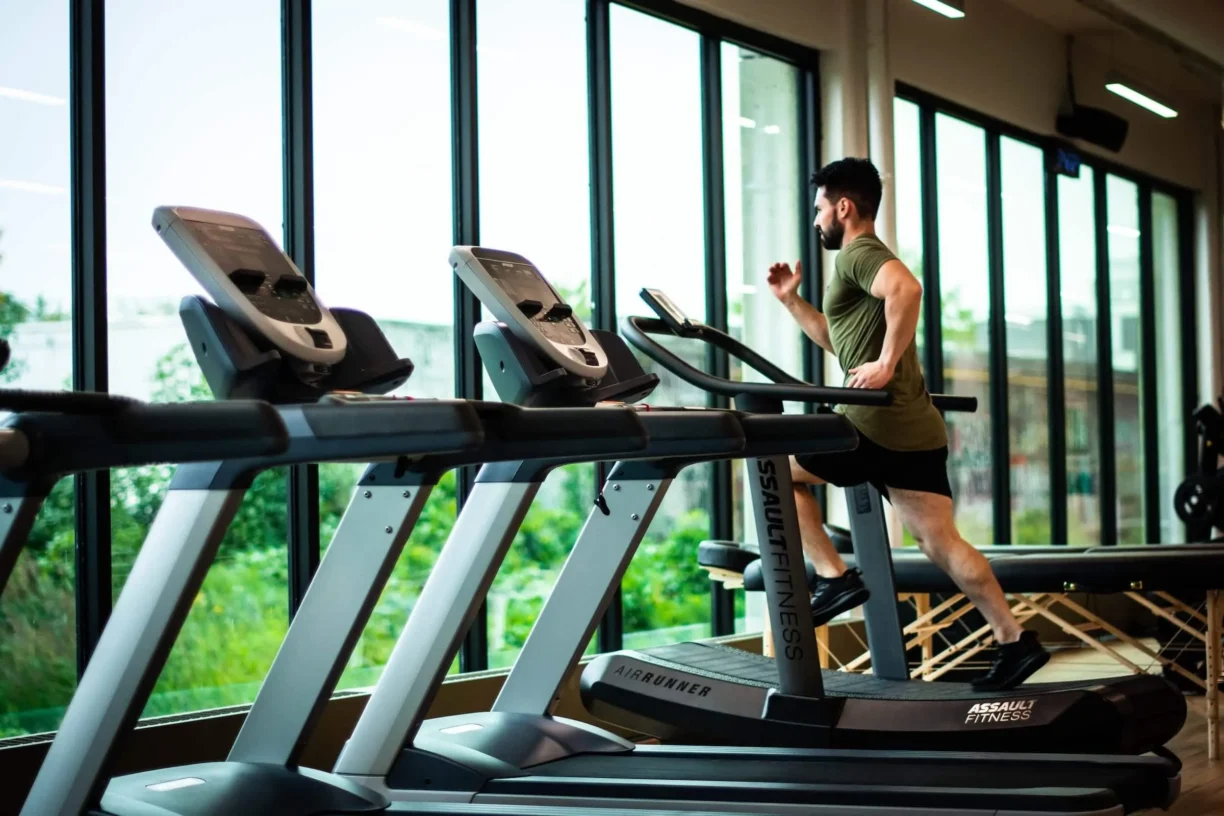
Few machines take more punishment in a busy health club than the treadmill. From early-morning walkers to lunchtime joggers and evening runners, they are in constant use. If the machine is not built for that sort of traffic, it will soon make its feelings known.
Heavy-duty commercial treadmills need strong frames, generous running decks and motors powerful enough to cope with prolonged use. Cooling systems matter too, because when machines run all day, heat becomes the enemy and repair bills rarely arrive bearing gifts.
Good consoles can also make a real difference. Members want workout tracking, interval options and connectivity, but they also want controls that are easy to understand. The best treadmills do not overwhelm users with unnecessary complications. They simply work.
For operators, reliability is where the real value lies. Durable treadmills mean less downtime, fewer service callouts and a better experience for members. In a large facility, that consistency is worth far more than saving a few pounds upfront.
Functional rigs give boutique studios room to breathe
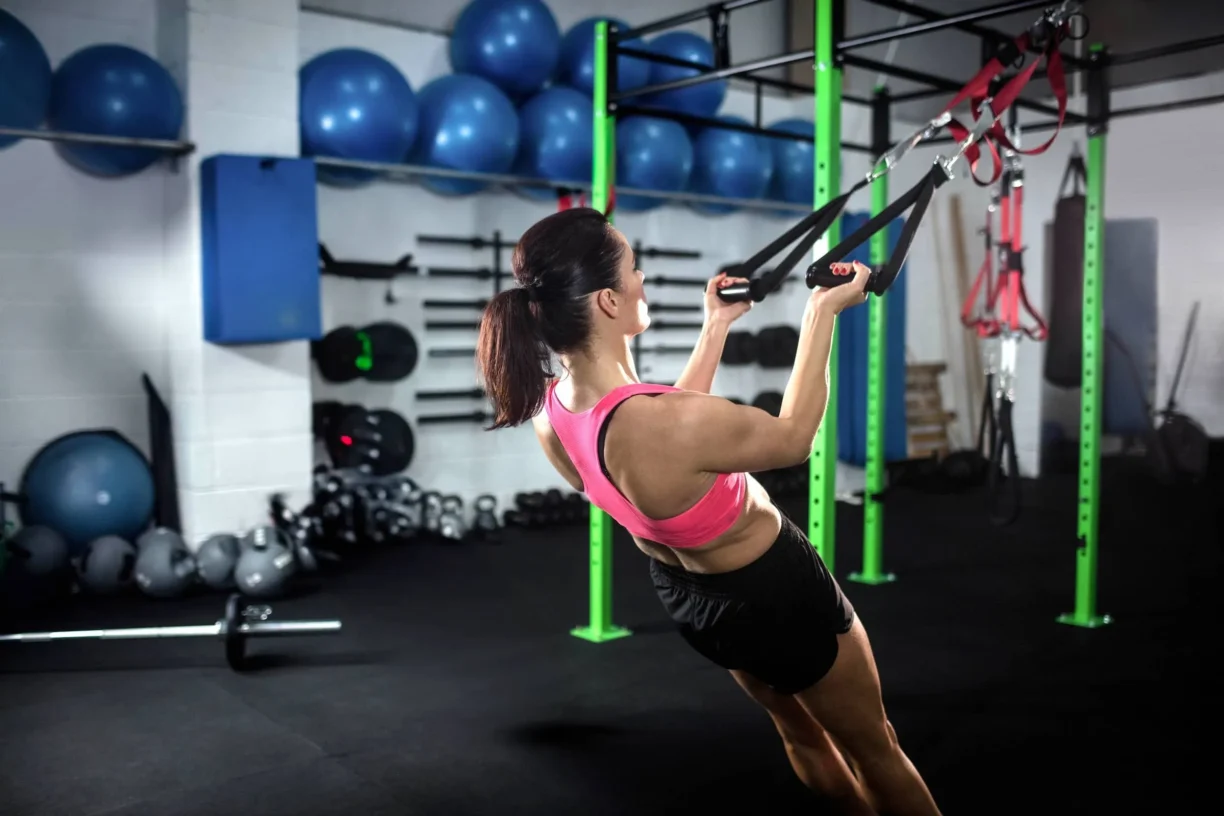
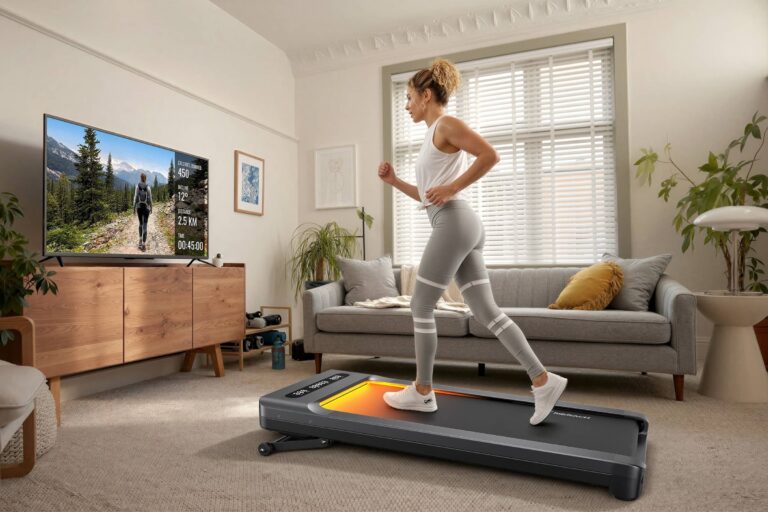
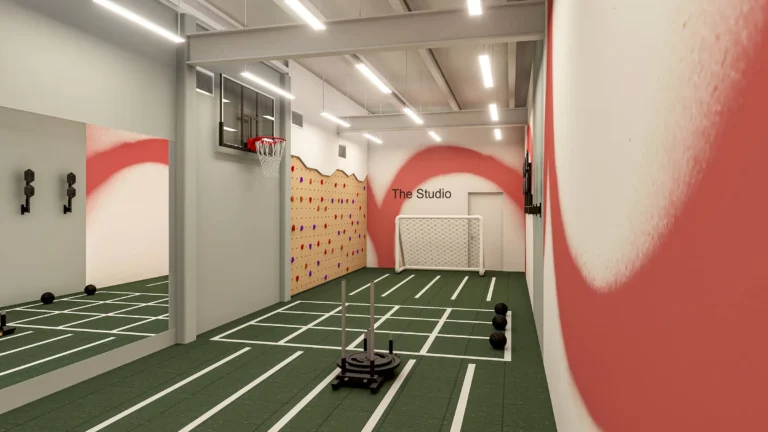
Boutique studios tend to ask more from less space, and functional training rigs are often what make that possible. They allow one area to support group sessions, strength circuits and high-intensity classes without the floor becoming cluttered.
A good rig can include pull-up bars, suspension points, storage options and space-saving wall-mounted features. Some stand freely as a central hub, while others sit neatly against the wall and leave more room for movement.
The real attraction is flexibility. Modular systems allow owners to add extra stations, shelves or attachments as membership grows or programming changes. That is far more practical than ripping everything out and starting again the minute the timetable evolves.
For boutique spaces, flow is everything. Members need clear walkways, coaches need sight lines, and equipment needs to stay organised. A well-designed rig helps the studio feel purposeful rather than improvised.
What owners should consider before buying
Before spending a penny, decision-makers should think about four basic things: who will use the space, how often, what style of training it needs to support, and what physical limitations the room presents.
A university gym or full-scale health club needs commercial equipment built for volume and durability. A corporate wellness room needs quieter, low-maintenance machines. An apartment gym needs compact versatility. A boutique studio needs an adaptable infrastructure that can evolve over time.
The right buying strategy is rarely about having more equipment. It is about having the right mix of cardio machines, strength stations and functional training tools for the people using the facility every day.
The best facilities feel right for a reason
Well-run gyms always seem to have a rhythm about them. The layout makes sense. The equipment feels appropriate. Nothing appears to have been shoved in as an afterthought. Members can move through the space without waiting endlessly, guessing what a machine does, or wondering why the room feels awkward.
That is not luck. It comes from choosing equipment that fits the purpose of the facility, whether that is a residential gym, a boutique studio, a corporate fitness room or a full-service health club.
In the end, the real test is not how impressive the equipment looks on opening day. It is whether it helps create a place people genuinely want to use. The best facilities are the ones that feel well judged, work properly and give members a reason to come back.