How gyms can protect members and staff with smarter surveillance, access control, AI screening and emergency planning.
A gym’s security system should be treated with the same seriousness as its equipment, hygiene standards and staff training. After all, there is little point offering state-of-the-art treadmills, gleaming squat racks and a smoothie bar with the confidence of a Mayfair cocktail lounge if members do not feel safe walking through the door.
Gyms are unusual places. People arrive half-asleep before work, spill in after dark, train alone with headphones on, leave bags in lockers, carry phones, watches and wallets, and expect the whole operation to run smoothly in the background.
That makes security less of a “nice to have” and more of a quiet backbone. When it works, nobody talks about it. When it fails, everyone does.
Safety Is Now Part Of The Gym Experience
For years, gym security meant a member of staff at reception, a clipboard, a few cameras and perhaps a stern sign about tailgating through the entry gate.
That will not cut it now.
Modern fitness clubs are busy, mixed-use spaces. Some are open 24 hours. Some have unmanned periods. Many have large changing rooms, car parks, studios, treatment rooms and side entrances. The risk profile has changed, and gym owners need to think beyond simply checking who has paid their monthly membership.
A good security system protects people first. Then it protects property, equipment and reputation. In that order.
Members should be able to train without worrying about theft, unwanted behaviour, poor lighting, unauthorised entry or what happens if there is a medical emergency.
CCTV Still Matters, But Placement Is Everything
Surveillance is still the old reliable in the security world. Not glamorous, perhaps, but neither is a seven-iron into a headwind and that still gets the job done.
High-resolution cameras can deter criminal behaviour, help staff monitor activity and provide useful evidence if something goes wrong. The key is coverage.
Entrances, exits, corridors, reception areas, common spaces, equipment zones and external areas should all be considered. Locker rooms and private areas need careful handling, of course. Privacy cannot be treated as an inconvenience.
The best camera setup is not the one that simply records hours of footage nobody checks. It is the one that gives staff clear visibility, reliable playback and alerts when unusual movement or activity occurs.
Motion detection and real-time notifications can make a major difference, particularly in larger gyms or facilities with long opening hours.
Weapon Detection Without Turning The Gym Into An Airport
Weapon detection systems are increasingly being discussed in gyms, leisure centres and sports facilities. That may sound dramatic, but the point is not to create panic. It is to reduce risk before it reaches the gym floor.
The best systems are discreet. They scan people entering the building without causing queues, embarrassment or a clunky check-in experience.
That matters because gyms depend on atmosphere. Members want to feel safe, not interrogated.
A weapon detection system can add a visible layer of reassurance while discouraging potential threats. For operators, it shows that safety has been properly considered rather than bolted on after an incident.
AI Screening Is Useful When It Supports Staff
Artificial intelligence is beginning to play a bigger role in gym security, particularly around screening and threat detection.
AI weapons screening can help identify suspicious objects while reducing false alarms. That is important because false alarms are not harmless. Too many of them and staff start ignoring the system, members get irritated, and the whole thing becomes another noisy box in the corner.
A well-set-up AI system analyses data in real time, learns from patterns and improves over time. It can help staff focus on people rather than staring endlessly at monitors.
But this is where gym owners need to stay sensible. AI is not a substitute for trained staff, good judgement or proper procedures. It is a tool. A useful one, certainly, but still a tool.
Access Control Is Where Most Problems Begin
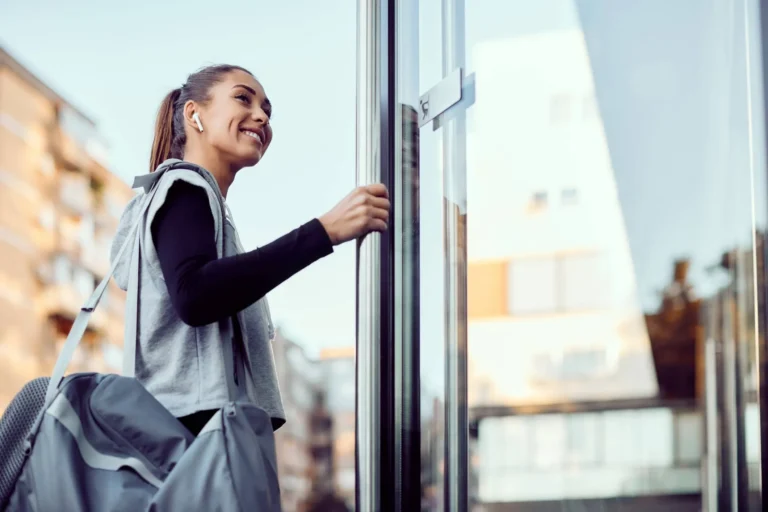
The front door is where gym security either starts well or falls apart.
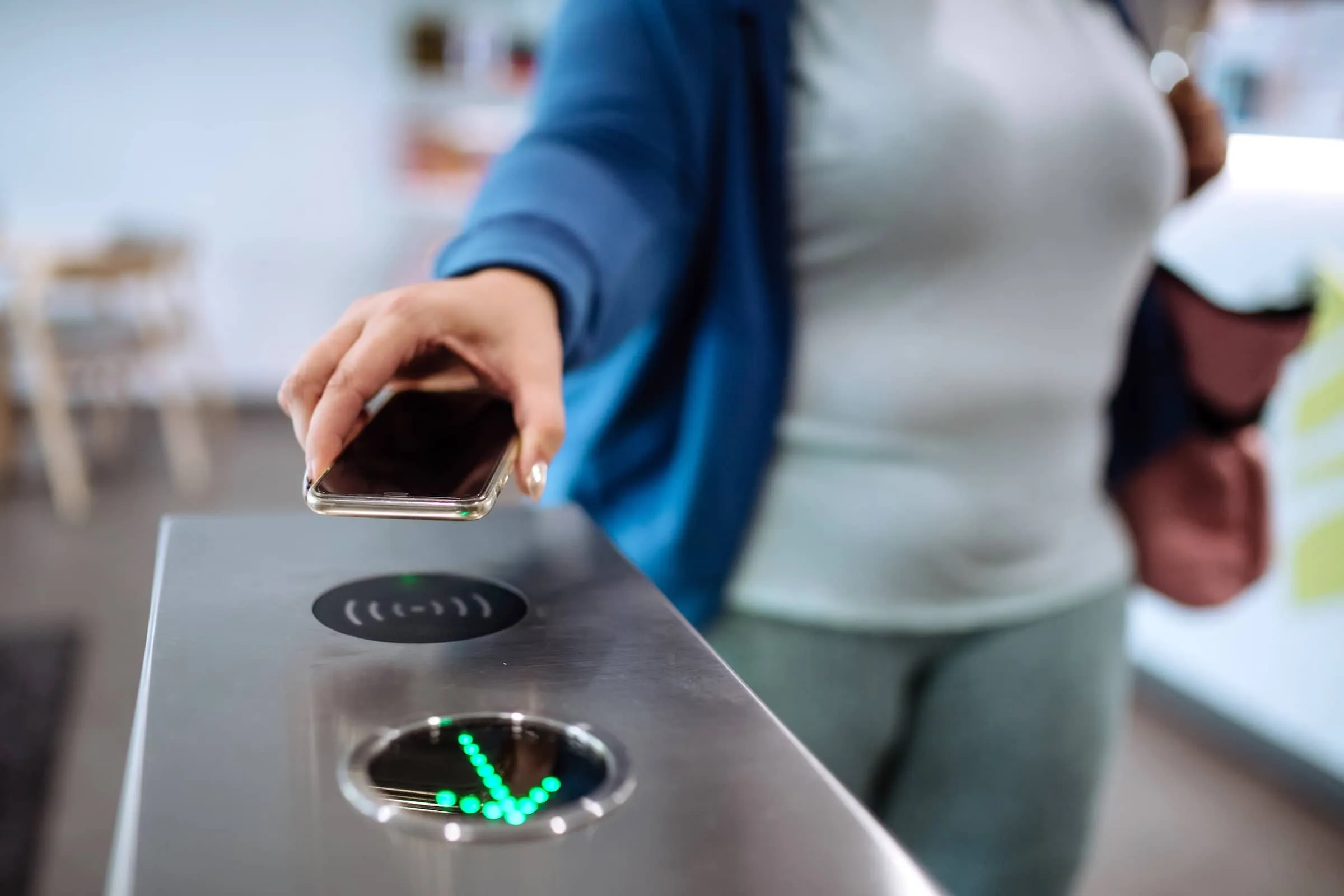
Access control can include keycards, mobile entry, PIN codes, turnstiles, biometric systems or staffed check-in desks. The right option depends on the size and style of the gym.
A boutique studio may only need a controlled reception process. A large 24-hour gym needs something more robust.
The common problem is tailgating. One person scans in, another slips through behind them, and suddenly nobody knows who is in the building. That is a risk for staff, members and insurance.
A visible front desk still has value. A good receptionist is not just there to smile and scan cards. They notice odd behaviour, unfamiliar faces and the person hovering around the entrance pretending to check an email from 2017.
Technology helps. Human awareness still matters.
Emergency Plans Should Be Rehearsed, Not Hidden
Every gym should have clear emergency protocols. Not vague plans. Not a dusty folder in the office. Actual procedures that staff understand.
That includes evacuation routes, fire procedures, medical response, aggressive behaviour, power failure, communication plans and incident reporting.
Drills are useful because panic has a nasty habit of making intelligent people behave like startled pheasants. Rehearsal gives staff a fighting chance of staying calm.
First aid stations and AEDs should be easy to find. Staff should know where they are and how to use them. Emergency numbers should be clearly displayed.
A member having a medical emergency on the gym floor is not the moment to start wondering who last saw the defibrillator.
Lighting: The Cheap Fix Too Many Gyms Ignore
Lighting is one of the simplest ways to improve gym safety.
Dark car parks, gloomy stairwells and poorly lit entrances make members feel uneasy. They also create blind spots for cameras and staff.
Bright, even lighting around entrances, exits, outdoor paths and parking areas can deter poor behaviour. Motion-activated lights are especially useful in less-used external spaces.
Inside the gym, good lighting helps cameras capture clearer footage and makes the whole facility feel more professional.
There is also a practical training benefit. Nobody wants to use a cable machine in lighting that feels borrowed from a police interview room.
Members Need To Be Part Of The Safety Culture
A gym’s security system is stronger when members understand their role.
That does not mean alarming people with constant warnings. It means gentle, regular reminders: do not let strangers follow you through access points, report suspicious behaviour, secure valuables, tell staff if something feels wrong.
This can be done through signs, onboarding emails, member newsletters, app notifications or short announcements.
The language should be calm. A gym should not feel paranoid. It should feel switched on.
When members take shared responsibility, the whole environment becomes safer without feeling heavy-handed.
The Real Test: Does Security Feel Seamless?
The best gym security does not stomp around demanding attention. It sits in the background, doing its job.
Members notice good lighting. They notice friendly staff. They notice smooth entry. They notice when a facility feels organised.
They may not notice the surveillance strategy, AI screening setup or emergency response planning. That is fine. In many ways, that is the point.
A smart security system should make people feel protected without making the gym feel tense.
Is It Worth The Investment?
Yes, but only when the system matches the facility.
A small personal training studio does not need the same level of security as a large, 24-hour health club. A city-centre gym may have different risks from a rural leisure facility. A gym with late-night unmanned access needs tighter controls than one operating during staffed daytime hours.
The investment should be proportionate, practical and properly maintained.
There is no point installing expensive kit if nobody knows how to use it. Equally, there is no wisdom in saving money on security only to pay for it later through theft, reputational damage or member complaints.
Final Word
Gym safety is not separate from the member experience. It is part of it.
People want to train somewhere clean, welcoming and well run. They also want to know that someone has thought about what happens when things go wrong.
A strong security system gives members confidence, supports staff and protects the business. Done properly, it does not make the gym feel restricted. It makes it feel cared for.
And in a world where fitness clubs are competing on equipment, classes, design and atmosphere, that sense of safety may be one of the most underrated selling points of all.